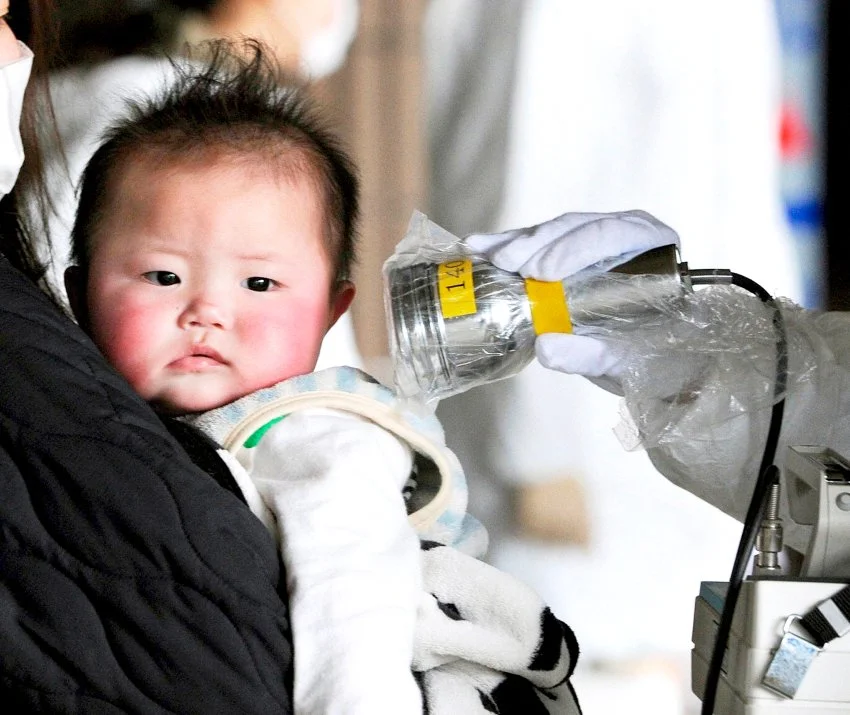
The Fukushima Daiichi nuclear disaster was an accident initiated primarily by the tsunami of the Tōhoku earthquake and tsunami on 11 March 2011.
Officials of the Tokyo Electric Power Company (TEPCO) said this Friday they detected 400,000 Becquerel per liter of beta ray-emitting radioactive substances - including strontium - at the site, a level 6,500 times higher than readings taken on Wednesday, NHK World reported.
Robert Jacobs, a professor at Hiroshima Peace University, said: “Nobody really knows how to solve the problems at Fukushima. There is nobody who has solutions. The problems at Fukushima are unprecedented, so even bringing in outside expertise, all that they can try to do is problem solve. There is no solution that other countries have that they can come in and fix the reactors, or rather, shut down the contamination, shut down the leaks."
We already know that thousands of tons of heavily contaminated water are pouring through the Fukushima site, carrying a devil’s brew of long-lived poisonous isotopes into the Pacific. Tuna irradiated with fallout traceable to Fukushima have already been caught off the coast of California.
Many of the 3,000 workers employed in the clean-up operations at the plant, are suffering from plummeting morale, health problems and anxiety about the future, according to insiders. But is any job worth these sorts of risks? Workers told they couldn't afford to be choosy about where they take jobs.
TEPCO said that 1 973 workers, including those employed by contractors and subcontractors, had estimated thyroid radiation doses in excess of 100 mSv, the level at which many physicians agree the risk of developing cancer begins to rise.
What about these workers not-yet-born children, what will they suffer from?