Fukushima

Fukushima as Post-Apocalyptic Wasteland by Richard

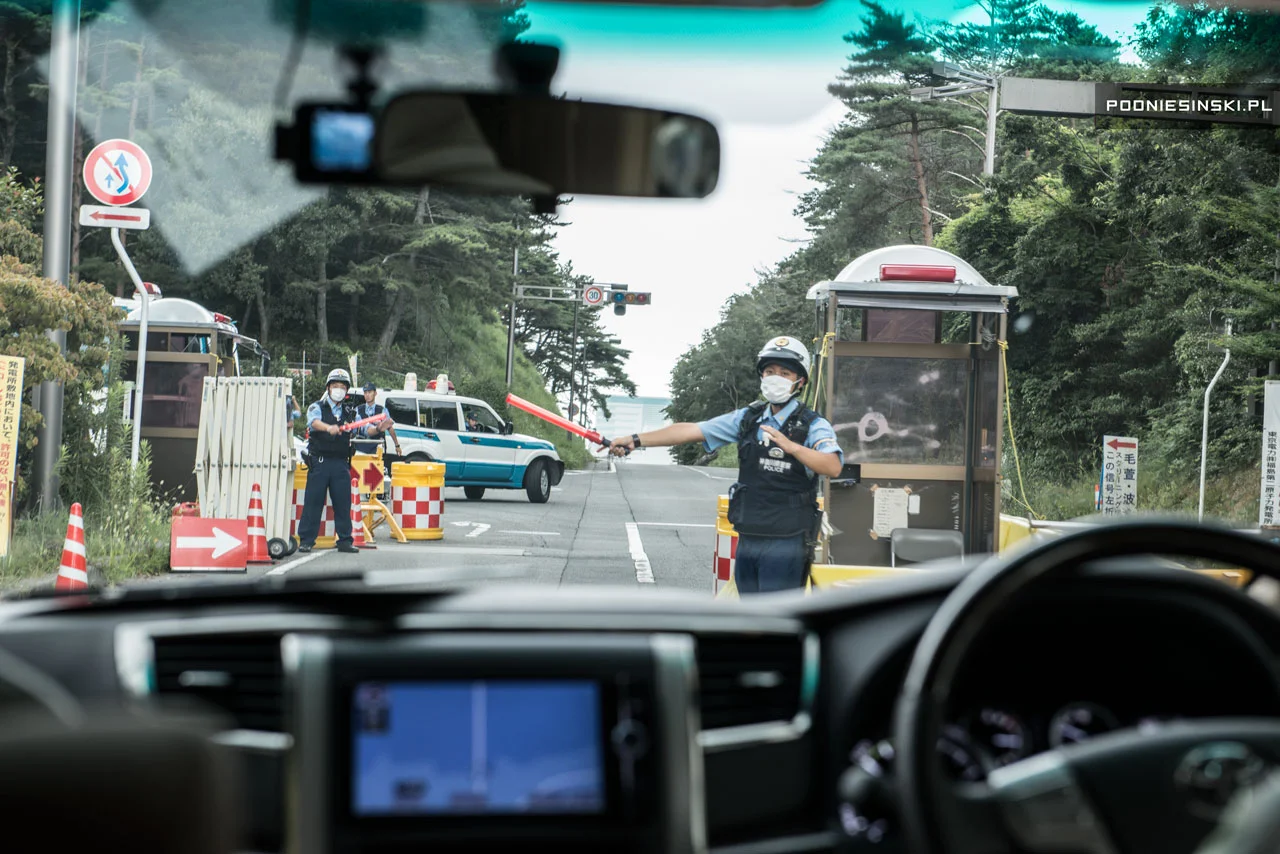
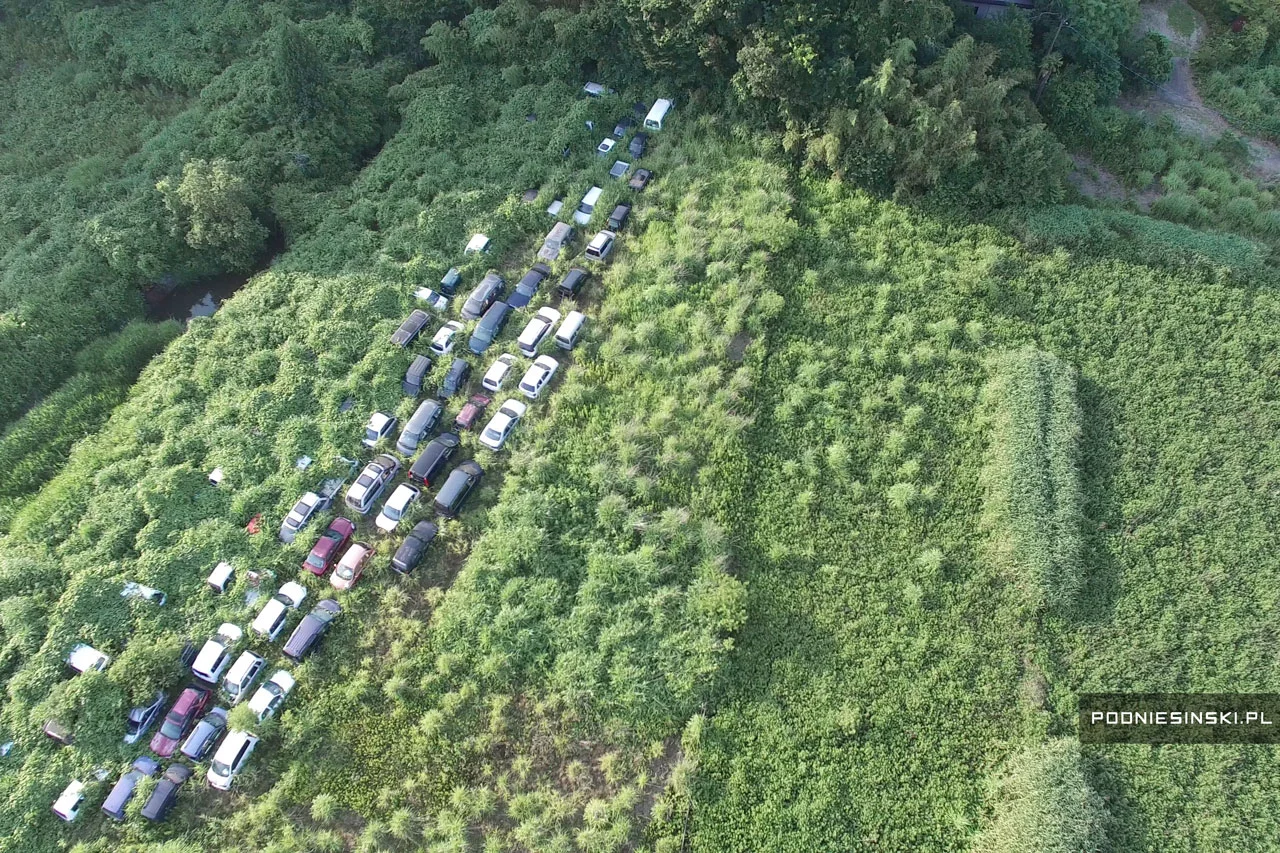
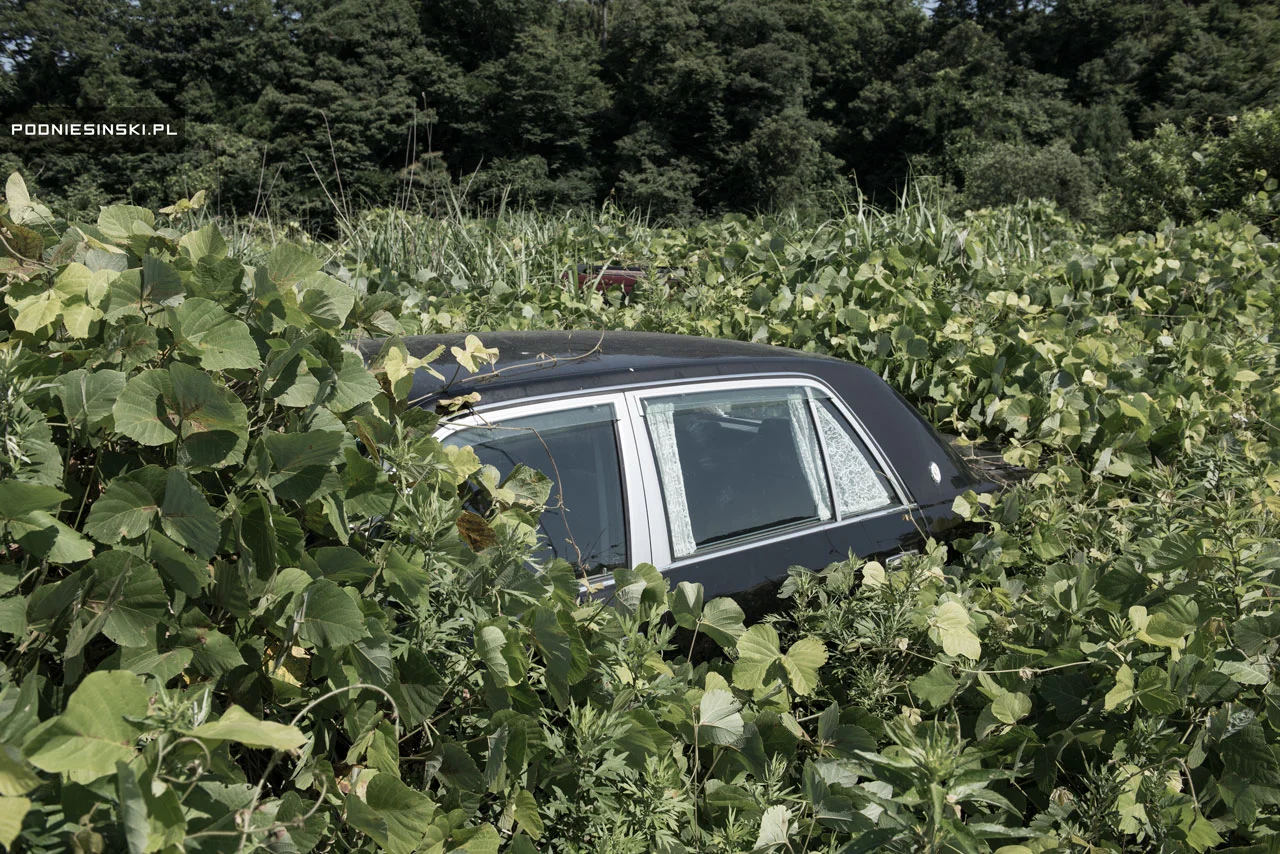
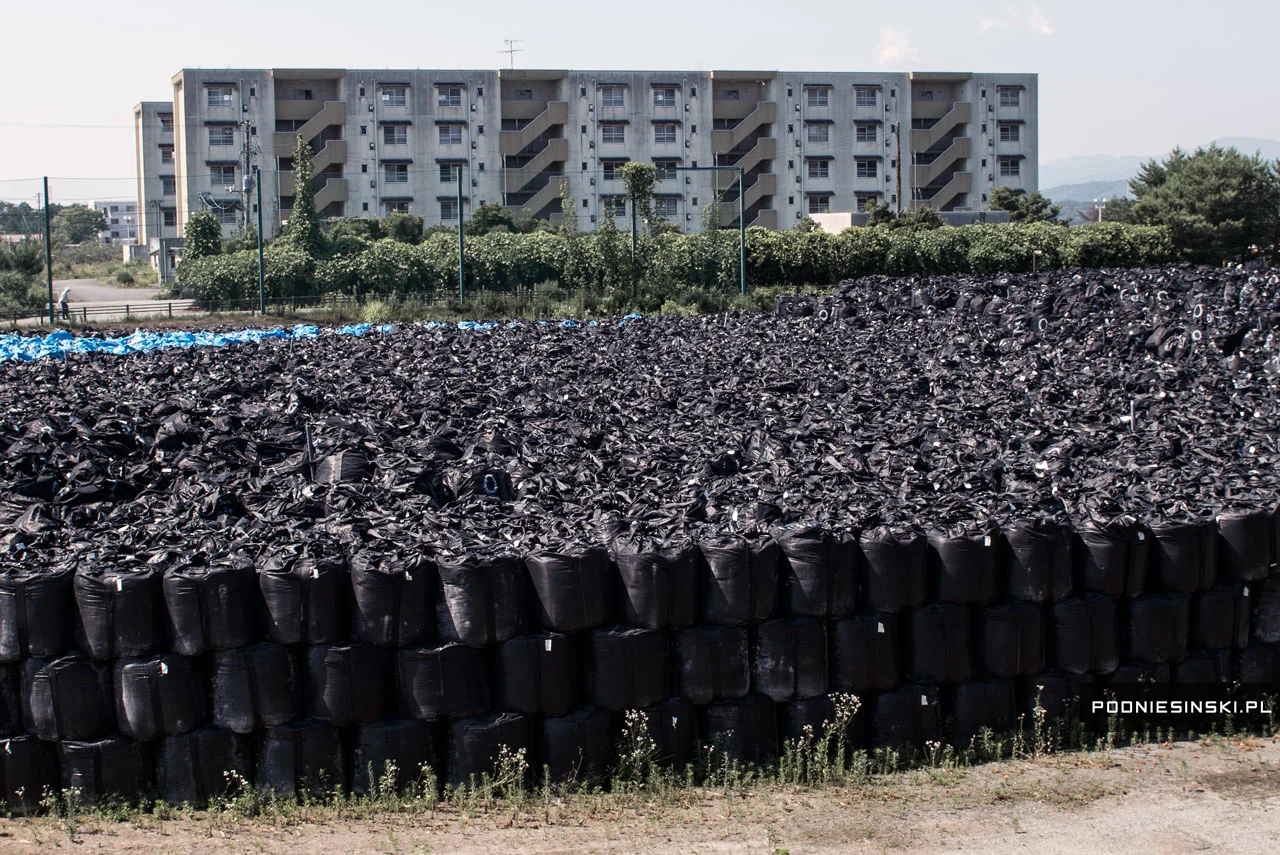
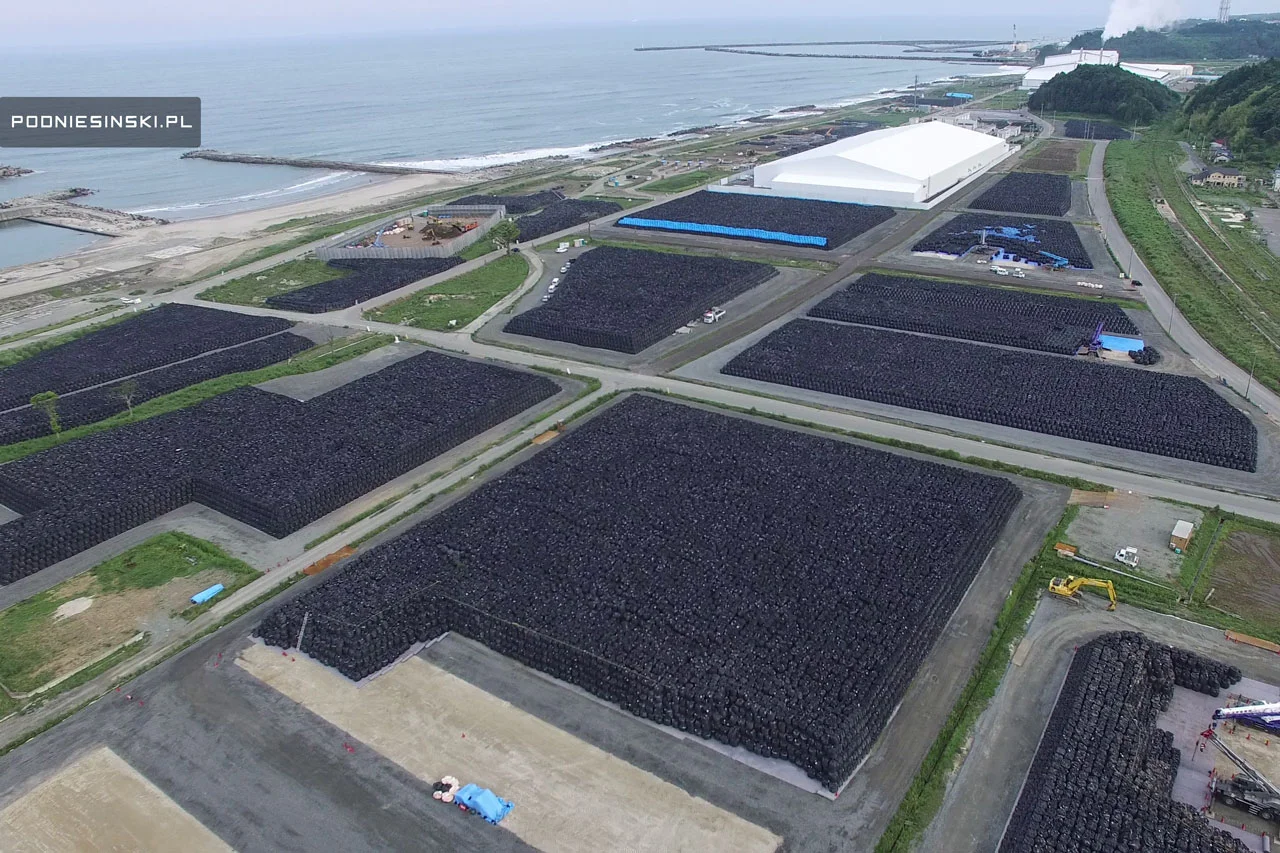
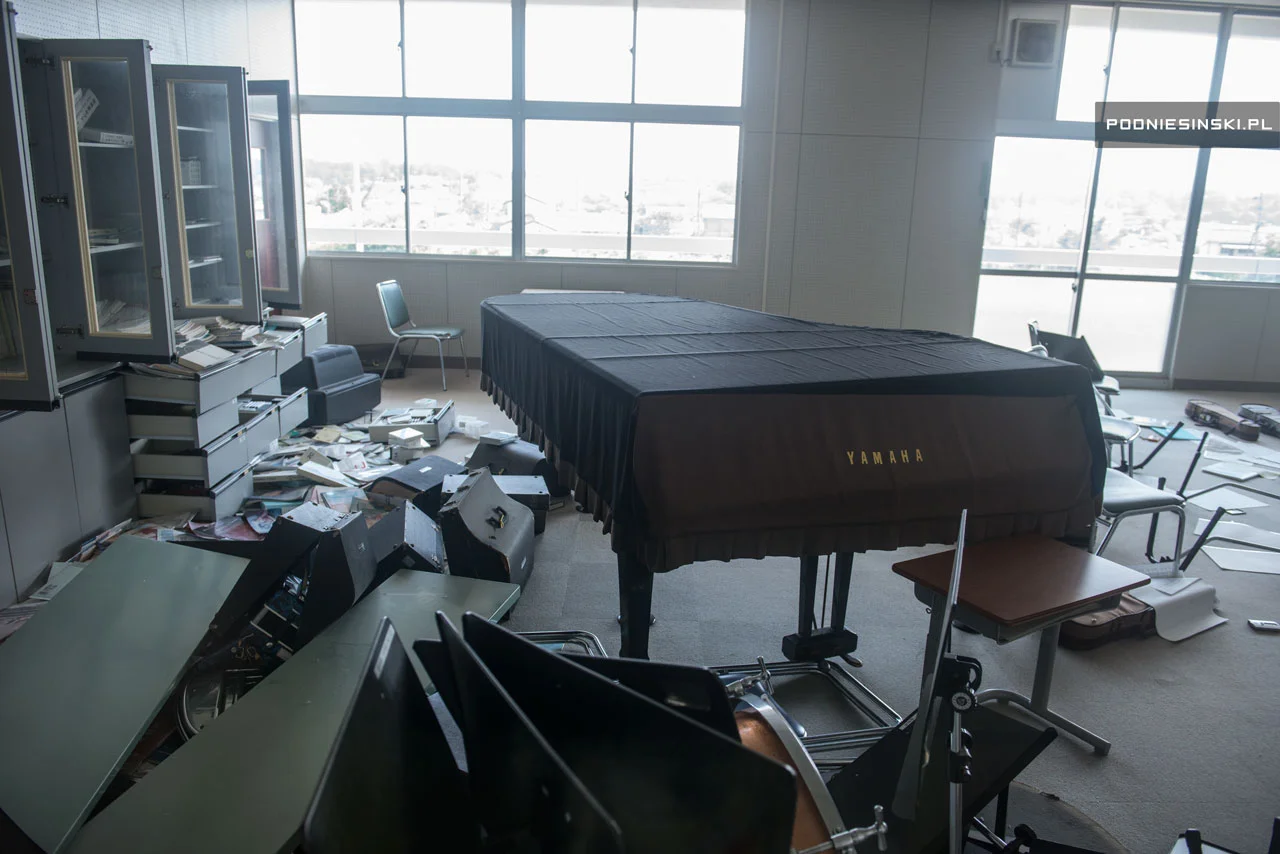
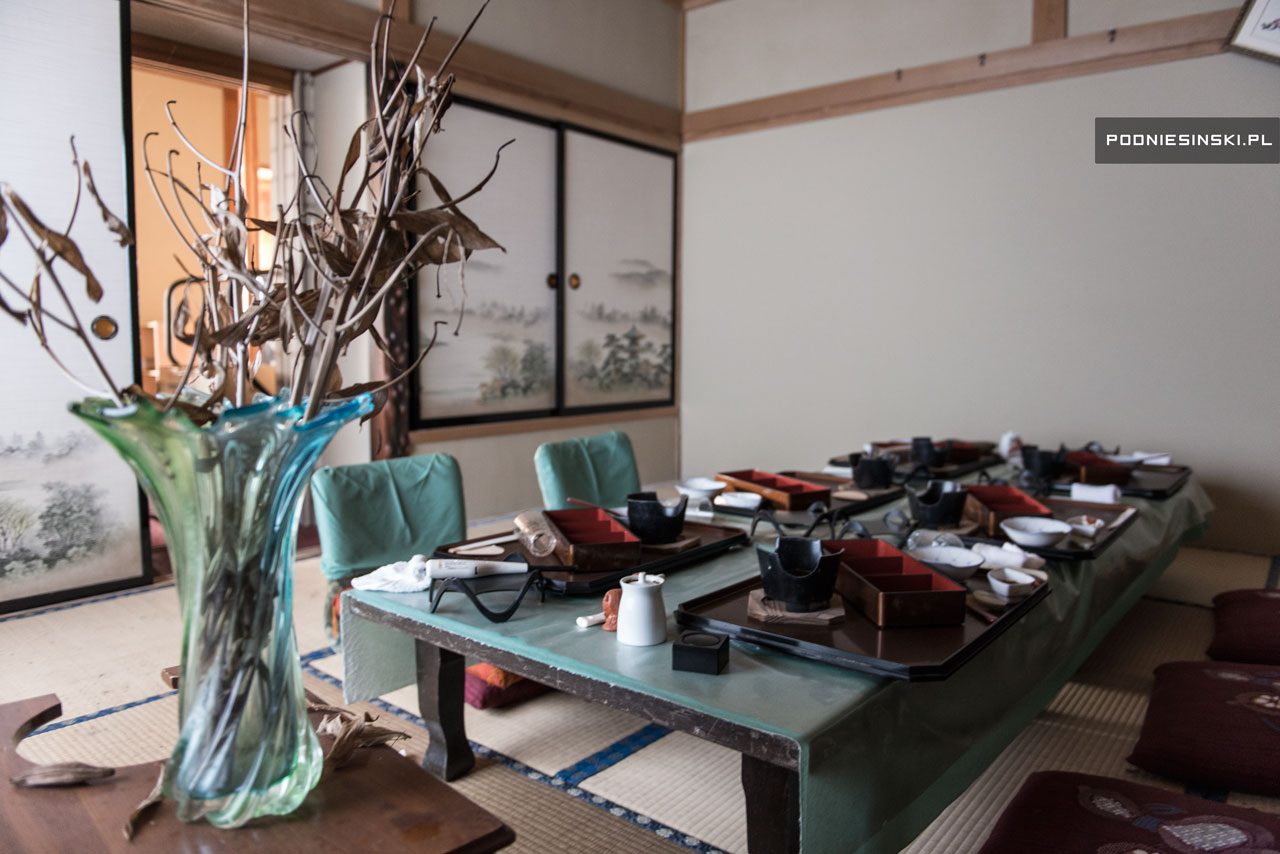
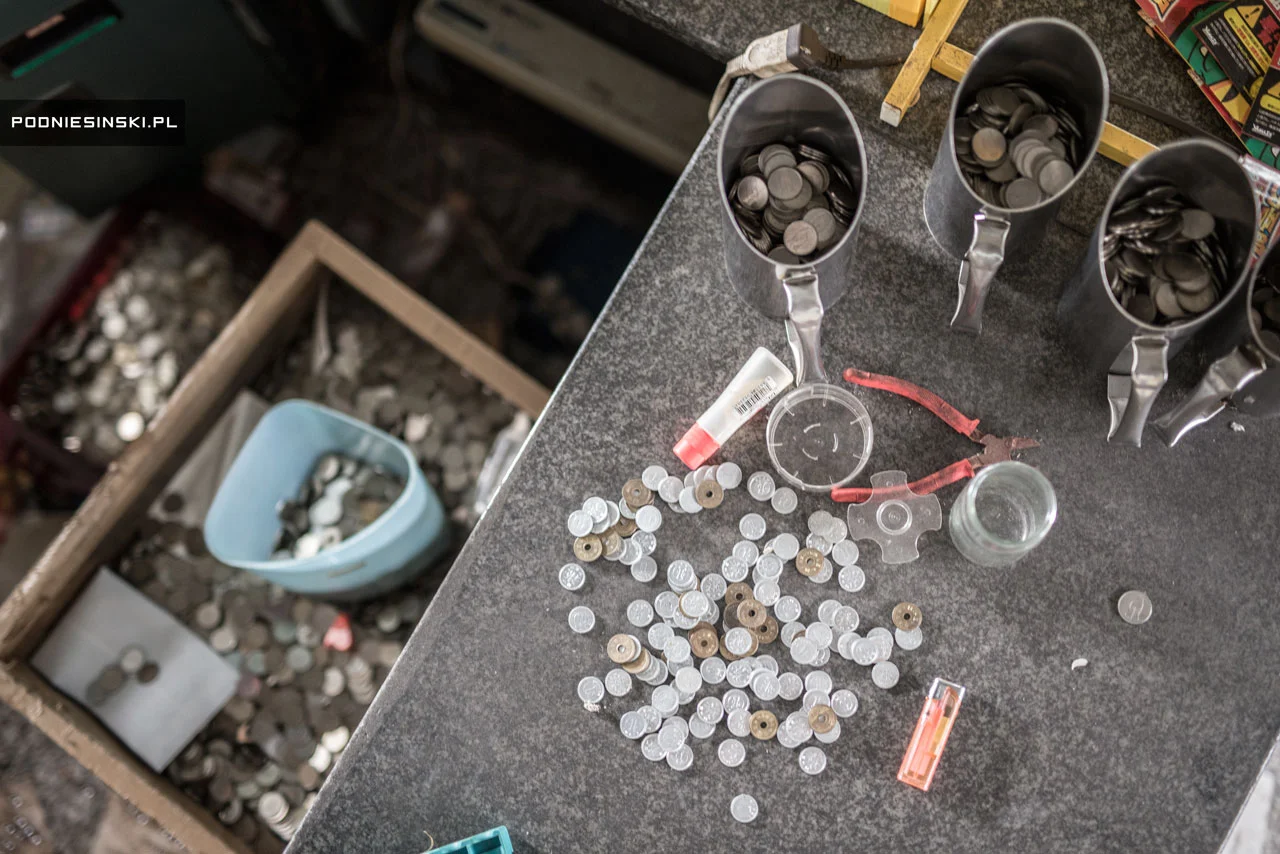
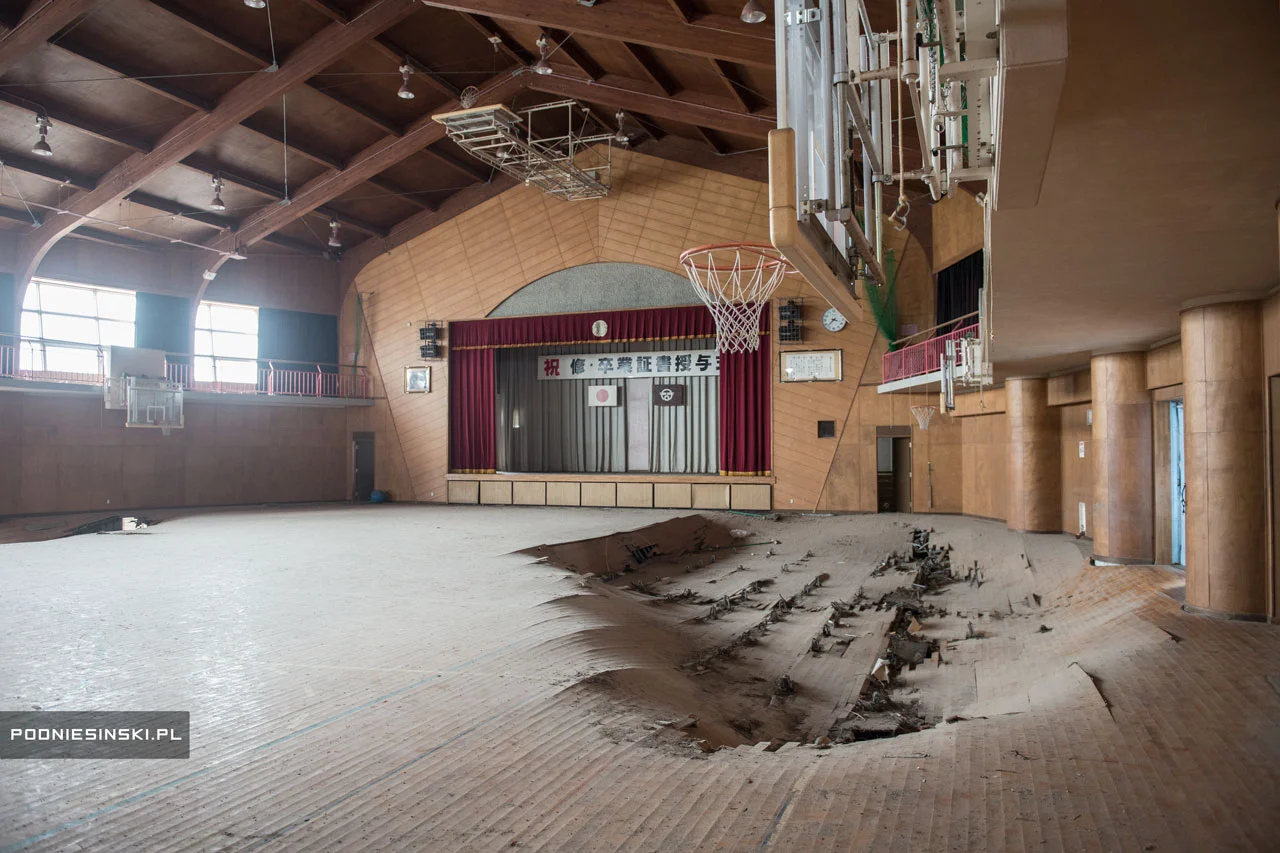
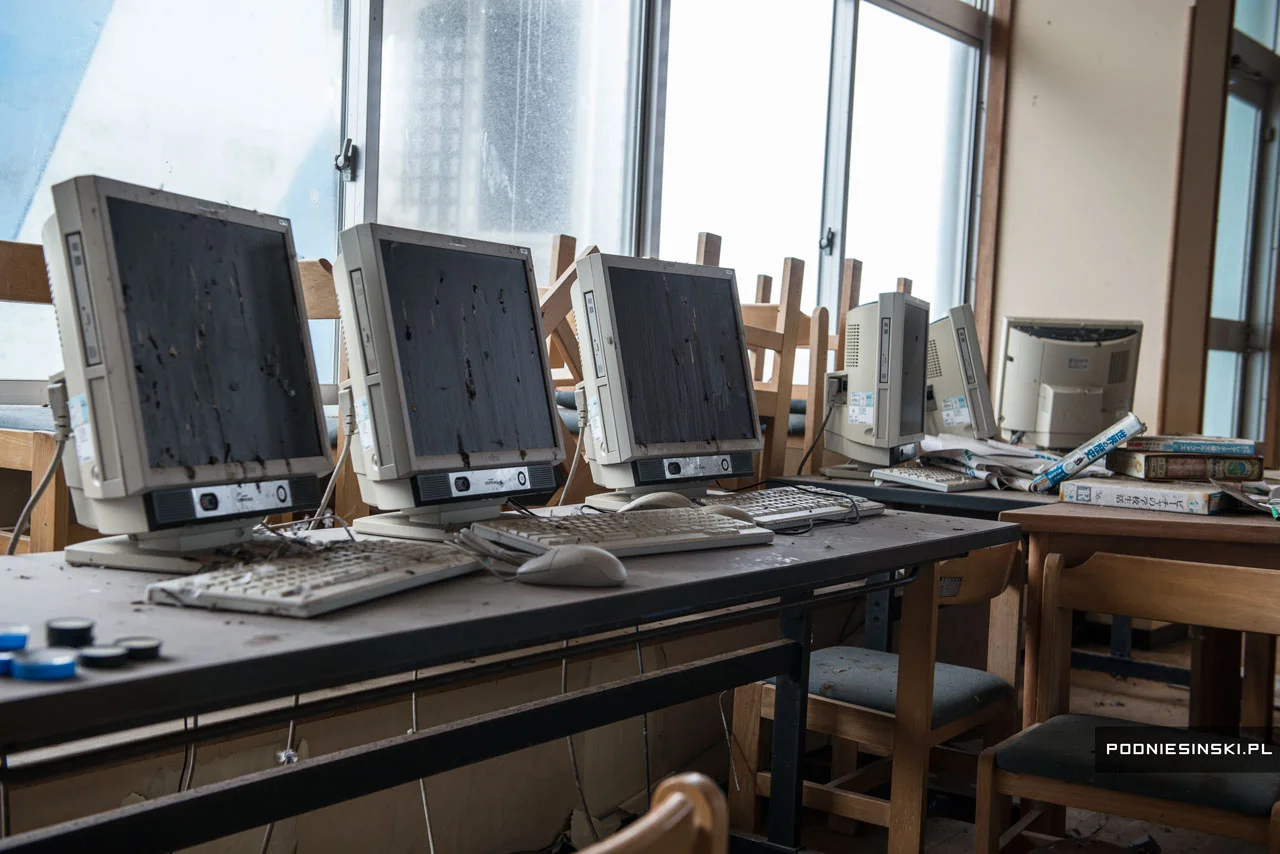
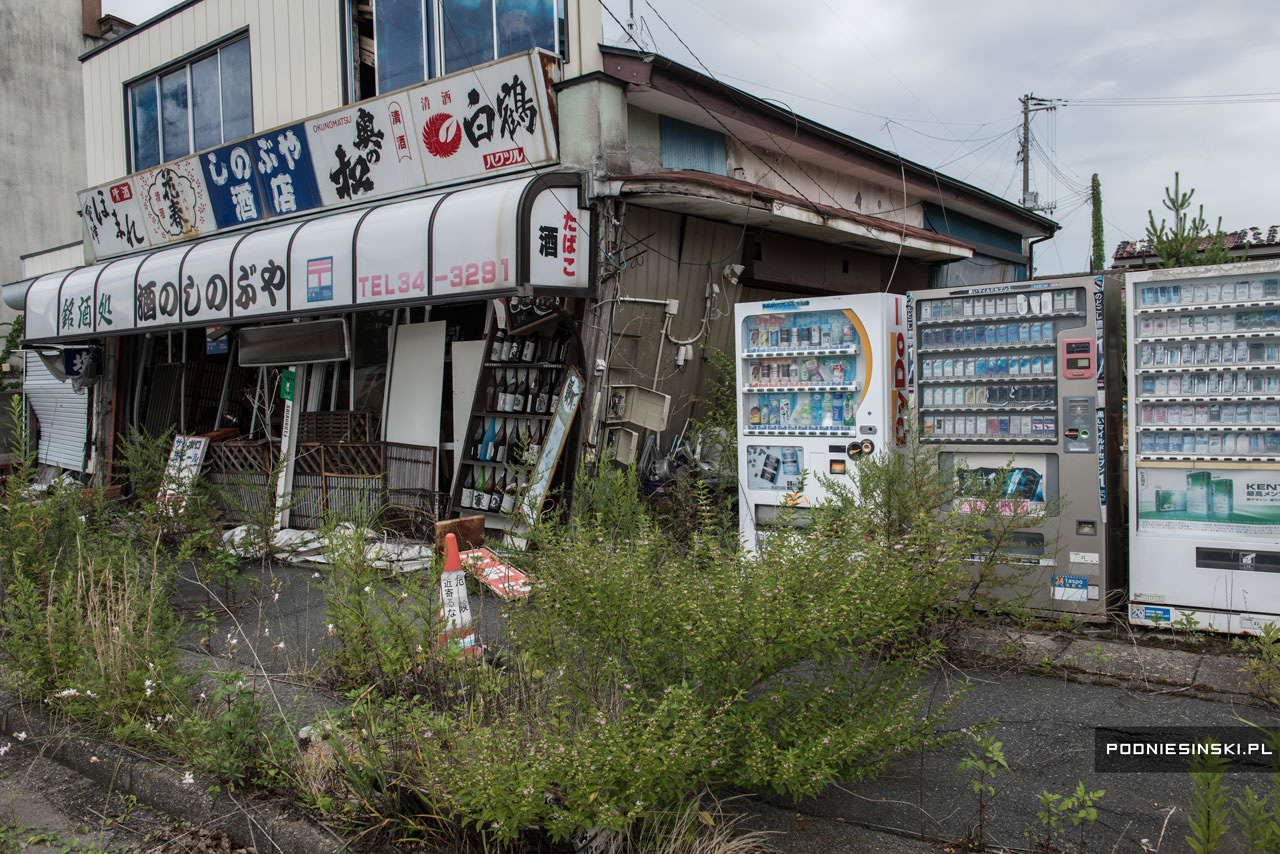
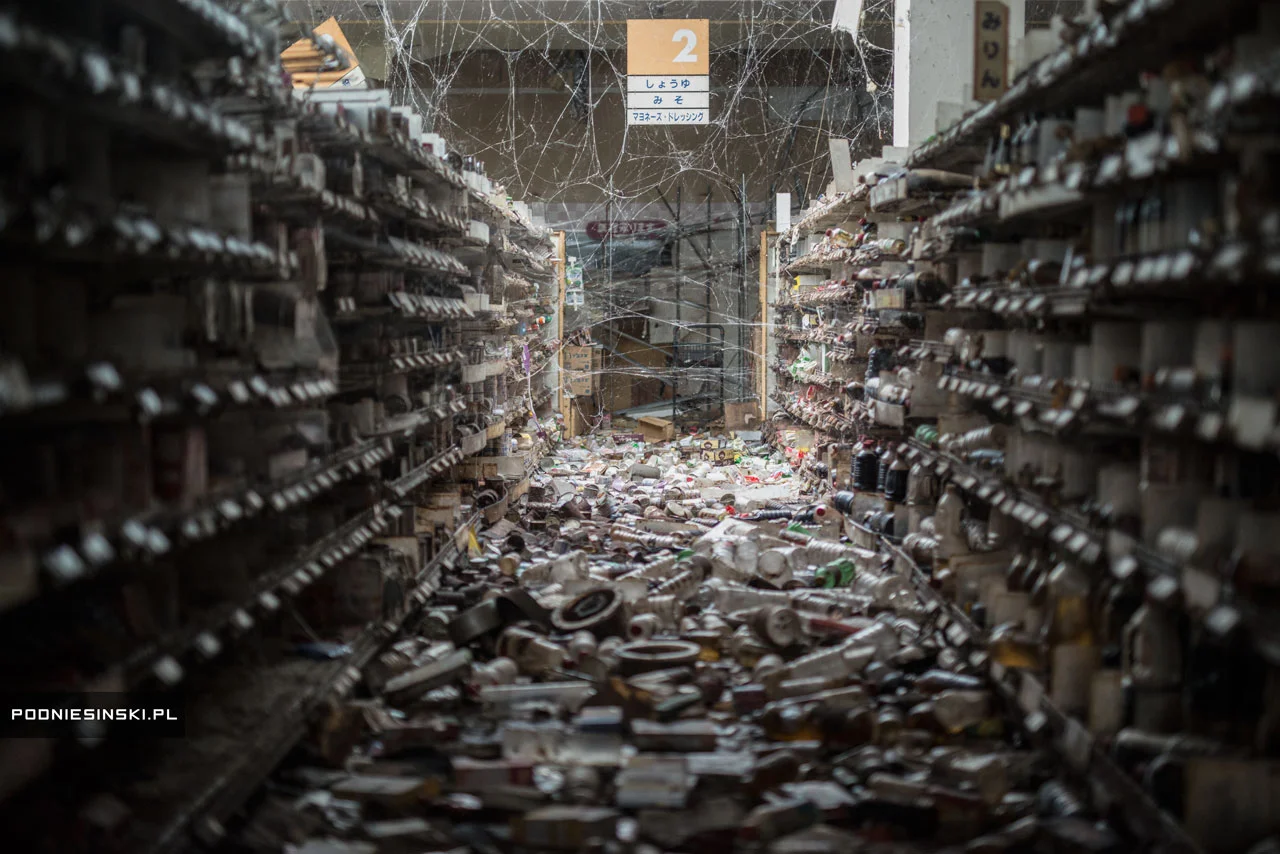
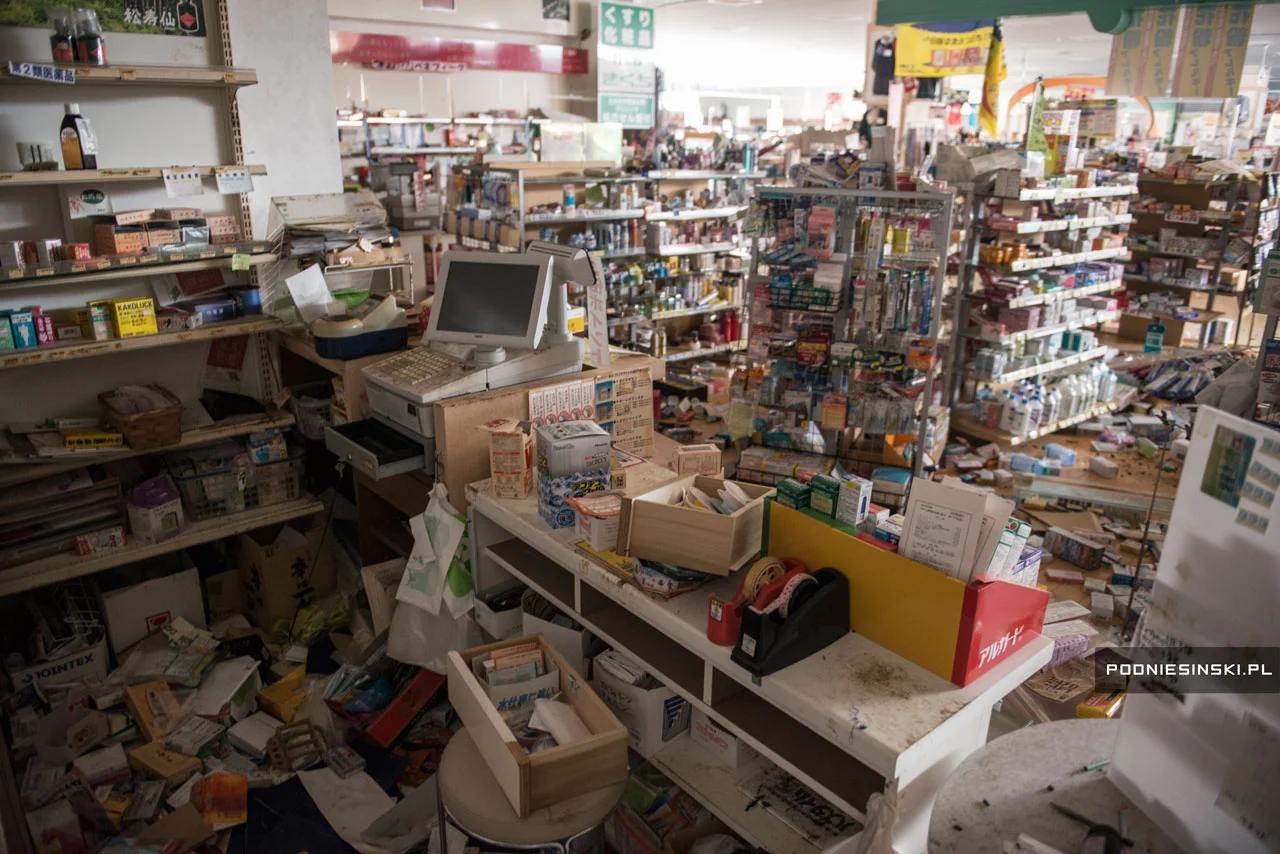
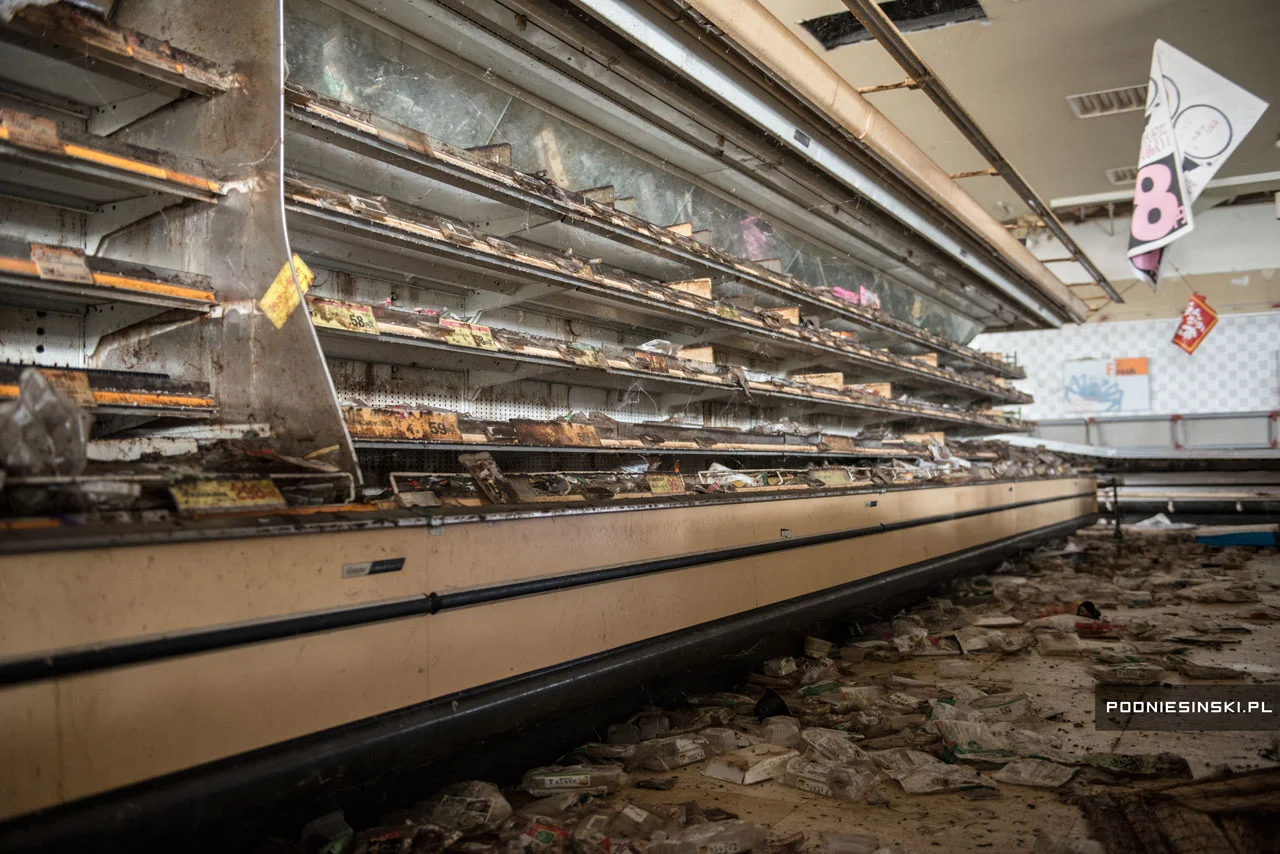
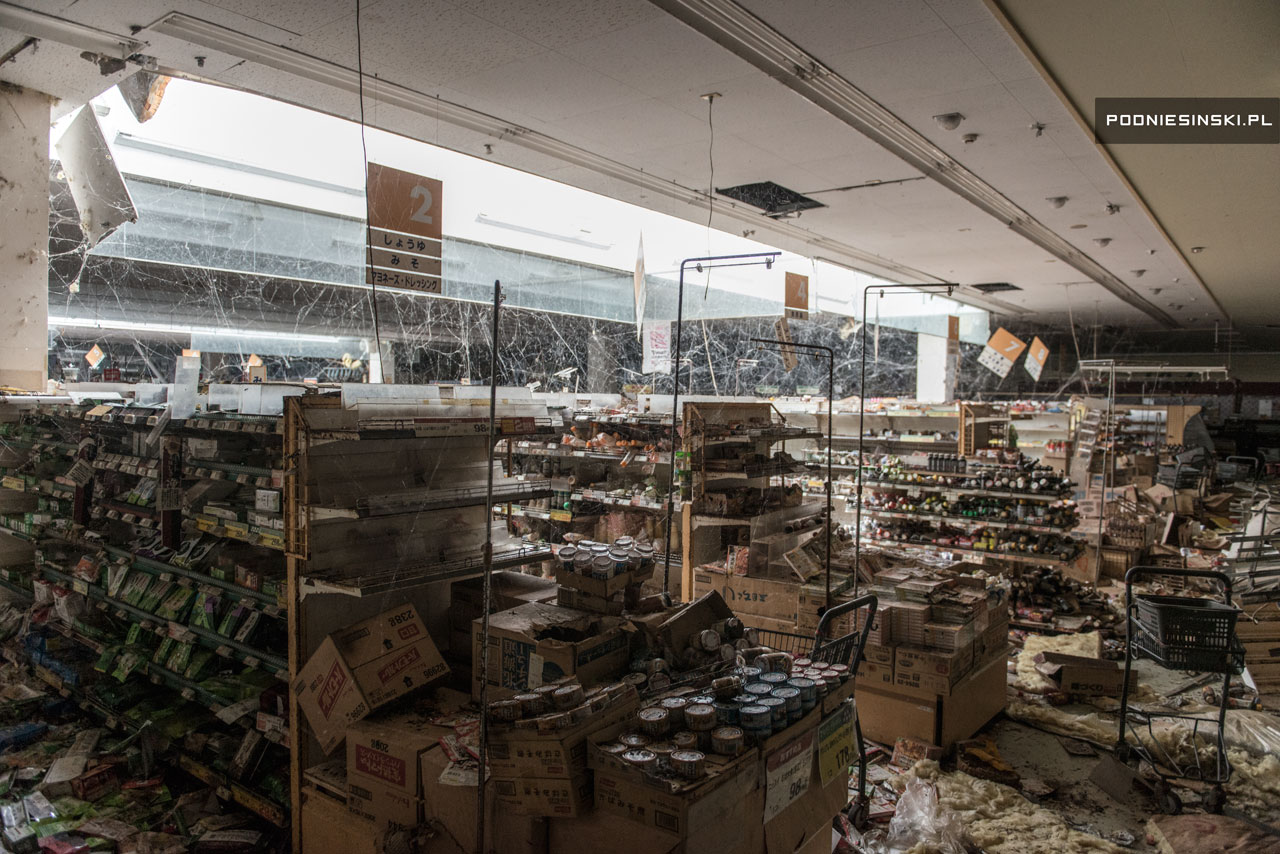
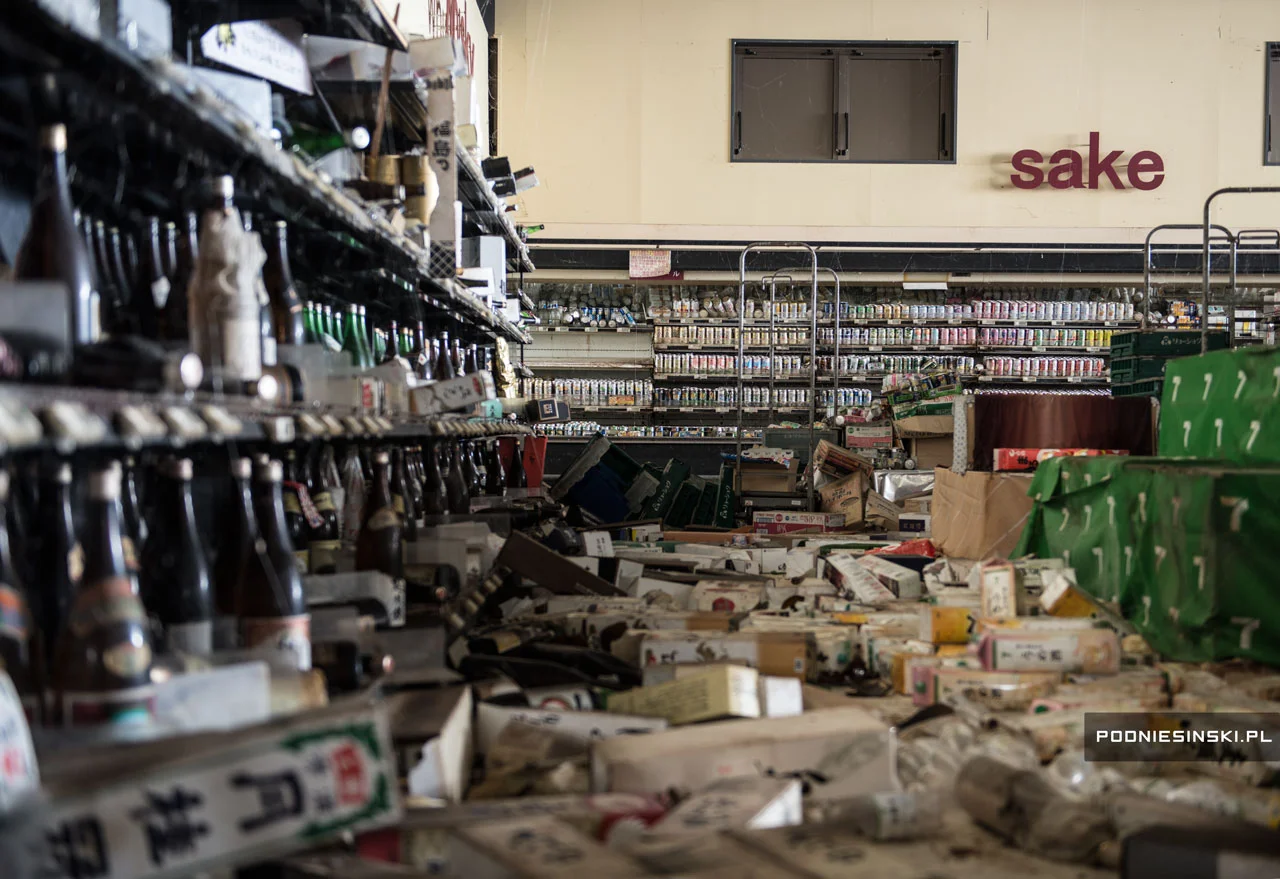
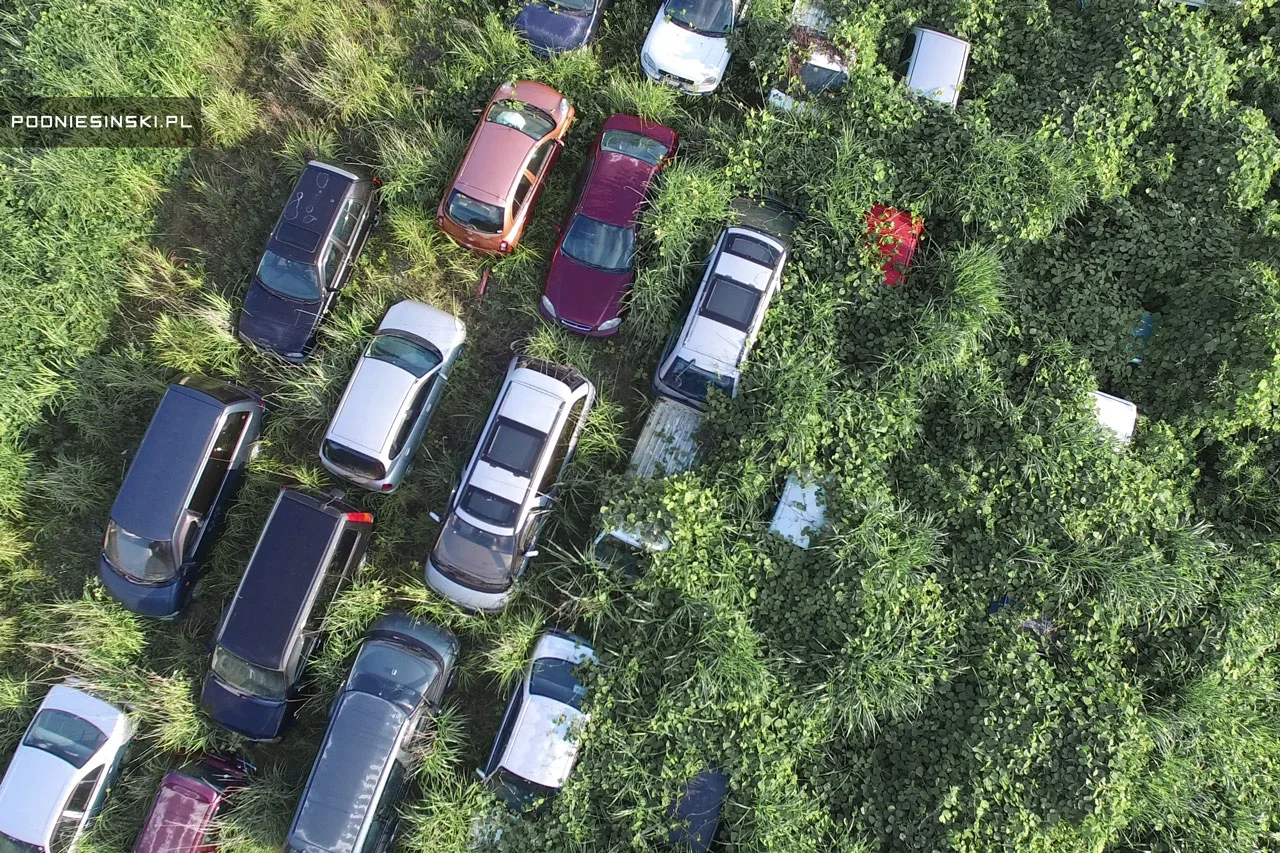
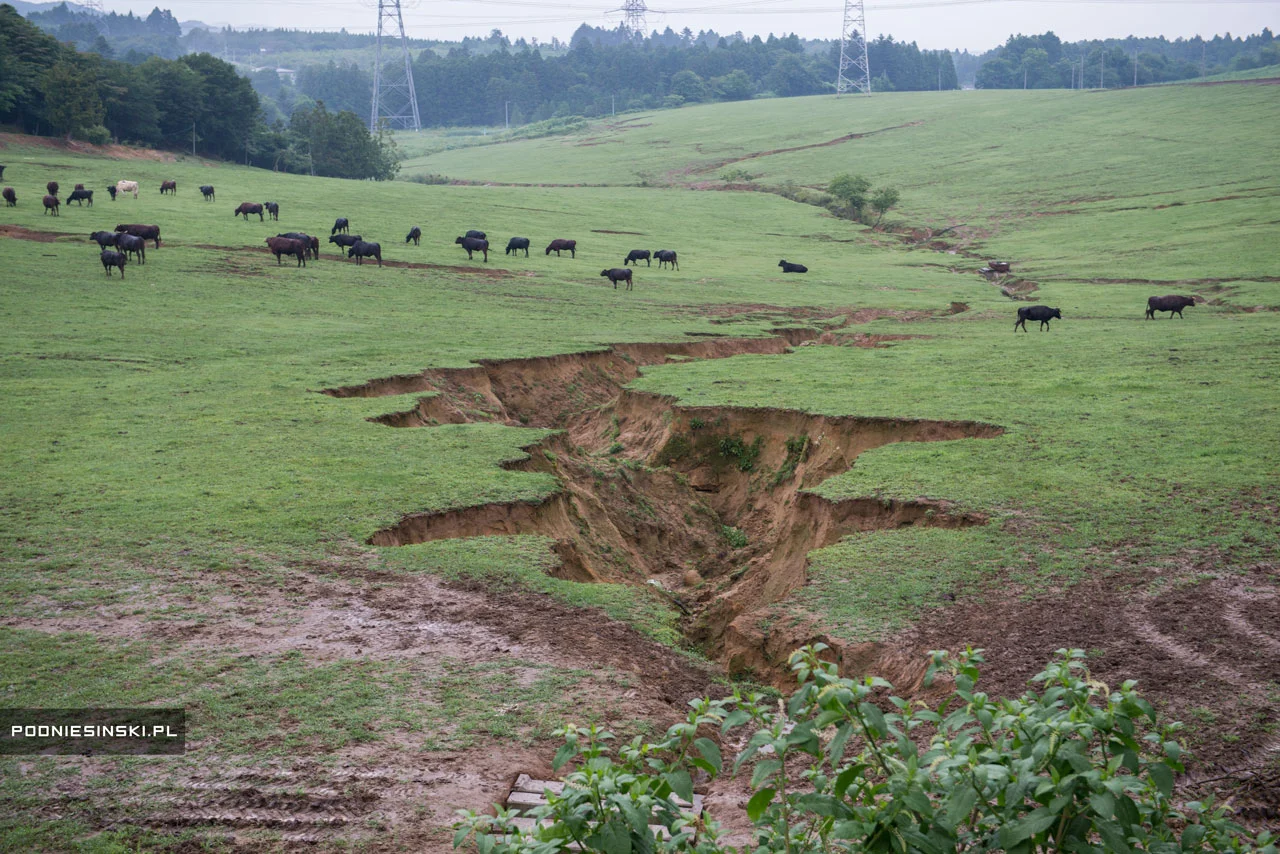
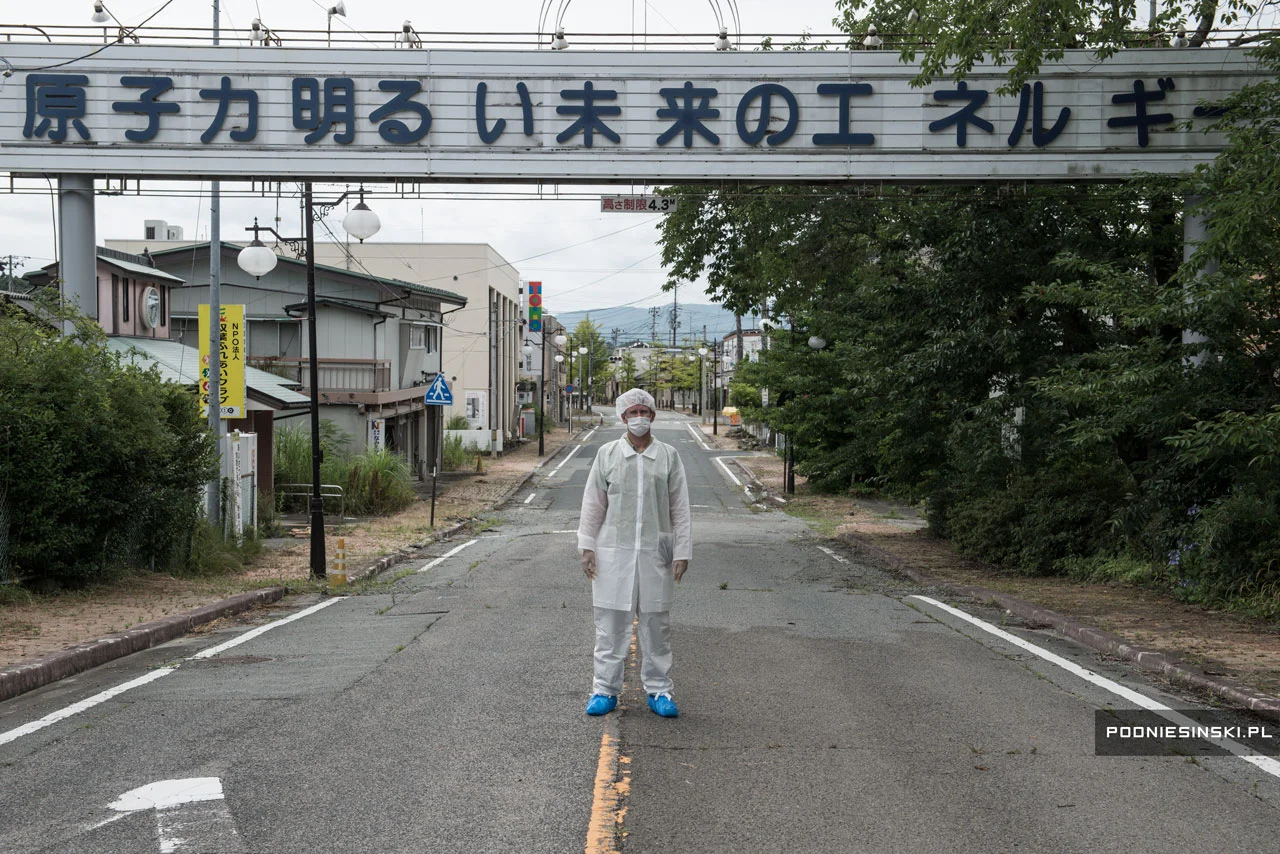
Seven years after visiting Chernobyl for the first time, photographer and filmmaker Arkadiusz Podniesiński went to Fukushima to see how the cleanup process was going and to see how it compared to Chernobyl.

“It is not earthquakes or tsunami that are to blame for the disaster at the Fukushima Daiichi nuclear power station, but humans,” he says. “The report produced by the Japanese parliamentary committee investigating the disaster leaves no doubt about this. The disaster could have been forseen and prevented. As in the Chernobyl case, it was a human, not technology, that was mainly responsible for the disaster.”

I came to Fukushima as a photographer and a filmmaker, trying above all to put together a story using pictures
— Arkadiusz Podniesiński

He did bring back amazing pictures reflecting the human disaster. Have we learnt anything since then?

Is the Pacific Ocean the greatest nuclear contamination ever? by Richard

France's nuclear monitor said that the amount of cesium 137 that leaked into the Pacific from the Fukushima Daiichi disaster was the greatest single nuclear contamination of the sea ever seen.

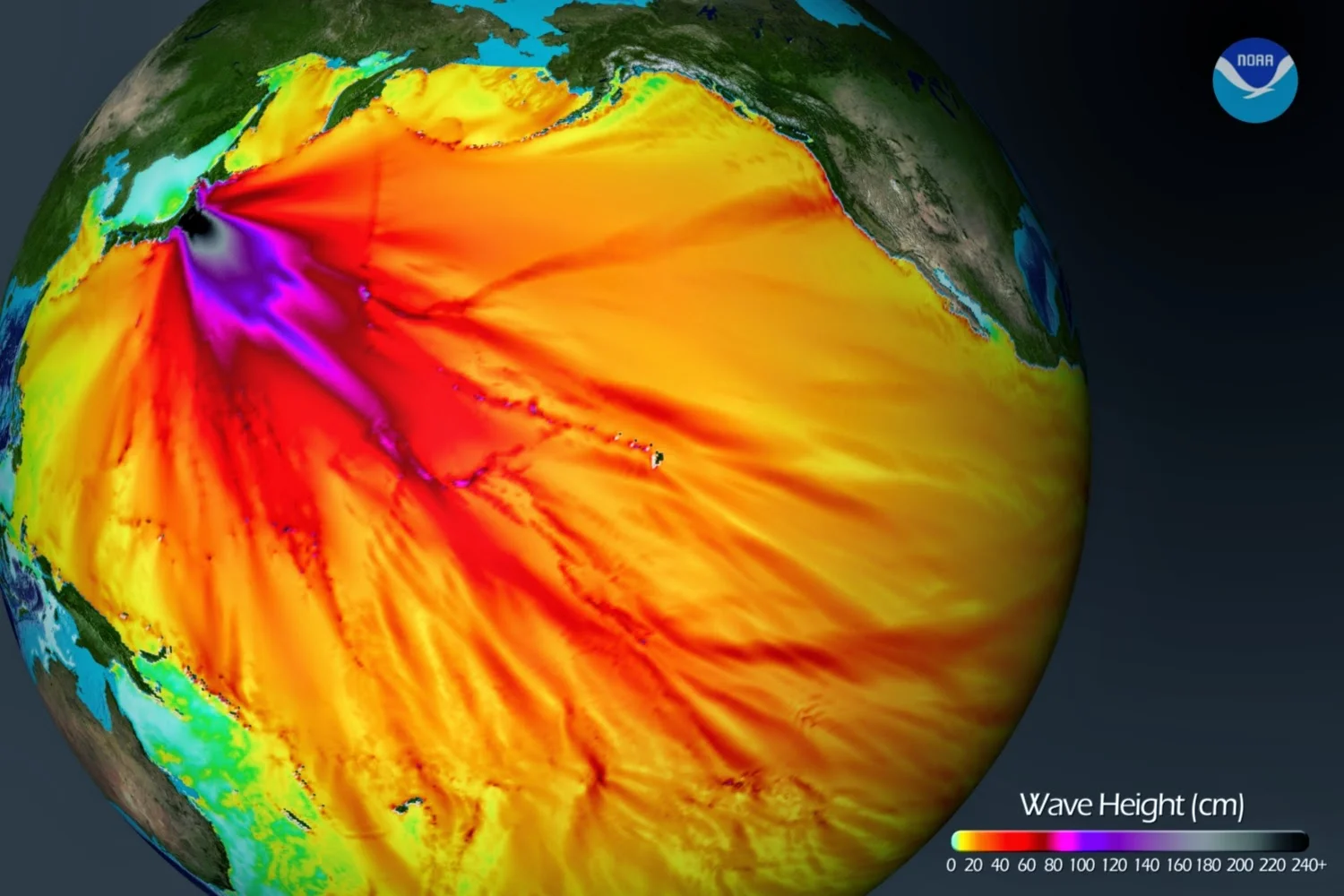
On March the 11th, 2014, an earthquake with a magnitude level of 9 hit Fukushima, Japan, and triggered a 15-meter high tsunami, which disabled the cooling and power supply of three reactors and eventually the nuclear accident. 16000 people died and many people got sick from radiation. The radiation however is not only affecting Japan:  Sea-water was and is still pumped into the reactors to keep them stable. According to the website livescience, 5000 to 15000 becquerels of radioactive material have reached the ocean and in 2013, due to a leak in a storage tank, 300 tons of contaminated water leaked out.

Recently traces of cesium-134 and cesium-137 turned up in samples collected near Vancouver Island in British Columbia. The samples collected were separate from the monitoring project set up by IAEA but it is thought the only possible source of these radioactive elements is Fukushima!

But in the same time we have the Runit Dome in the Marshall Islands, a hulking legacy of years of US nuclear testing. Now locals and scientists are warning that rising sea levels caused by climate change could cause 73,000 cubic meters of debris to spill into the ocean, including Plutonium-239, the fissile isotope used in nuclear warheads, which has a half-life of 24,000 years.

Runit (or Cactus) dome was used for Cold War nuclear testing by the US government for 10 years from 1948. There were 42 tests in total on Enewetak Atoll, including 22 explosions on platforms, barges and underwater in the space of just three months in 1958.

Analysis of the results shows that the Pacific Bluefin Tuna will experience a steeper population decline in the short term compared to its expected population decline. Same for the Pacific Pink Salmon, radioactive effluent will result in a marked and lasting decrease in population.

We cannot change what has happened, but we can do the best thing we can to better the situation and to prevent it from happening again. The nuclear crisis continues out in the Pacific.

Here you can reed more from official and private sources:

Global Research

World Nuclear Associatio

Fukushima Update

Woods Hole Oceanographic Institution

All the dead are not yet born by Richard

The Fukushima Daiichi nuclear disaster was an accident initiated primarily by the tsunami of the Tōhoku earthquake and tsunami on 11 March 2011.

Officials of the Tokyo Electric Power Company (TEPCO) said this Friday they detected 400,000 Becquerel per liter of beta ray-emitting radioactive substances - including strontium - at the site, a level 6,500 times higher than readings taken on Wednesday, NHK World reported.

Robert Jacobs, a professor at Hiroshima Peace University, said: “Nobody really knows how to solve the problems at Fukushima. There is nobody who has solutions. The problems at Fukushima are unprecedented, so even bringing in outside expertise, all that they can try to do is problem solve. There is no solution that other countries have that they can come in and fix the reactors, or rather, shut down the contamination, shut down the leaks."

We already know that thousands of tons of heavily contaminated water are pouring through the Fukushima site, carrying a devil’s brew of long-lived poisonous isotopes into the Pacific. Tuna irradiated with fallout traceable to Fukushima have already been caught off the coast of California.

Many of the 3,000 workers employed in the clean-up operations at the plant, are suffering from plummeting morale, health problems and anxiety about the future, according to insiders. But is any job worth these sorts of risks? Workers told they couldn't afford to be choosy about where they take jobs.

TEPCO said that 1 973 workers, including those employed by contractors and subcontractors, had estimated thyroid radiation doses in excess of 100 mSv, the level at which many physicians agree the risk of developing cancer begins to rise.

What about these workers not-yet-born children, what will they suffer from?

japan.jpg