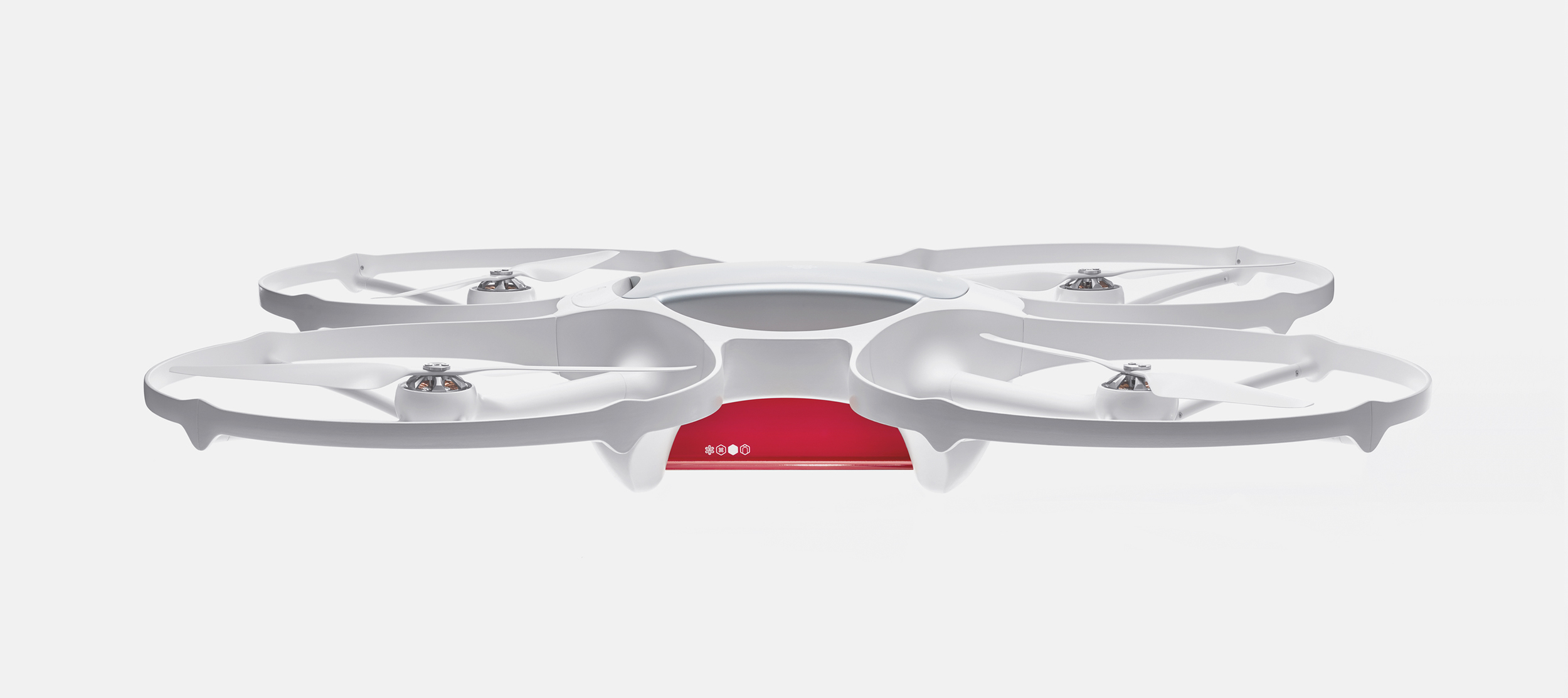
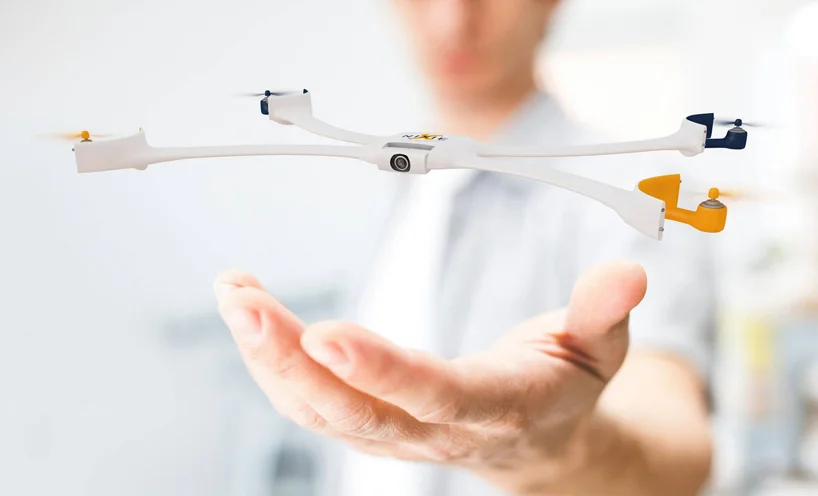
The Swiss postal service, Swiss Post, is going to attempt drone deliveries for the first time ever using Matternet, a company working on perfecting drone-based delivery systems. The first tests will happen in Switzerland this summer as proof of concept.

One billion people around the world live in areas lacking reliable road systems and that drones could provide a more reliable way to deliver critical supplies, like medicine.
Matternet’s cloud-based routing system does all the work for you. It guides the Matternet ONE along a secure route at low altitude – between 50-100 meters above ground – adjusting for inclement weather, avoiding tall buildings, mountains and restricted airspace.
The US Federal Aviation Administration's (FAA) draft rules for the use of drones in US airspace do not permit Amazon to launch its Amazon Air delivery service.
“We are committed to realising our vision... and are prepared to deploy where we have the regulatory support we need.”
The draft rules state that pilots must remain within eyesight of their unmanned craft, although it said it would consider factoring in a second line of sight in some cases. Pilots must also be FAA-certified to operate drones. Amazon said it remained "committed" to its plans for delivery via drone.
The firm had said last year that in terms of the technology required for Amazon Air, it was ready to launch as soon as regulations were in place. The draft rules will be open to public consultation and are unlikely to come into force for a couple of years. The Small UAV (Unmanned Aerial Vehicle) Coalition, of which Amazon is a member, said it "applauded" the proposed rules, launched yesterday by the FAA, but mentioned several caveats, including relaxing the rule about line of sight.
Meanwhile, a team at NASA led by Dr. Parimal Kopardekar is developing a drone traffic management program of its own to advise the FAA.