
Through a friend, I recently discovered Spirulina, originating from Central America and Africa and is one of the first photosynthetic organisms on earth.
Spirulina is known as a blue - green microalgae and live in both fresh water and sea. Spirulina is, however, a collective name for two species of cyanobacteria in the shape of spirals: Arthrospira platensis and Arthrospira maxima. They are called algae because they are aquatic organisms capable of photosynthesis.
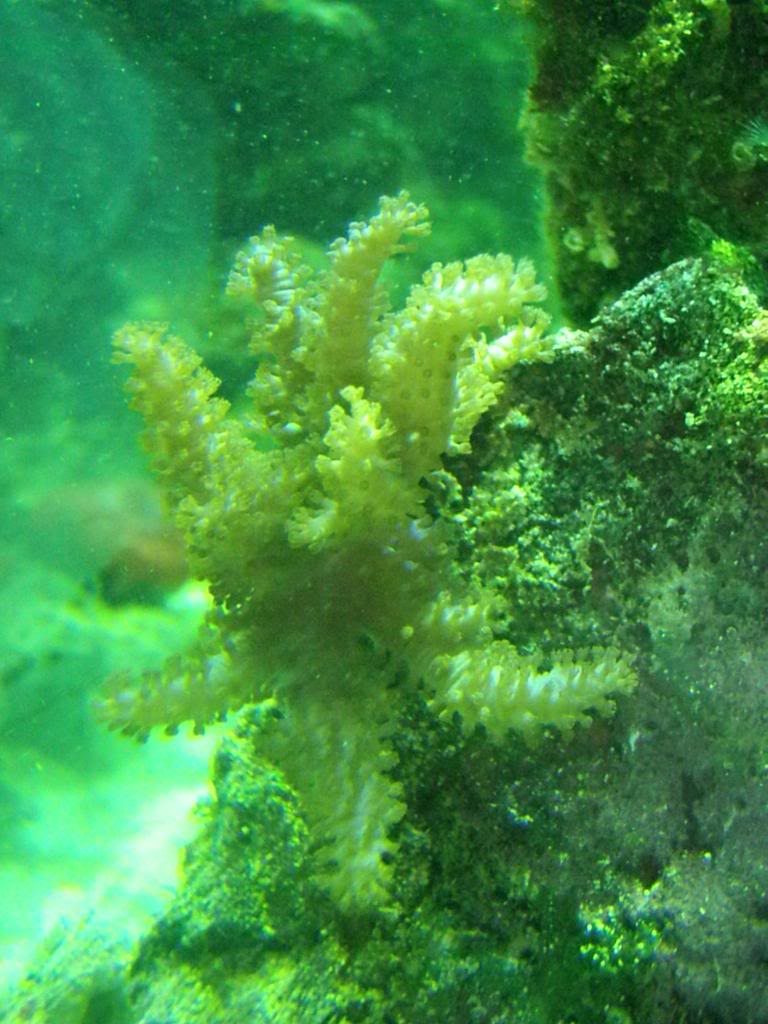
Spirulina was a food source for the Aztecs and other Mesoamericans until the 16th century and was first discovered by Hernando Cortez and his Spanish Conquistadors in 1519. Cortez observed that Spirulina was served and eaten at the tables of the Aztecs during his visit in Lake Texcoco.
The health benefits of Spirulina were first discovered by explorer Pierre Dangeard who observed that flamingos were able to survive by consuming these blue-green algae. Botanist Jean Leonard supported the findings of Dangeard and people soon started to commercialize Spirulina to reap its benefits.
Today, growing and growing Spirulina in large freshwater ponds under controlled conditions. Spirulina is one of the few algae that can grow in water with high PH value. There are over 50 different species and the most common variety is Spirulina platensis.
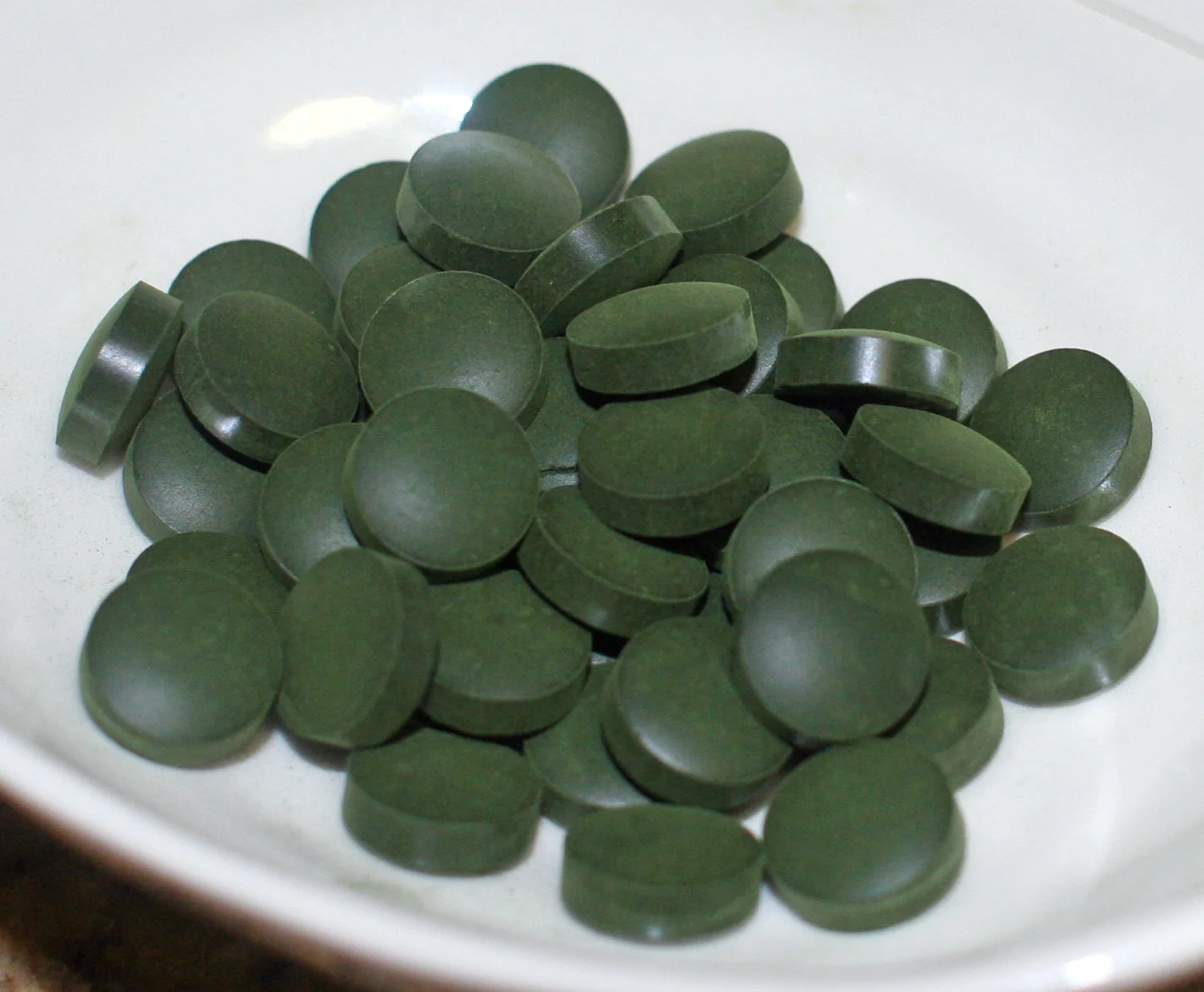
Spirulina contains proteins, vitamins, minerals, essential amino acids, non-essential amino acids, essential fatty acids, and chlorophyll. Spirulina contains many essential minerals such as Ca, Mg, Na, K, P, I, Se, Fe, Cu, Zn. Spirulina contains also a broad spectrum particularly of the vitamins, B1, B2, B5, B6, B11, B12, C, and E.
Today, many people puts Spirulina in their smoothies and cure most of their diseases, according to various blogs... however, I must say it’s an interesting, natural, proven, component to our nutrition.