Patrick Dillon built Salo to create an ecosystem and to undertake an investigation into the nature of tropical architecture.
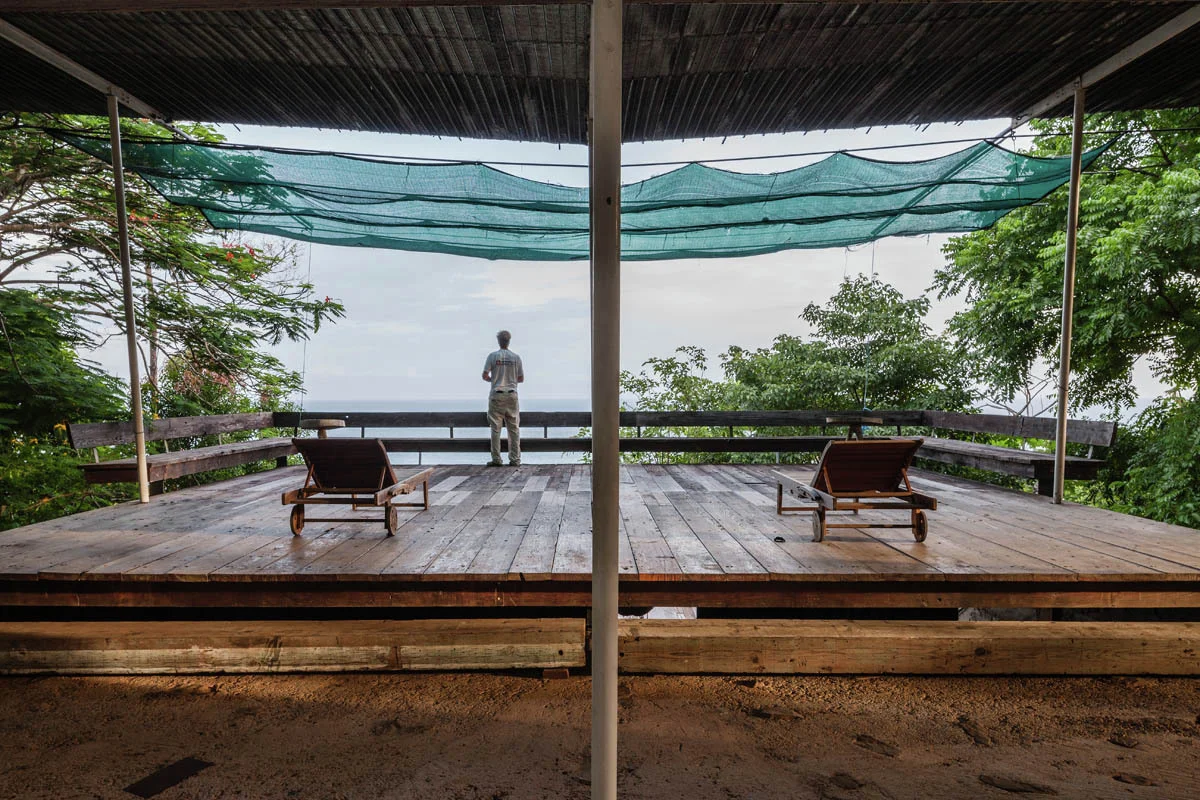
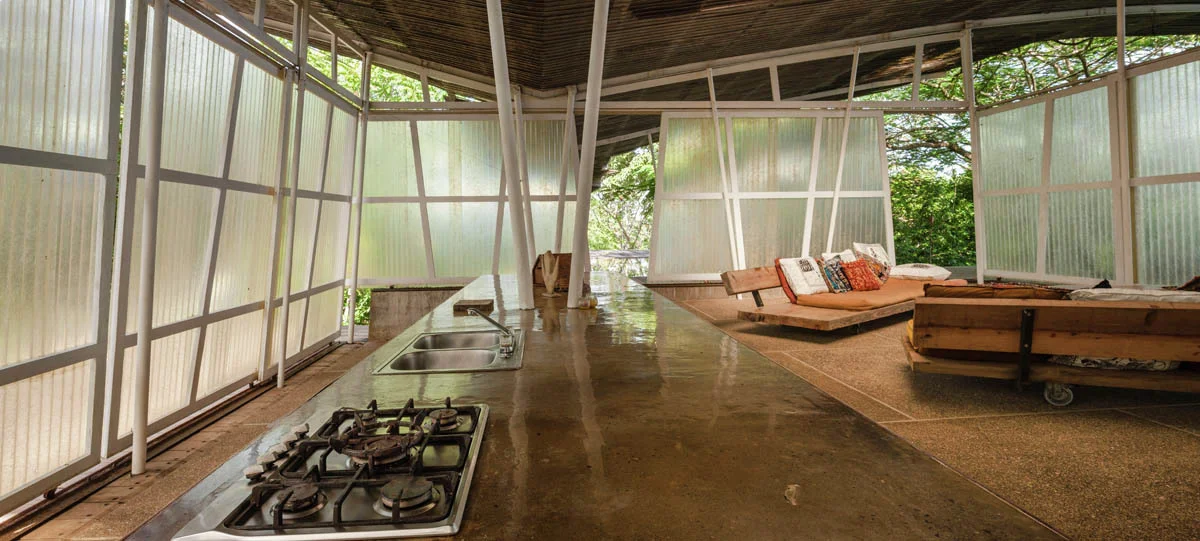
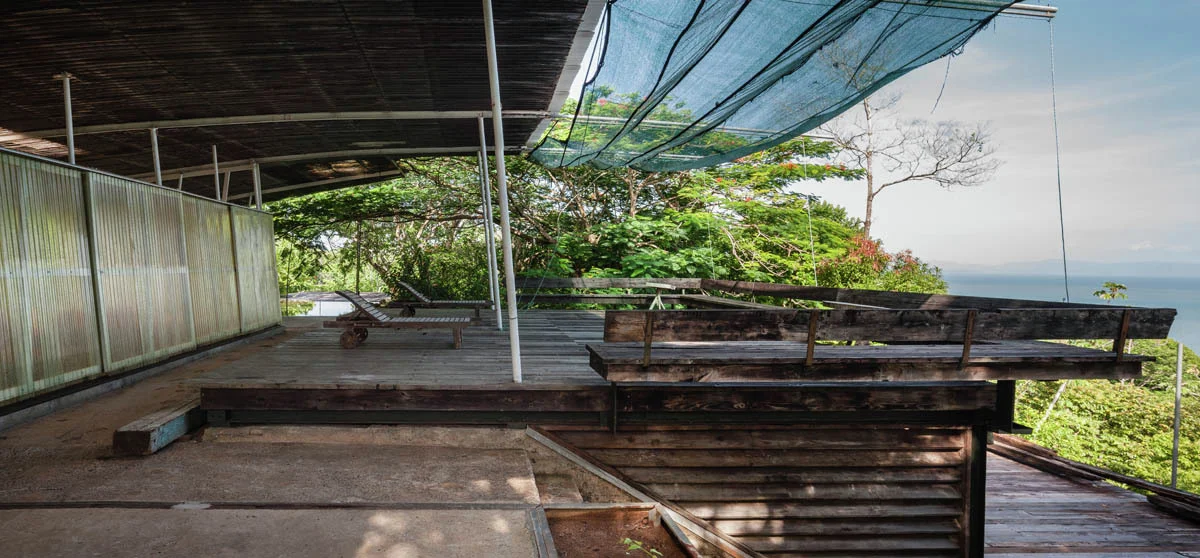
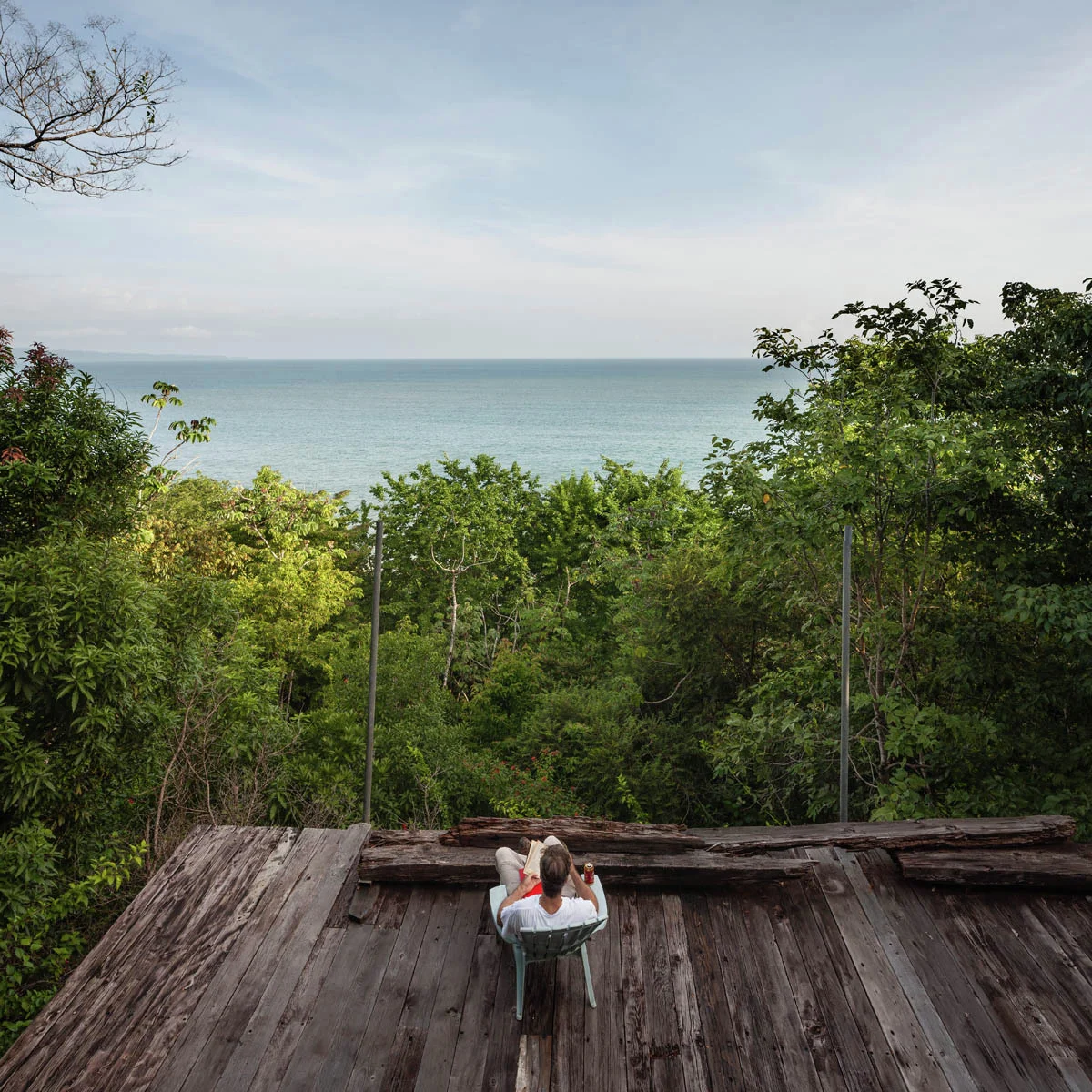
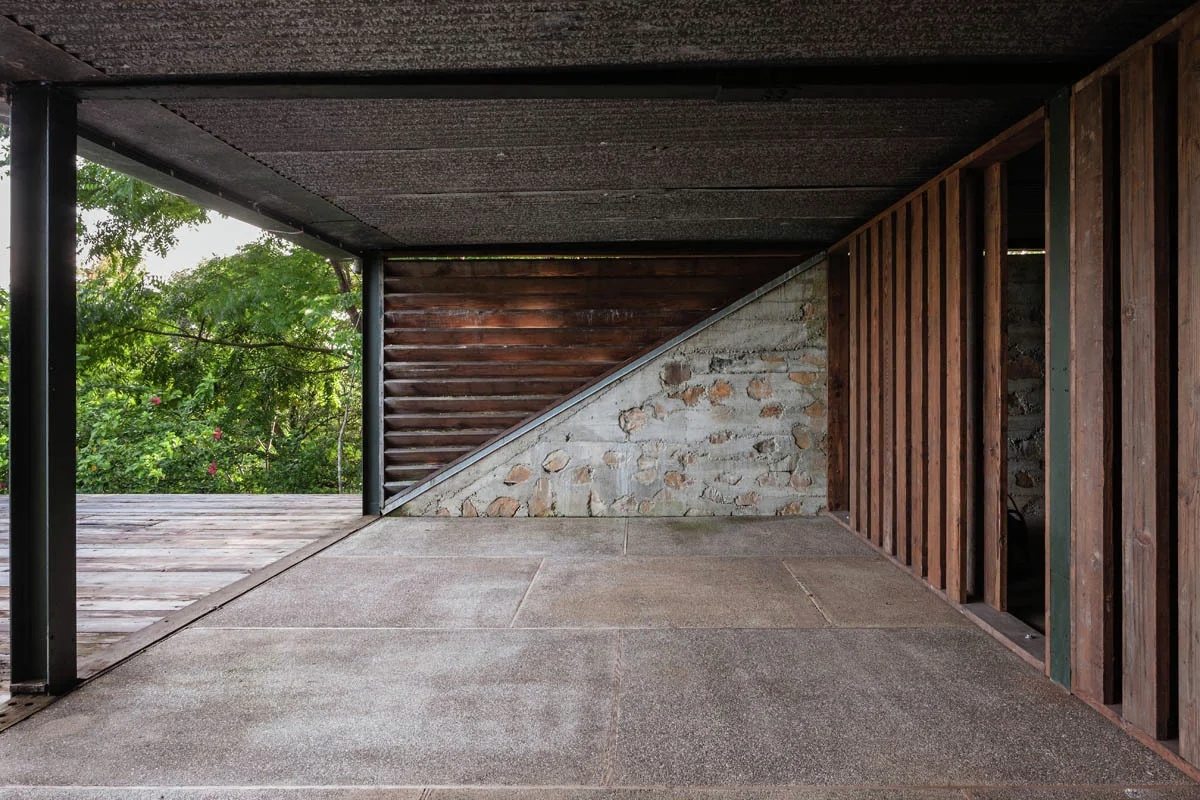
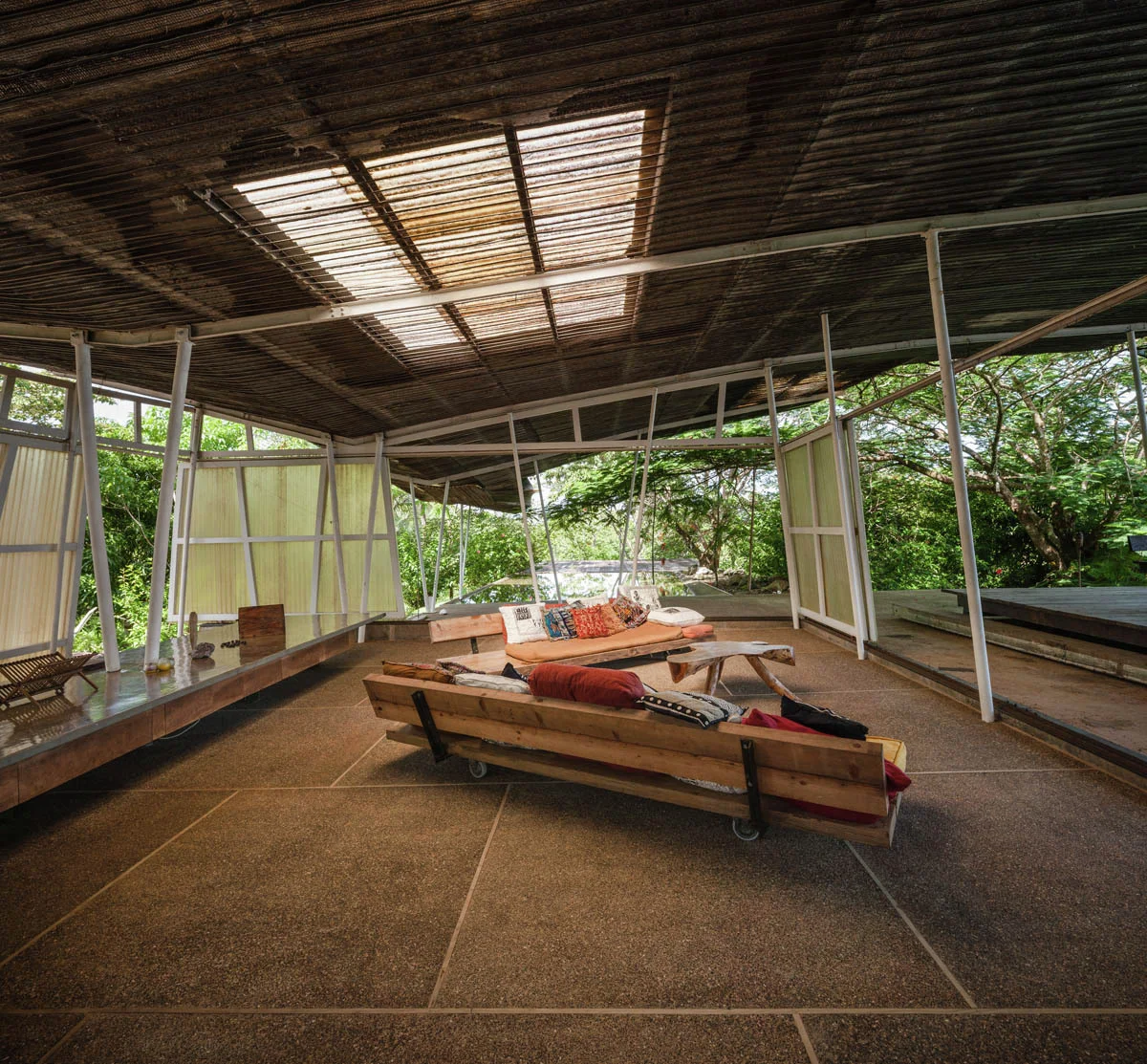
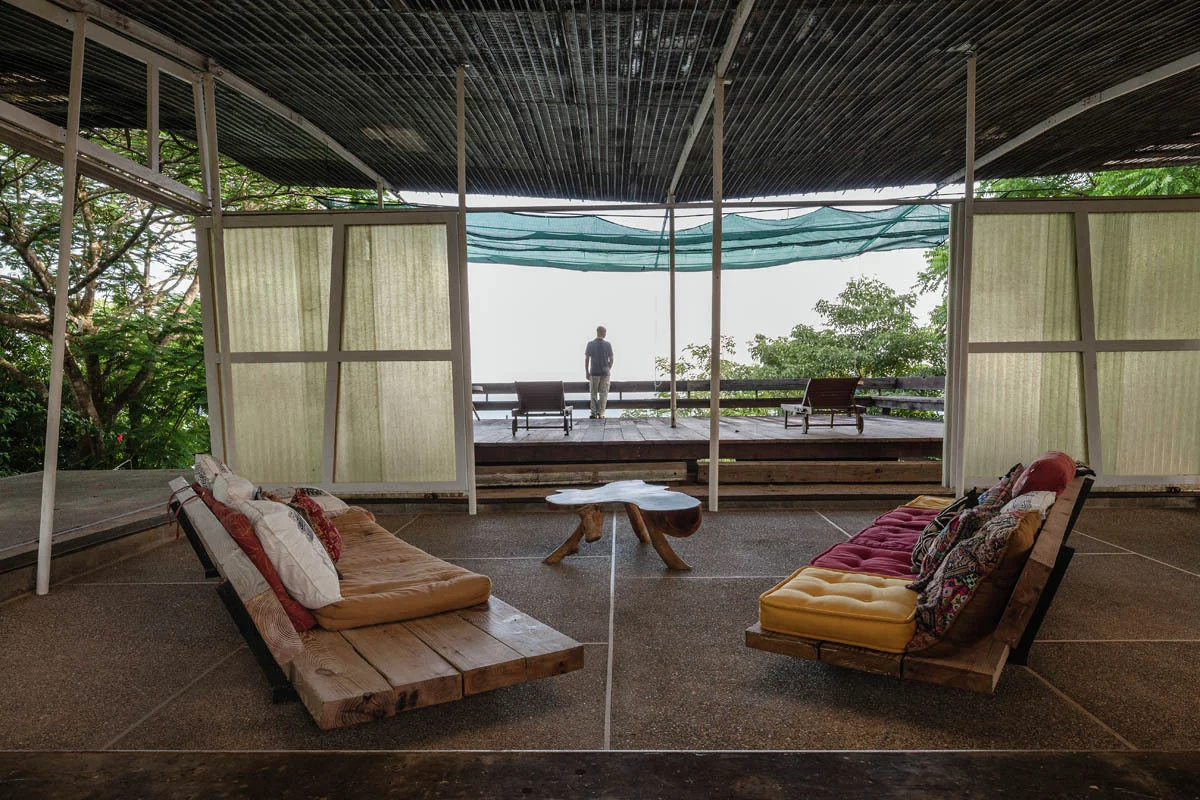
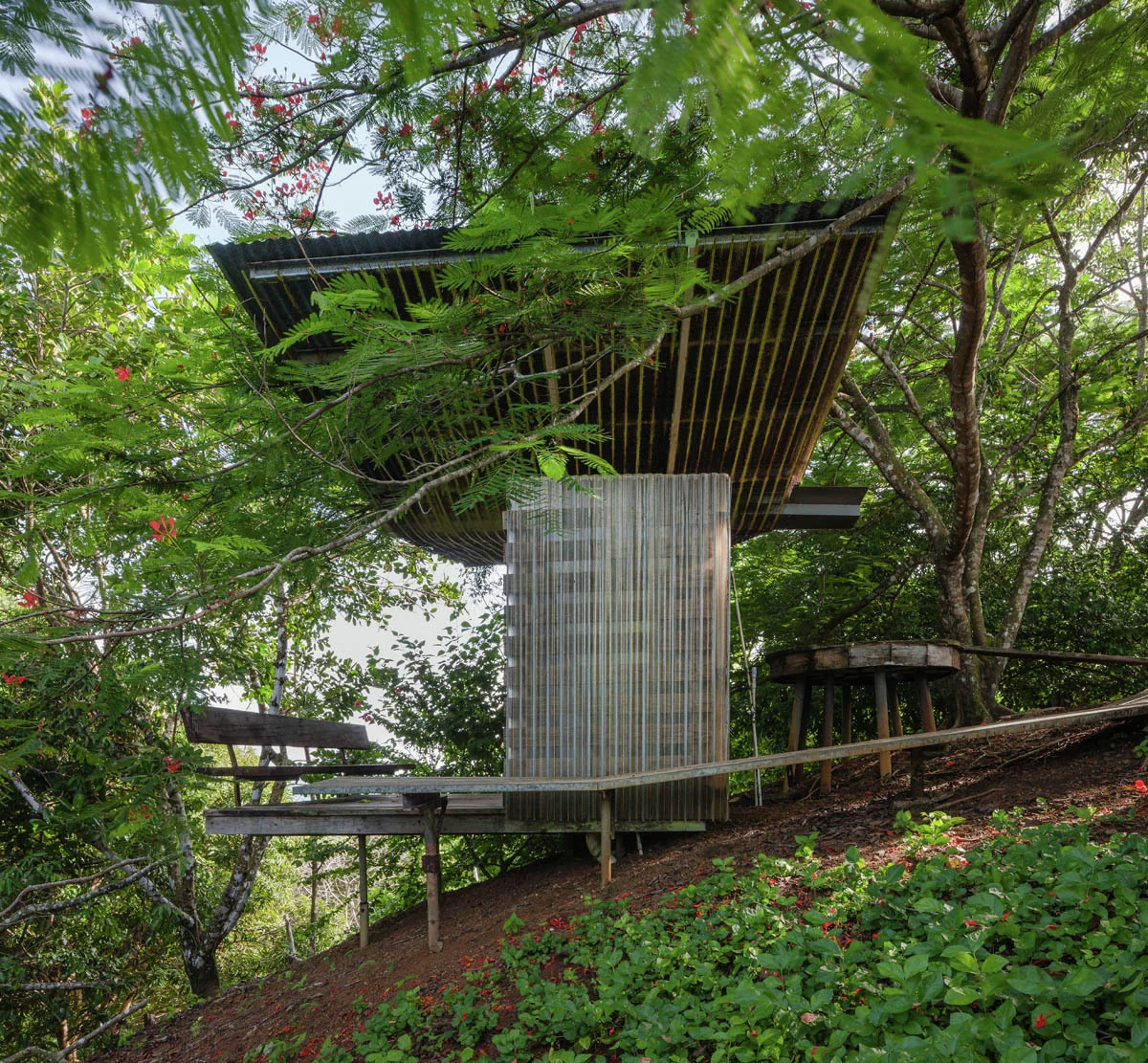
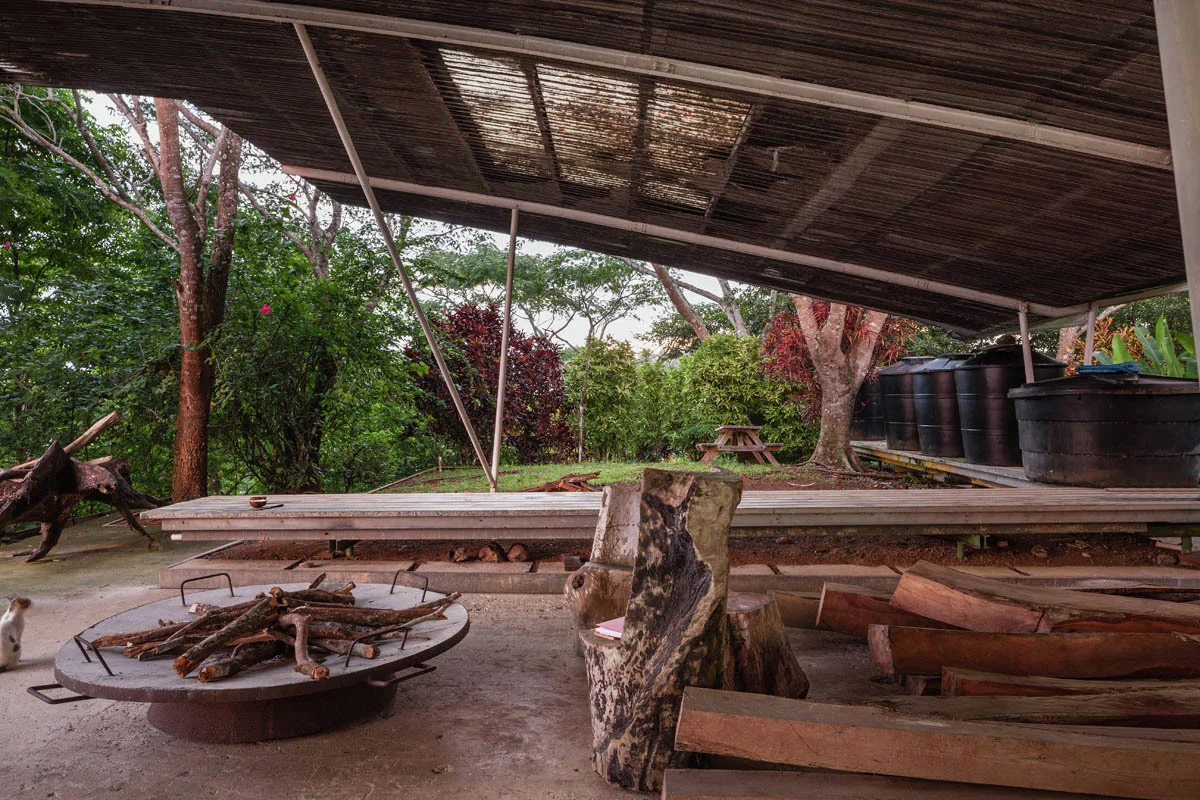
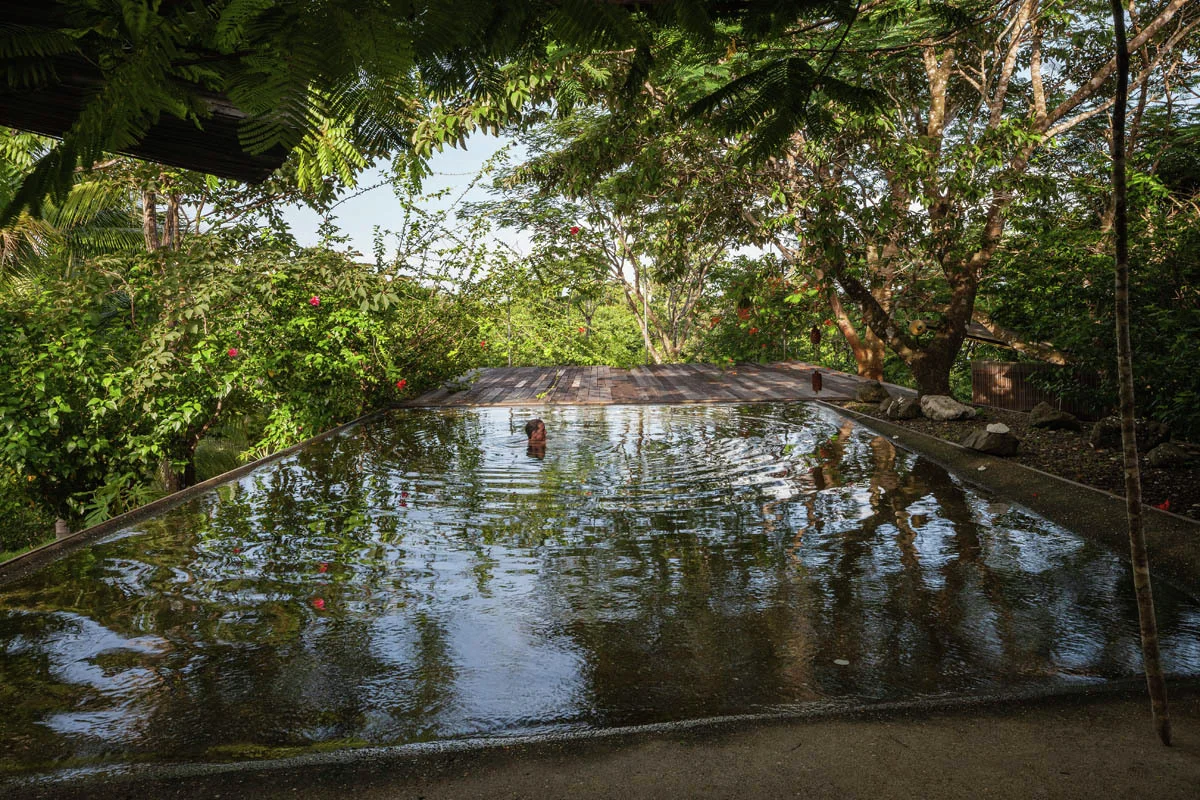
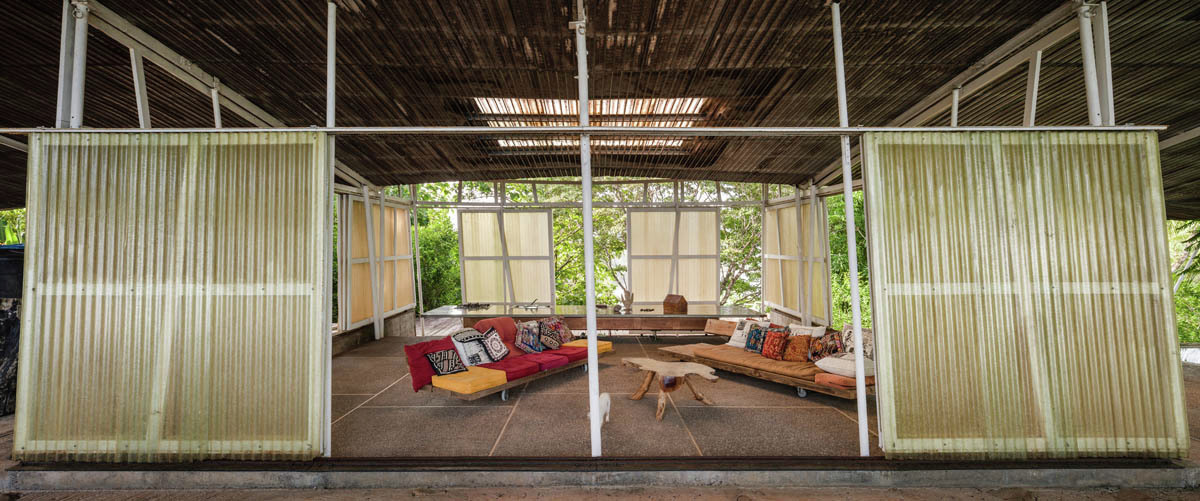
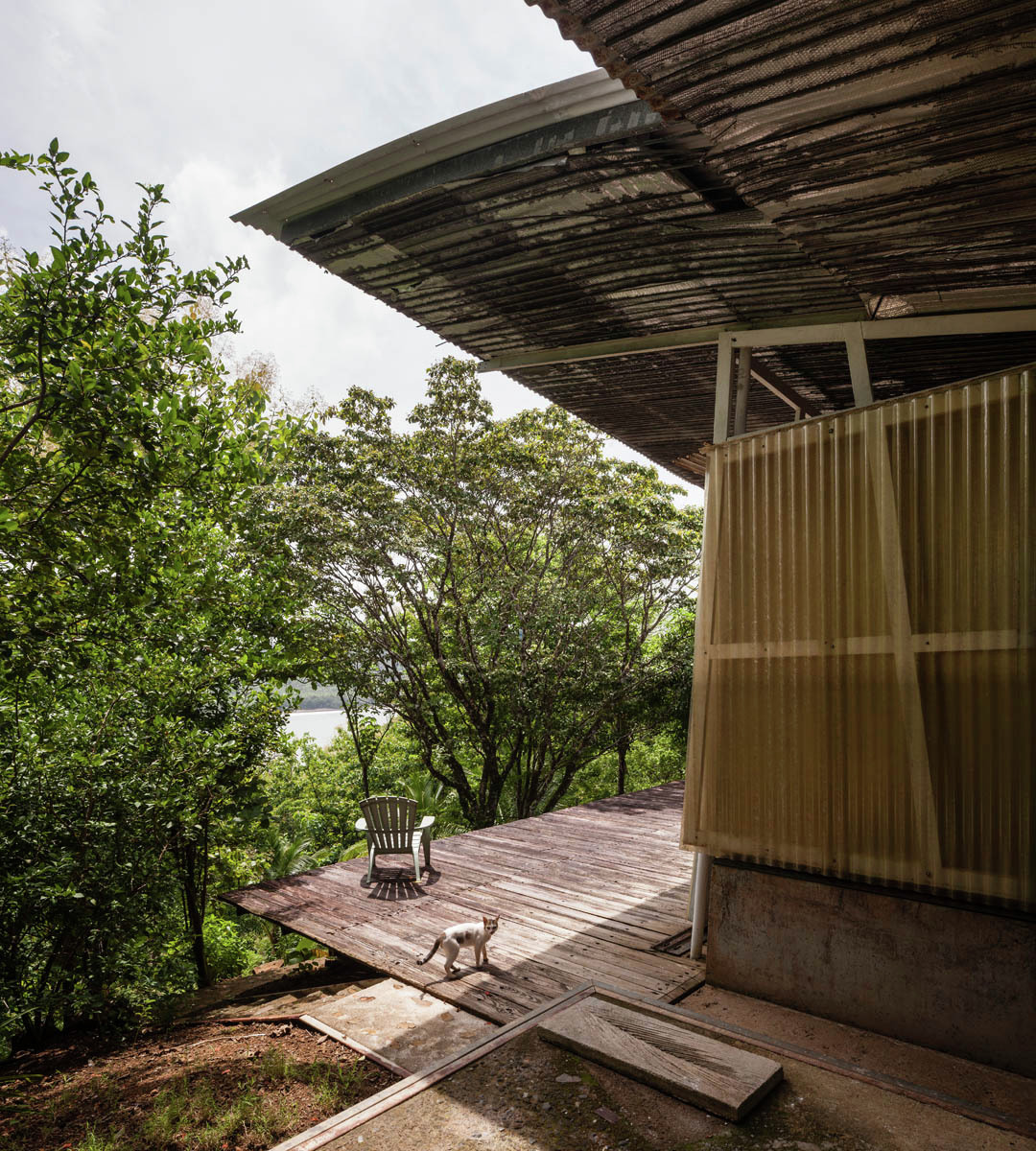
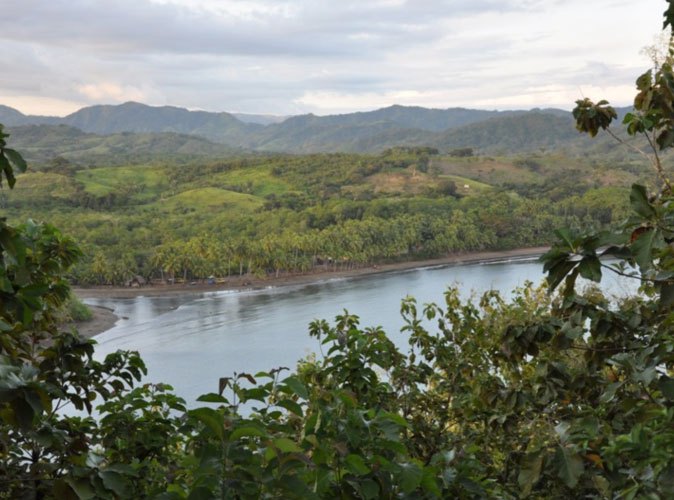
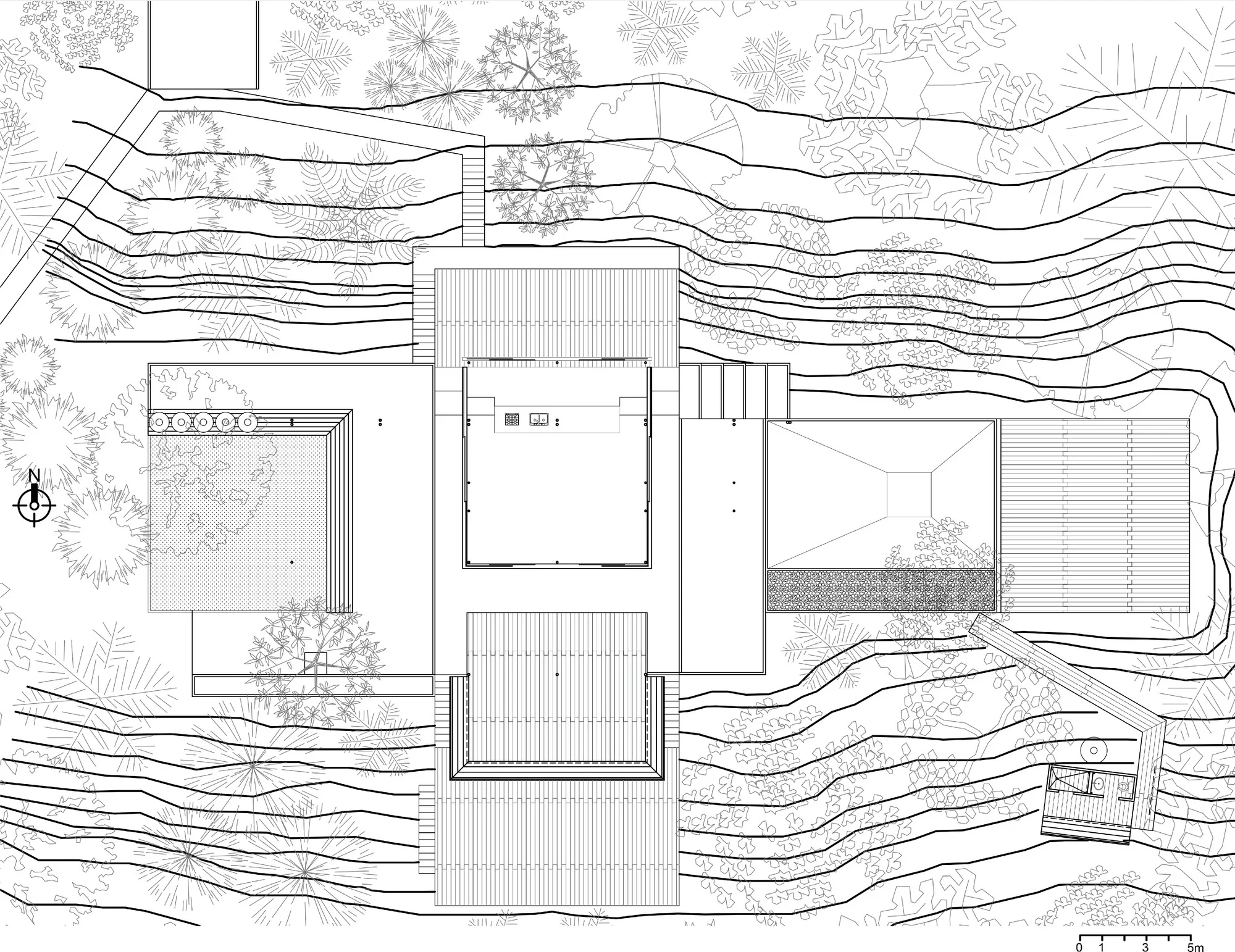
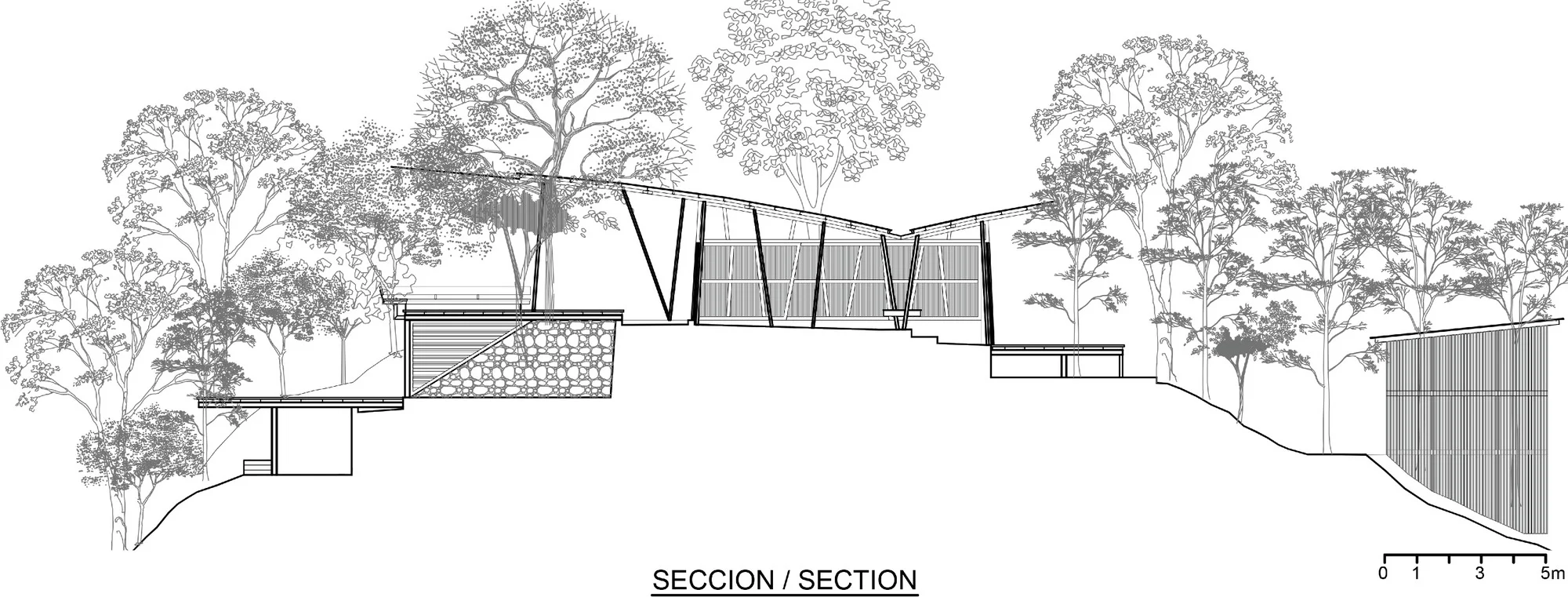
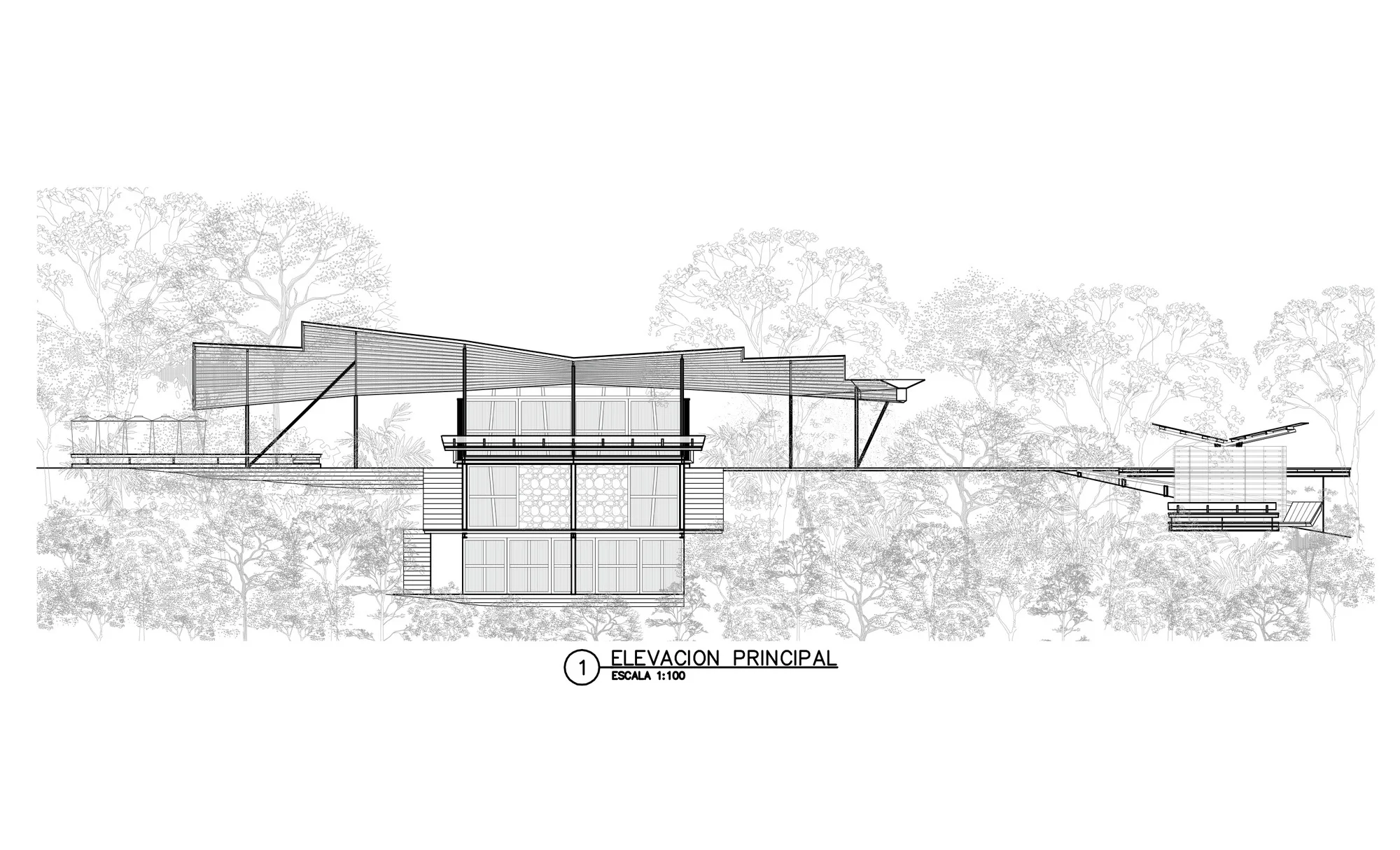
SaLo is a property on the Pacific coast of Veraguas, deeply embedded in the nature that surrounds it. The site emerged from the ocean depths some 70 million years ago, which makes it one of the oldest rock formations in Panama. It is an open and flexible structure, with solar power and water collection systems, designed around the hearth, kitchen and common space. Multipurpose platforms are used for sleeping, contemplating the views, vast biodiversity and land to explore. Upon arrival you feel at once grounded and ready to fly with inspiration.
“I often found myself musing about living in a place with no walls, no windows, no restraints, no limits”
Recent projects show that ecological building can result in a renewed architecture. New building techniques, energy concepts and facade systems are integrated in an innovative way in architecture.
High Tech” or “Low Tech
Which approach is more suited to help achieve a sustainable development of architecture and urban design? A substantiated discourse on this question has not yet been established in the scientific community and discussions in architectural circles seem to be limited to purely stylistic concerns. On the other hand, a certain tendency towards a preference for a low–tech approach can be discerned amongst many architects in practice and in research, and also amongst students of architecture. This leaning towards low–tech would however seem more grounded on an emotional than intellectual level. This development is somehow fascinating and, at the same time, somewhat disconcerting for a society which depends so much on
technology in everyday life.