
2015 was another year that changed our world dramatically. When Alan Kurdi’s tiny body was washed up on a beach in Turkey, forcing the world to grasp the pain of Syria’s refugees, the two year old Kurdish boy was the turning point in European media and citizens harts. From closed and protective acting to open up our frontiers, with blankets and teddy bears.
9/11 - 15 years ago did 16 al-Qaeda terrorists changed our world dramatically into a worldwide movement, seemingly more dangerous to Americans than the communist Soviet Union with thousands of nuclear missiles. One consequence today is; the U.S. Defense Department has a $548 billion core budget for this fiscal year, more than half the discretionary funds in the entire U.S. budget! Some of this billions could do better helping the poor and sick in America, rather than financing hundreds of billions into War on Terror. The fact is the more billions we spend on war, more terrorist’s pops up everywhere...
Syrian civil war or?
Syria had maintained close ties to the Soviet Union throughout the Cold War. That meant that even with the fall of the Soviet Union, Syria still had ties to Russia. But today the weapons are foreign, the fighters are foreign, the agenda is foreign. As Syrian forces fight to wrest control of their country back and restore order within their borders, the myth of the “Syrian civil war” continues on.
The Syrian conflict was borne of organizations created by centers of foreign interests decades ago who have since fought on and off not for the future of the Syrian people, but for a Syria that meshed more conveniently into the foreign global order that created them. The conflict has been fueled by a torrent of weapons, cash, support not from among the Syrian people, but from the very centers of these foreign special interests; in Riyadh, Ankara, London, Paris, Moscow and Washington.
More than four million Syrians have fled their homes.
Today refugee and migrant flows into Europe remain at an unprecedented high, in Europe today there are over three million refugees, and one million still remain in transit in the neighboring countries, with at least 3,735 more believed drowned this year. Among refugee and migrant children on the move, the risks to newborns and mothers are especially acute. Worldwide, more than 16 million babies were born into conflict last year, 2015.
We need to help this people but in the same time we need certain security guidelines to be established. Among the migrants that should be subject to immediate imprisonment and or deportation would be: serious criminals, members of ISIS, Al Qaeda, the Taliban and other similar extremist groups. But please let's not forget that most of the refugees are families searching for safety, rest, treatment, and education.
This refugee crisis has become one of the most devastating humanitarian crisis of the modern era. Probably the biggest refugee crisis since the Second World War. The challenge European leader’s face is to deal with the growing humanitarian crisis by offering “meaningful and credible alternatives” such as resettling refugees.
But this is just the tip of the iceberg. As the war enters its fifth year, players may not expect to win, but they have invested so much of their credibility in a successful outcome that they would prefer the conflict to go on rather than accept defeat. This is true in varying degrees of the US, Britain, France, Russia, Iran, Hezbollah, Saudi Arabia, Turkey and the Sunni monarchies of the Gulf. Isis will seek to sharpen sectarian and ethnic differences through its atrocities as it did in Turkey by provoking a renewal of the low-level civil war between the Kurds and the Turkish state. The shooting down of a Russian aircraft by Turkish jets on 23 November underlines the escalation of friction between rival powers.
Profiting from the Syrian conflict
Considering the fact that more billions we spent on war exactly $1.75 trillion last year; more terrorists pops up everywhere. More terrorists; bigger the refugee and migrant flows are, coming into Europe.
Lockheed Martin was the global leader with $36 billion in arms sales in 2013, according to the Stockholm International Peace Research Institute (SIPRI). U.S. companies still dominate the arms market by a large margin, with six among the top 10 arms sellers. In the top 100 arms-producing companies, 39 are based in the United States, and U.S. companies accounted for more than 58% of total arms sales among the top 100.
Also, Russian companies have been growing rapidly, and if the trend continues, Russian Almaz-Antey may breach the top 10 in the coming years. Further, although data on Chinese companies is currently unavailable, it is very likely several would be in the top 20 arms dealers.
“Despite two failed wars it seems the country hasn’t learned the lessons about the huge cost of military adventures and the limits to what military intervention alone can do to solve complex foreign policy challenges”
The atrocities recently committed by the Free Syrian Army are reminiscent of the kind committed against the Soviets in the 1980s by the Afghan mujahideen, whom the U.S. actively funded and supplied with arms. It should be worth noting that the same mujahideen fighters U.S. funded to fight "our" enemies for us in the 1980s became our enemies even before the 9/11 attacks. We’ll all this is just business I guess.
We could make this Syrian conflict into an opportunity for everybody in terms of; young migrants could provide a much-needed demographic boost.
The short-term costs are manageable, while the long-term benefits are potentially substantial. Migrants are, generally, a boon to labor markets. Moreover, they pay out more to the state than they take in services, according to separate pieces of research by the OECD and the Centre for European Economic Research.
Don’t forget that more than one-fifth of Europeans will be 65 or older by 2025, placing great strain on social services and health care. Eastern Europe may not like refugees but needs labor more than other countries.
Recently northern Europe has been strongly criticized for cutting foreign aid to pay for its refugees costs. Sweden is looking into cutting its development aid budget by 60%; and Norway is to do the some by $500 million and the same across other countries such as the Netherlands.
Before any nation place such critics they should accept as much refugees as we do in Sweden, as well as spending the same amount of their GNP as we do on foreign aid!
In the race for Syrian black gold
Syria has at least 2.5 billion barrels of oil in its fields, making it the next largest Middle Eastern oil producer after Iraq. It’s easy to see why the oil-demanding governments wants to be involved in Syria’s outcome. The Free Syrian Army has since taken control of oil fields near Deir Ezzor, and Kurdish groups have taken control of other oil fields in the Rumeilan region.
An ideal outcome would be for U.S. troops to back the FSA’s overthrow of the Assad regime, meaning that sharing in Syrian oil profits would be part of the US demands in exchange for helping the Syrian rebels win. It would be very similar to the situation in Iraq fighting Saddam Hussein in 2006 or when the U.S. under Teddy Roosevelt, backed Panama’s fight for independence in exchange for US ownership of the Panama Canal. Again all this with the complicity from some countries in Europe.
At a higher cost than the U.S. Defense Department's $548 billion
So while the American people with its tax money pay an estimated $60 billion in waste, fraud and abuse associated with the wars in Iraq and Afghanistan, according to the U.S. Commission on Wartime Contracting. The Bush administration initially pegged the cost of its Iraq intervention at $50 billion, a figure that grew to more than 20 times that amount over the course of the conflict.
And the Syrian people payed with more than 76,000 civilians lives, since the Syrian war began in March 2011.
At the same time, UNHCR continues to call for safe, regular ways for refugees to find safety through more resettlement and humanitarian admission programmes, more flexible visa arrangements, more private sponsorship programmes and other possibilities. We should focus on the source of the Syrian war and who's financing it, instead of targeting the weakest party in this complex conflict. As we should receive these Syrian families with respect and understanding.
These images taken by Bassam Khabieh is what the Syrian refugees are fleeing from, wouldn't you?
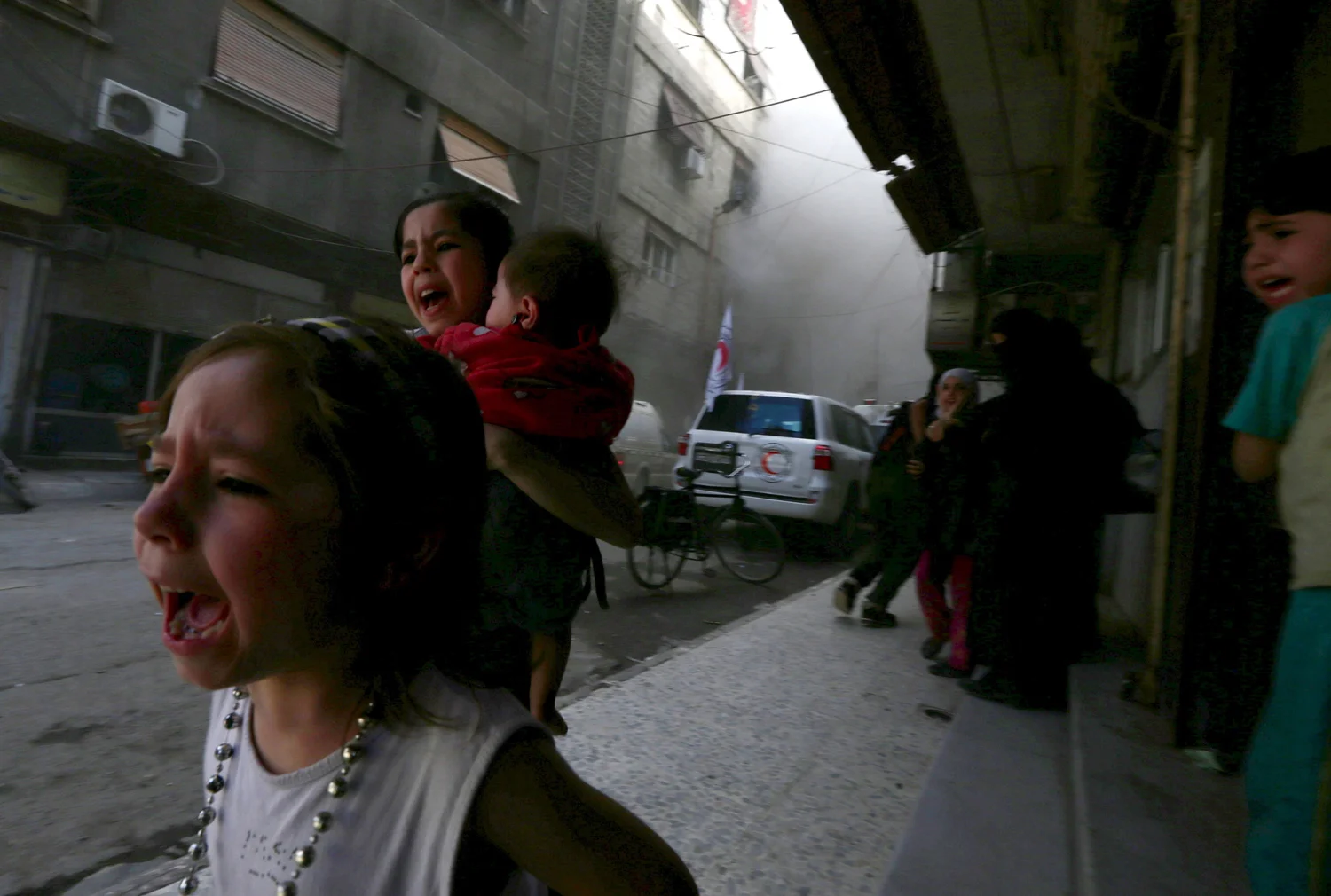
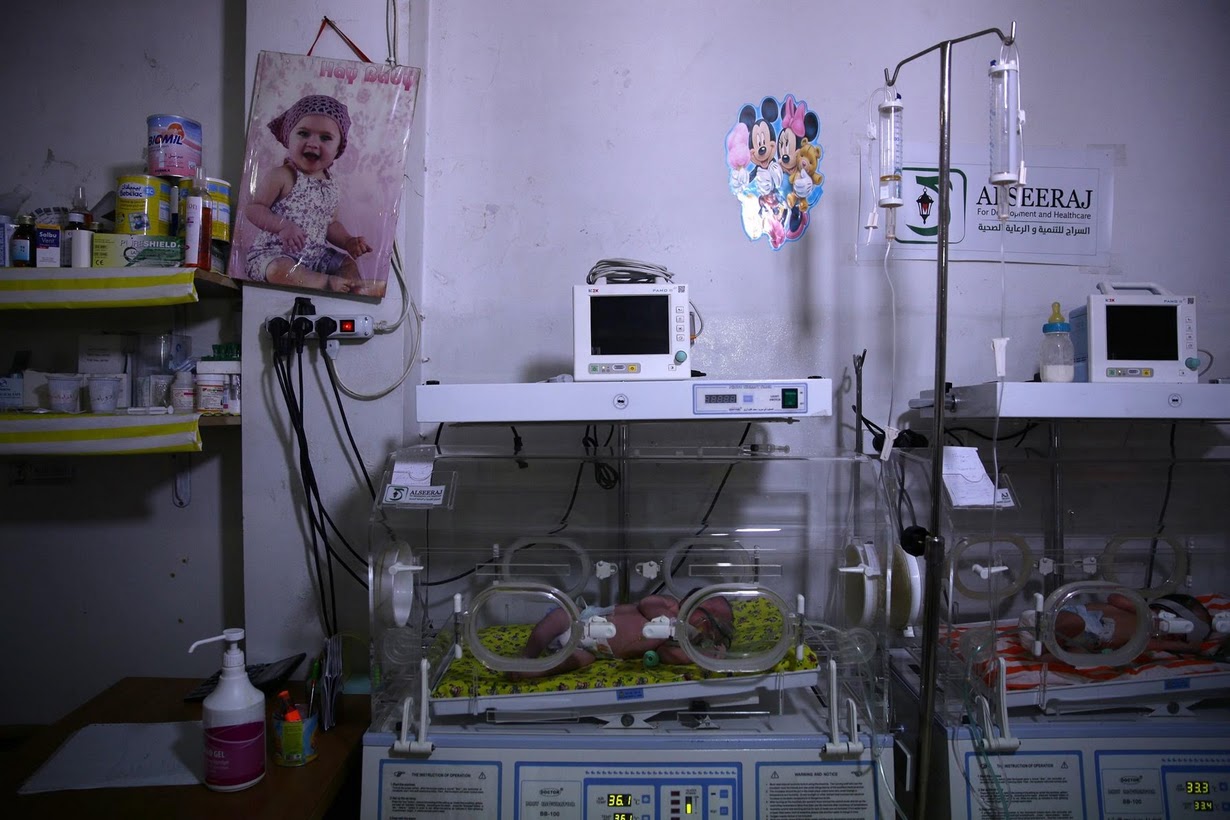
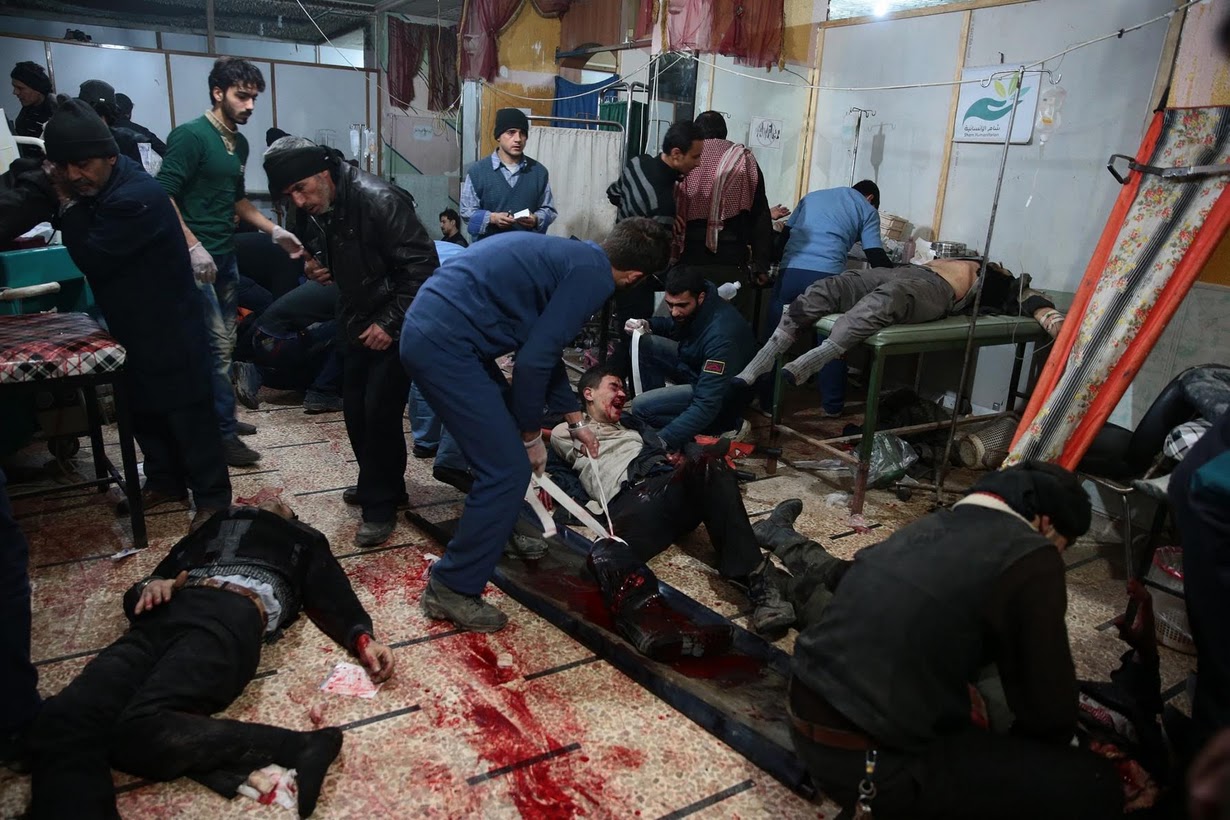
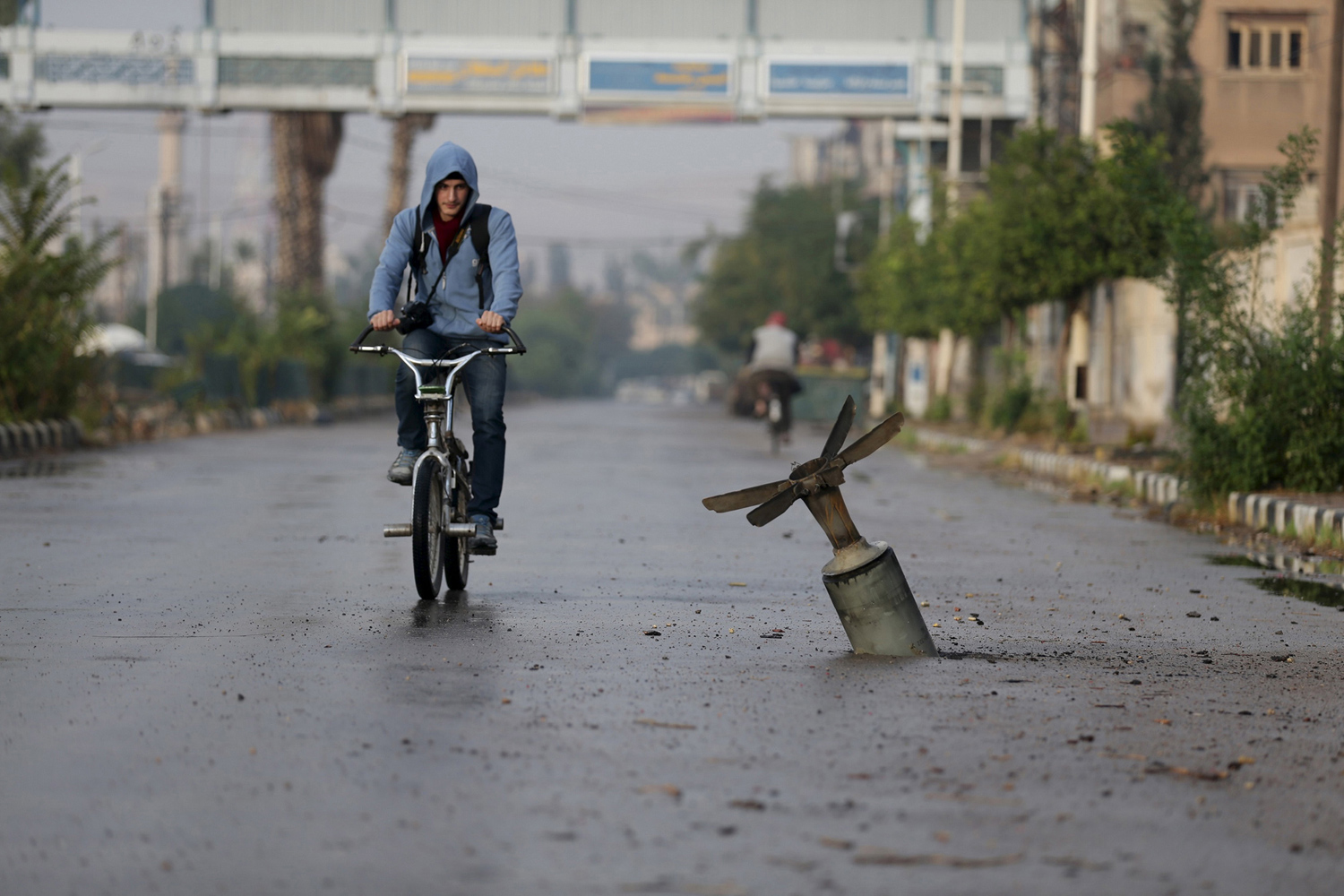
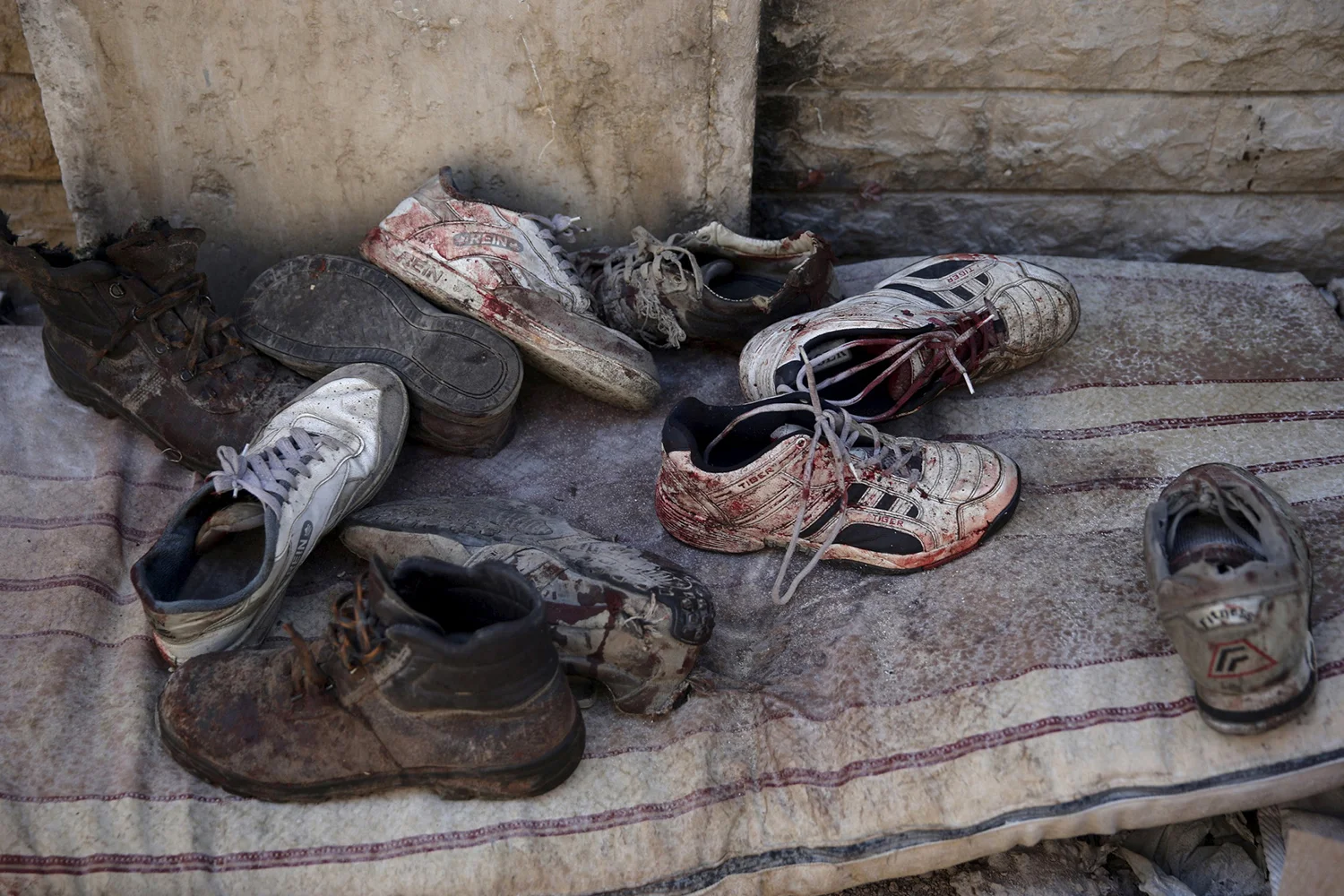
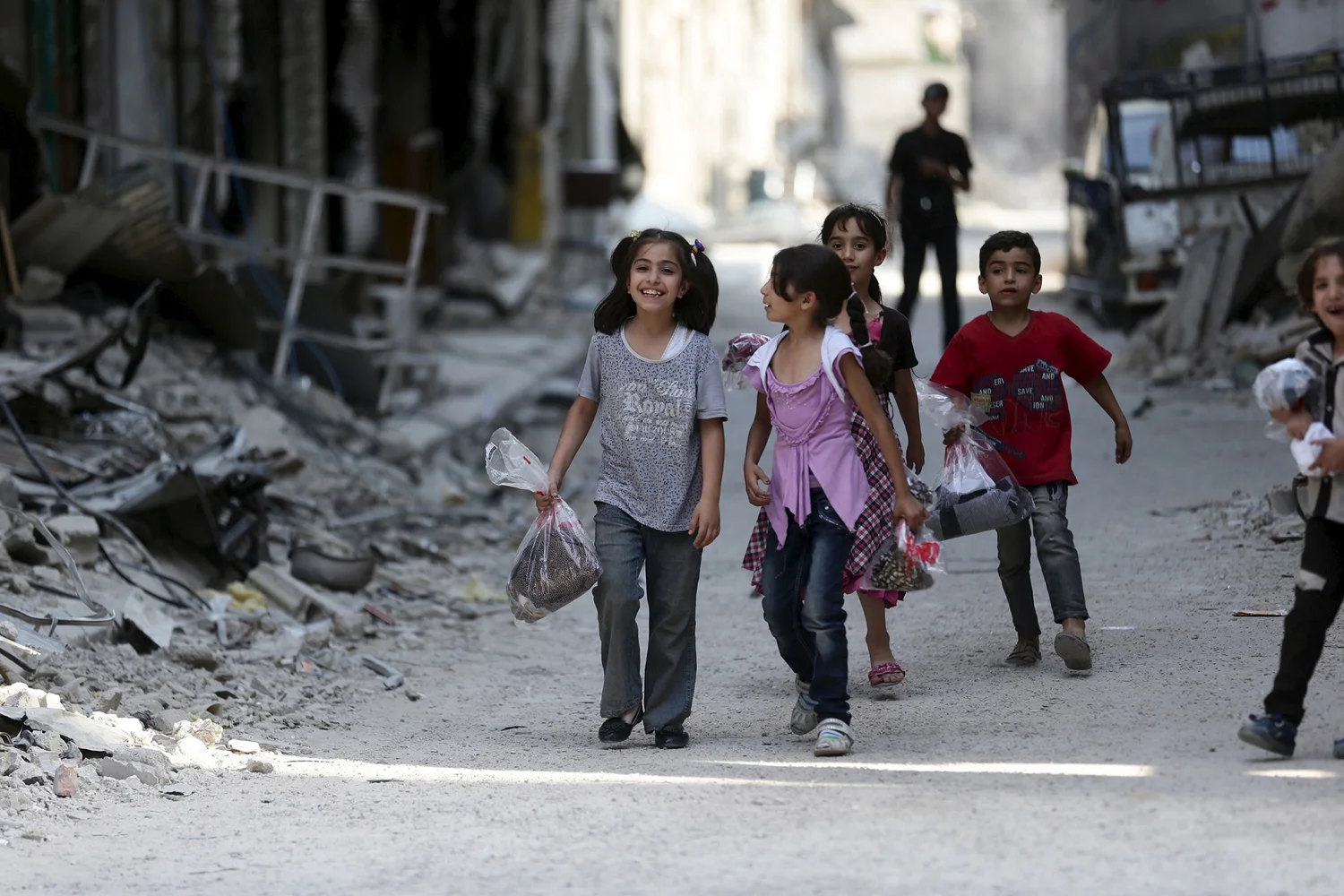
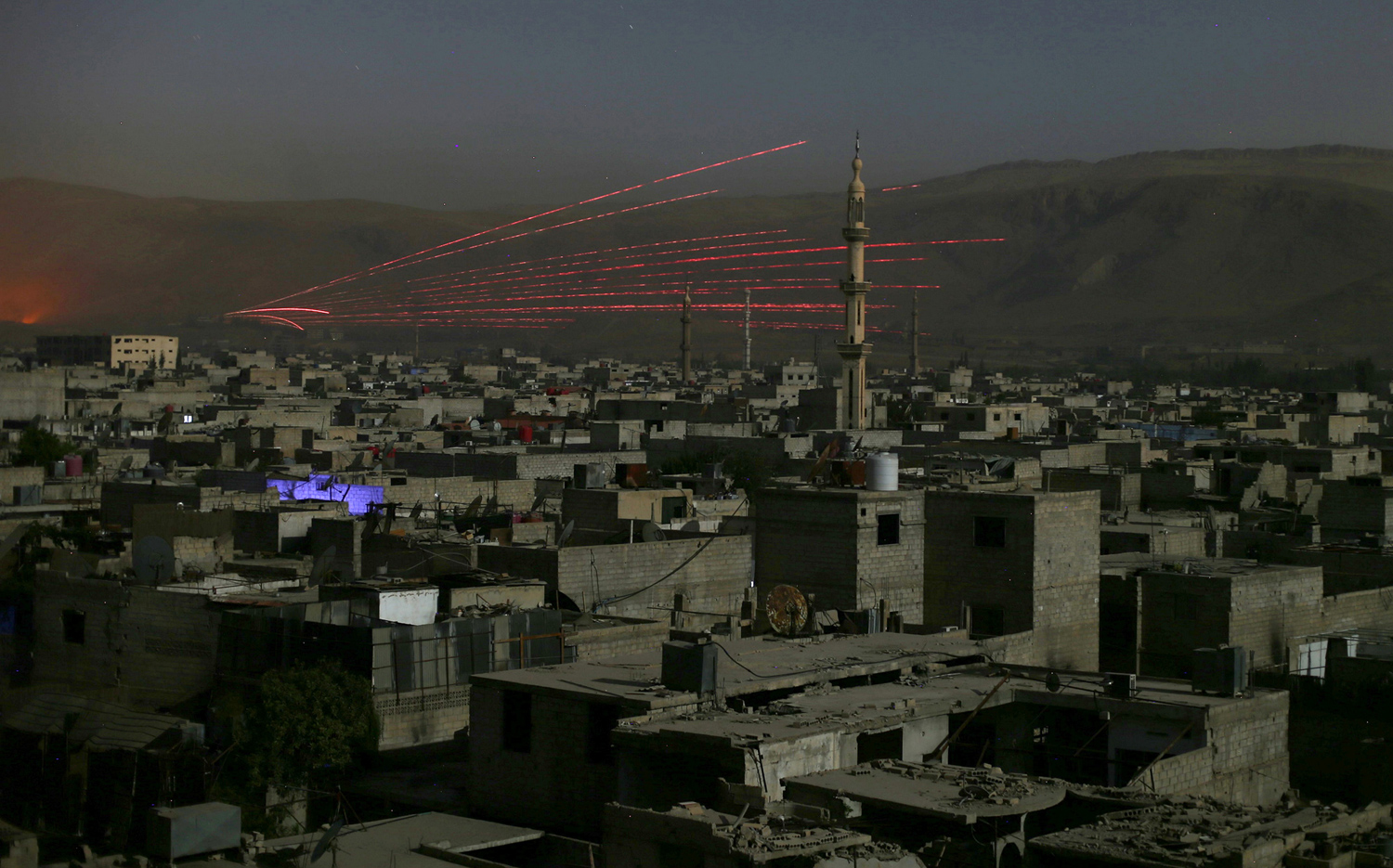
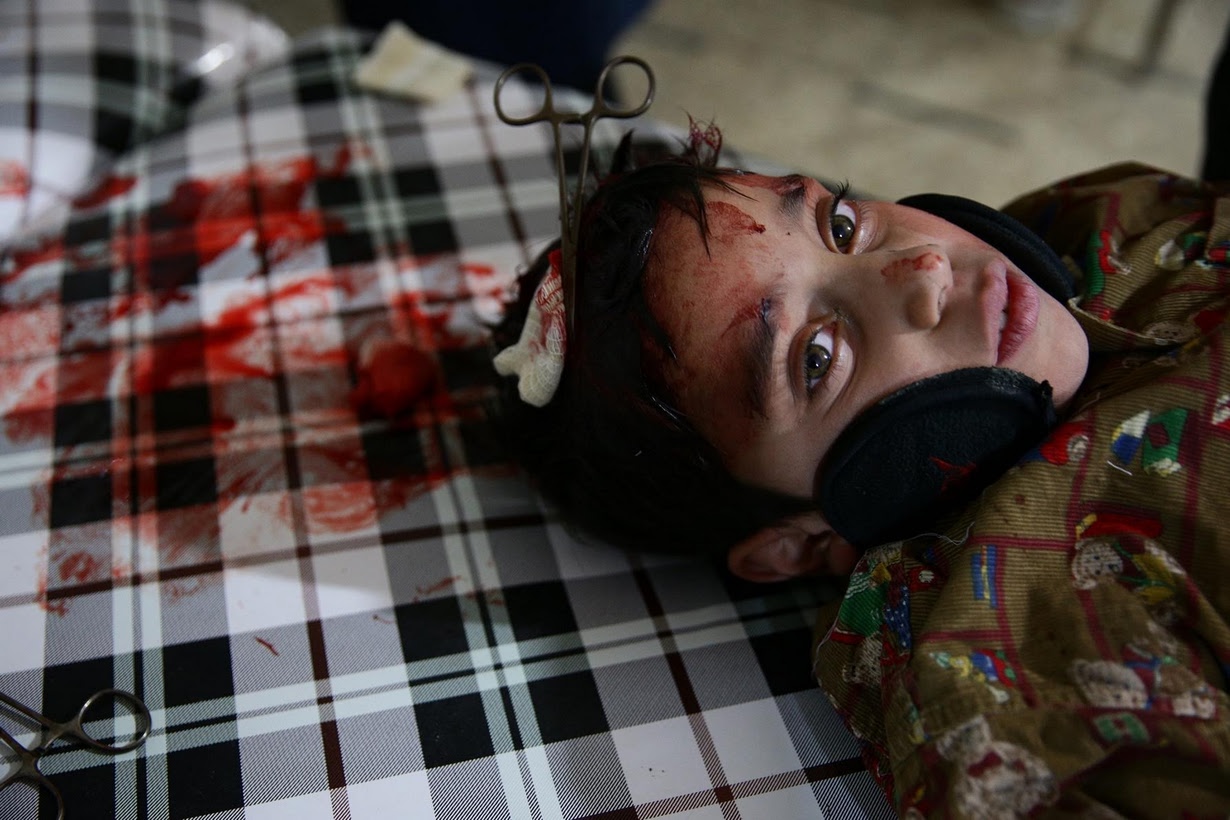
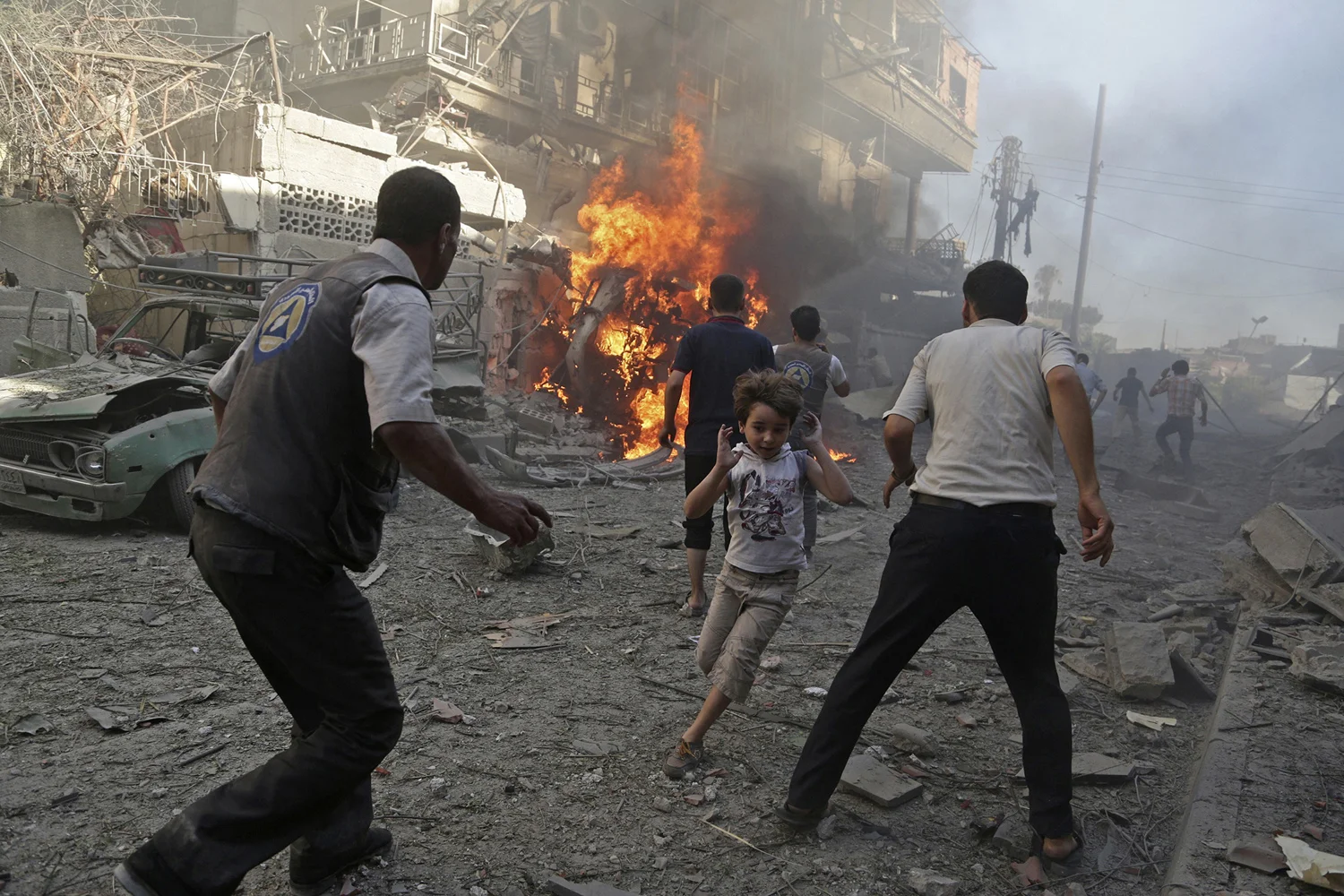

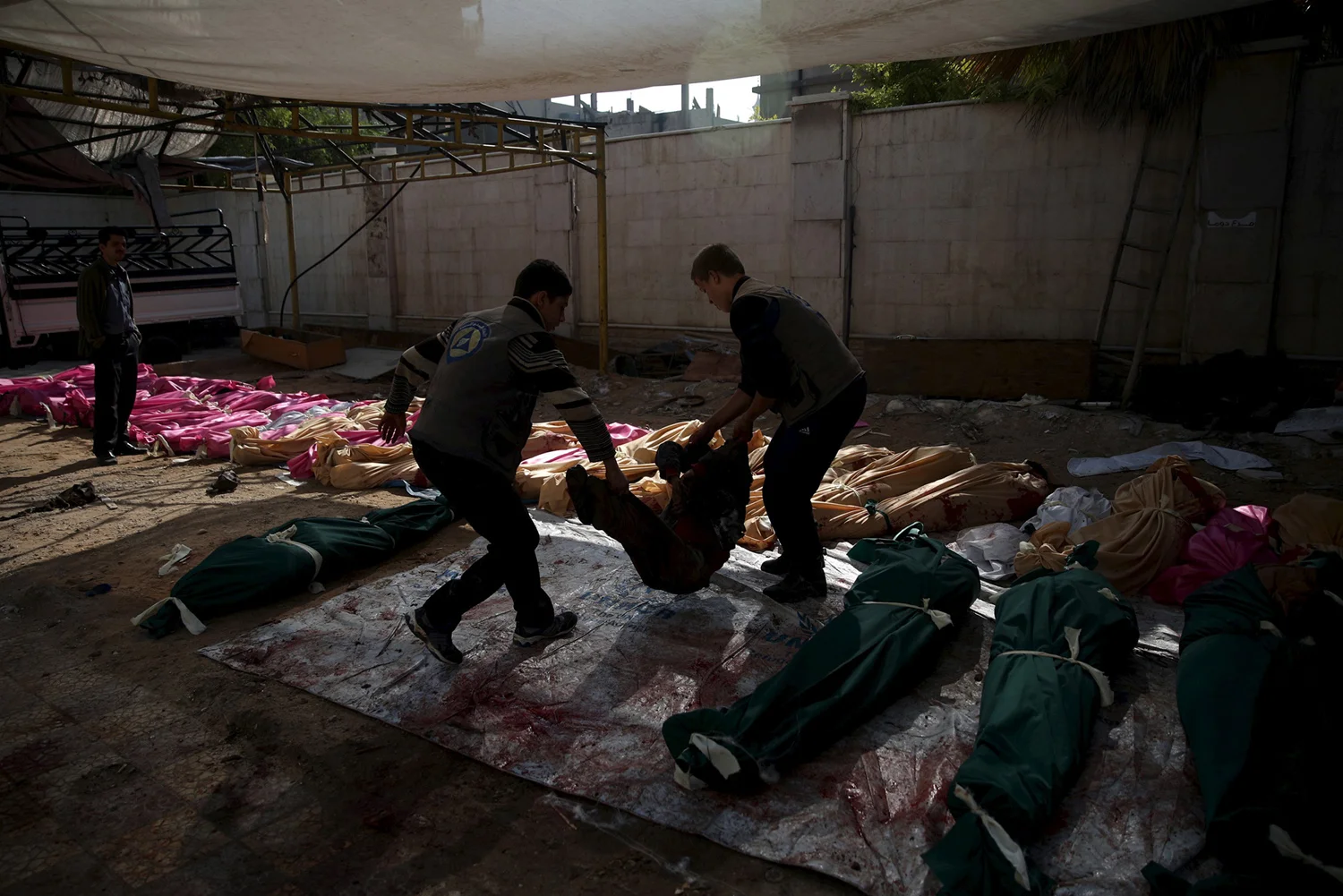
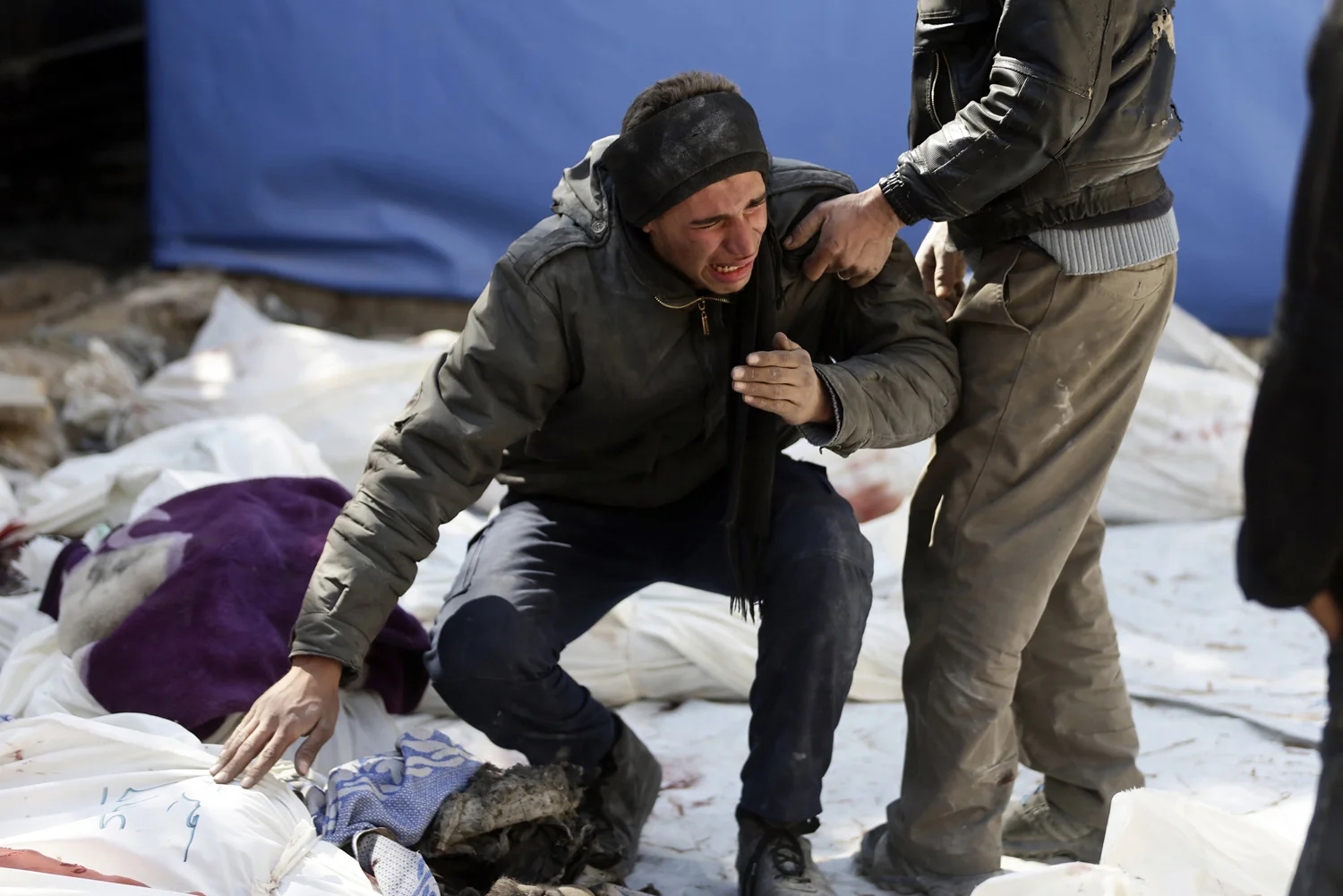
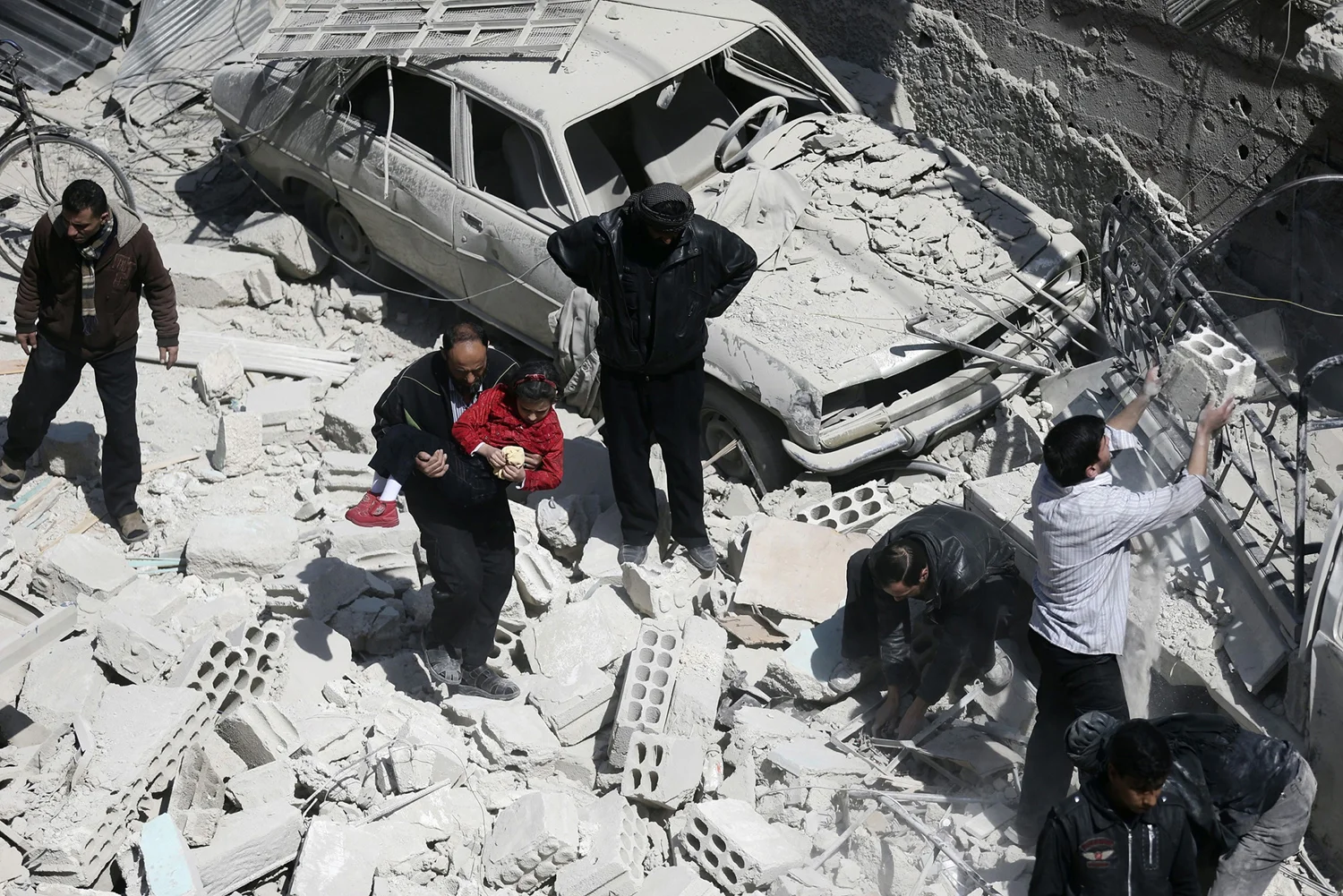
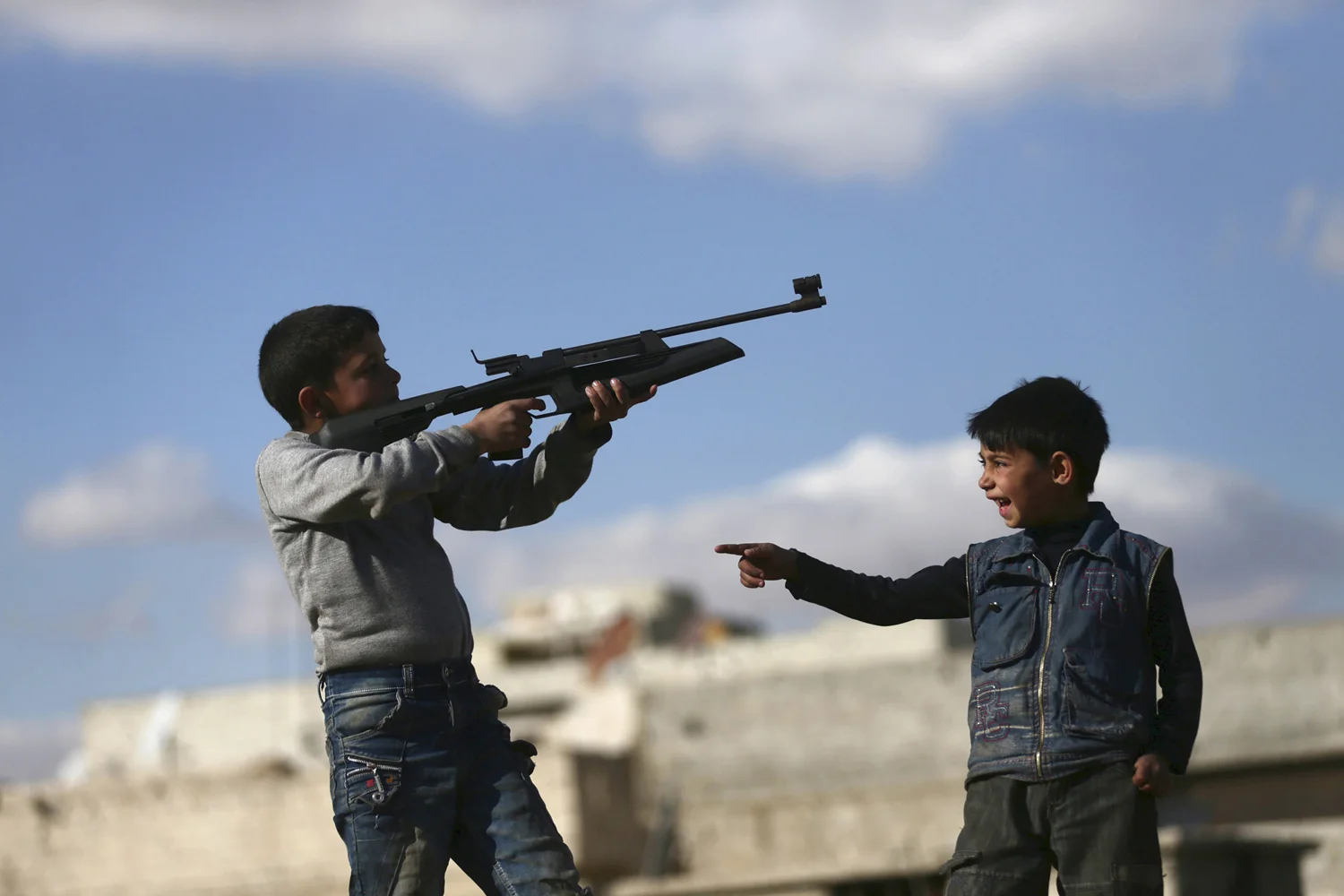
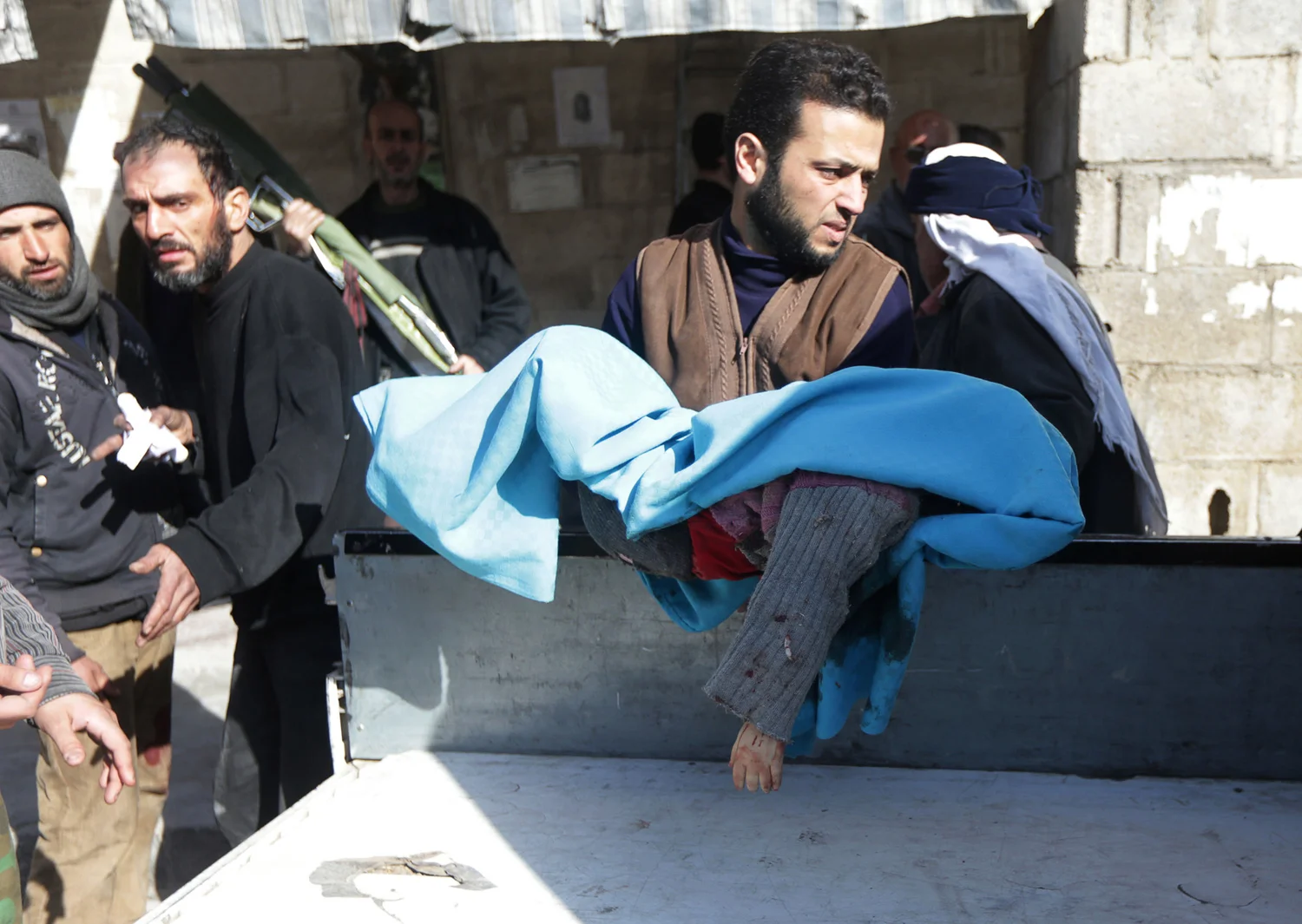
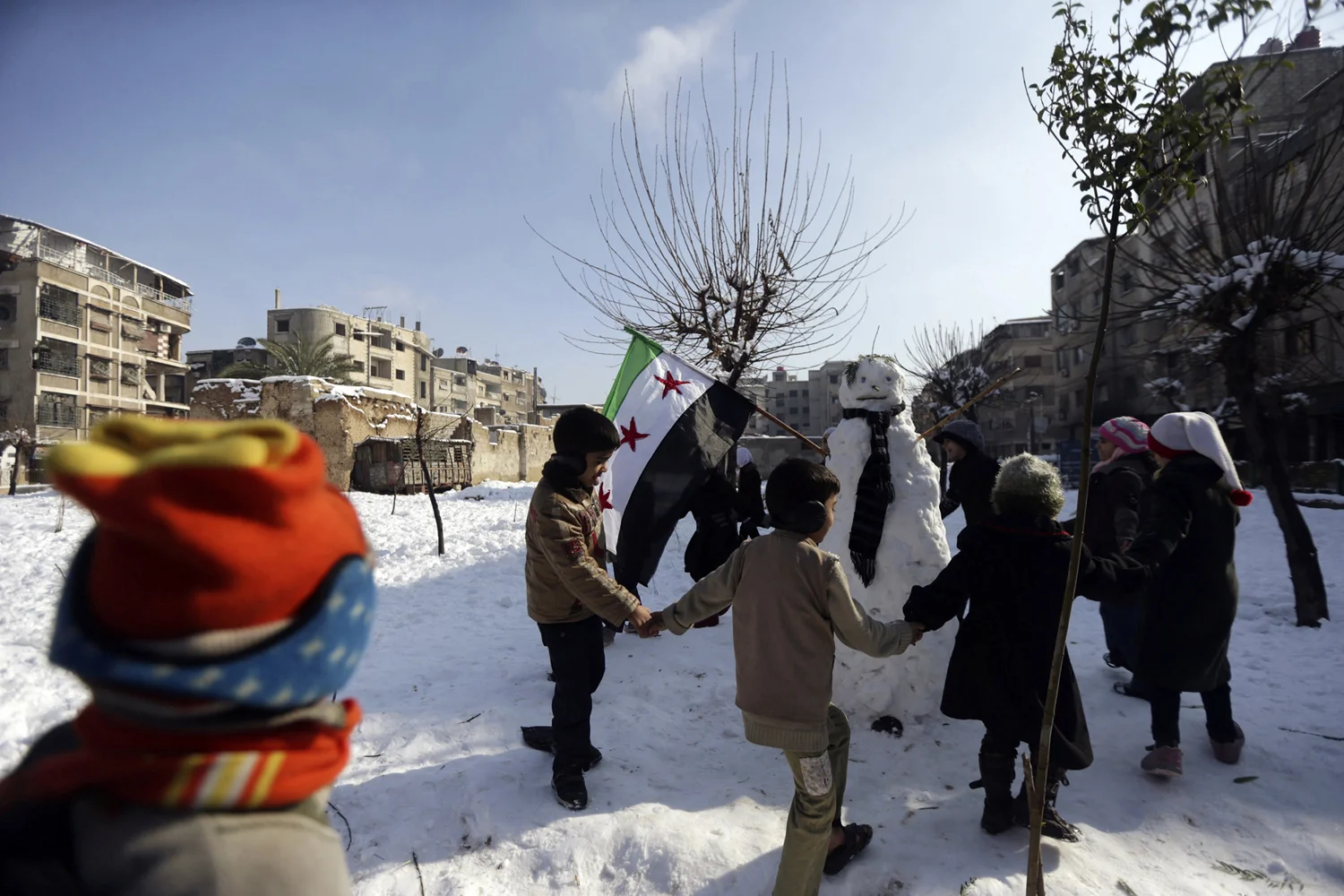
Photo Bassam Khabieh / Reuters