
Today we have all kinds of tracking devices to control the movement of our children, dog, car and mistress... We track and measure our body, house and basement for a water leak, and if our flowers need water! Also users, more often than not, do not understand the degree to which they are a commodity in different level of marketplaces. Technologies to improve transparency and privacy choices online have been slow to develop, and for many reasons have not been used widely by consumers.
And the sensor that lets your phone know which way the screen is oriented also—thanks to minute manufacturing variations—emits a unique data “fingerprint” that could allow your phone to be tracked, even if all other privacy settings are locked down, researchers say.
In addition to governing basic things like screen orientation, accelerometer data is widely used by apps such as pedometers and mobile games. Meanwhile, many apps often rely on advertising, which has led advertisers to search for ways to track users and their Web habits.
Even if you don’t allow apps to see your personal data or location, just the raw movements of the phone—which can be measured without permission—can betray the phone’s unique identity and track it over time, according to Romit Roy Choudhury, an associate professor at the University of Illinois.
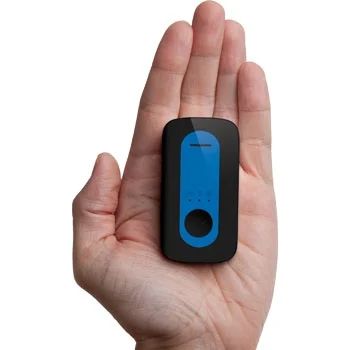
To track children
On January 26, 2014, the Associated Press published an article about a newly-proposed piece of legislation called Avonte's Law. The proposed law is being introduced by New York senator Chuck Schumer and is named for Avonte Oquendo, a 14-year-old boy with autism who wandered away from his Queens school in October. His body was recovered from the East River earlier this month, although the cause of Avonte's death is still under investigation. Schumer's proposed legislation is that the federal government would pay $10 million for GPS tracking devices to be used by children with autism, worn on the wrist or in clothing. Each device would cost about $85.
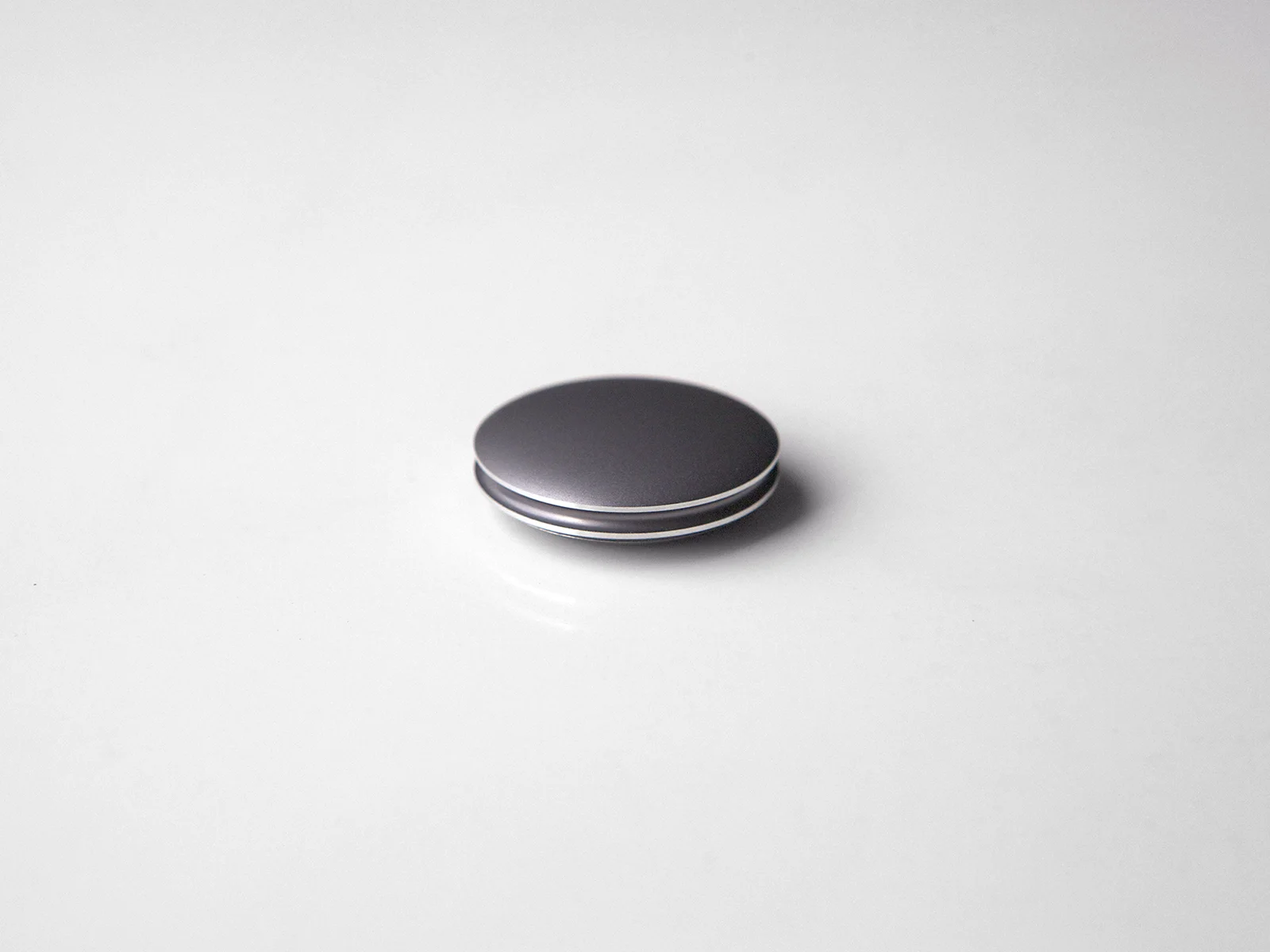
To track bags and all kind of objects at short distance
In the next few years I believe we will see an influx of tracking devices designed specifically for the medical segment, like autism community. Until then we will have to make do with what is currently available.
With a smartphone and a wide range of devices we can track most of it, and so can others; like agents dressed in black!
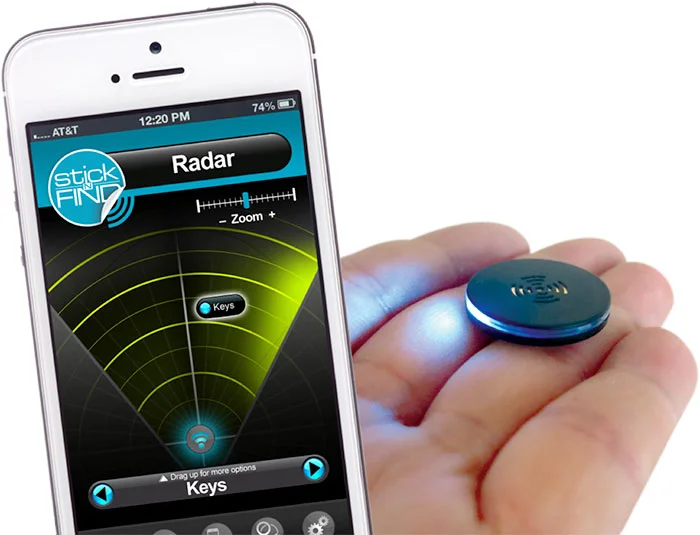
To track you and your gear
We now have short range tracking systems for shopping malls and shopping in general. So the advertising industry can customize your very special ad!
Or Sport
Today’s most popular human activity trackers are worn on the wrist and use accelerometers to measure motion. Proprietary software algorithms analyze that motion and estimate the number of steps you’ve taken, how many calories you’ve burned and how active you are in general.
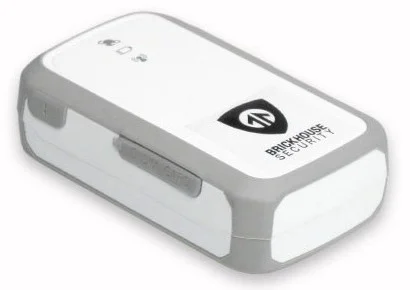
To track you and your car
There are also sensors detect floods, leaks, opened doors, and signals from your other home systems and you'll get notifications via email, SMS, Twitter and more
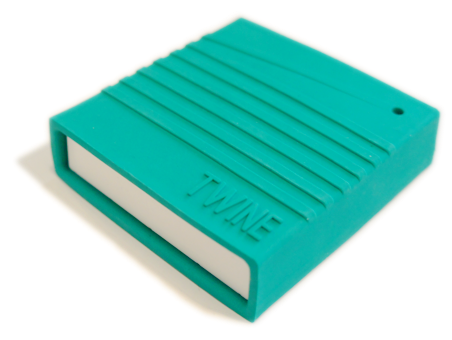
This device track temperature, vibration and orientation
Recent tracking devices for cars not only gather your GPS location data, they send it back out to someone who may be following your movements on the internet right now. Many of them can be spliced right into your car's electrical system.
To check if your home is OK
Would you like to keep an eye all around your house while at or away from home? When something moves outside your home, you can access an eight-second video of the movement anywhere in the world that you have internet, delayed only for the length of the recording and the automatic upload time.
So then get your private little home NSA kit, like the gizmo on the right here.
Out there, we have bigger players collecting Big Data about you just waiting to connect to your home gizmos.
My point is simply that surveillance is pervasive, surveillance is data-based and surveillance is unequal. It is unequal in relation to who has the resources to own, analyze and mobilize the Big Datas and the Smart Cities and it is unequal in terms of who it targets, disproportionately targeting social movement leaders, people of color, of lower income, and with marginalized status in society.
So, should we be that paranoid of all the tracking that can be used stealthily? When President Obama spoke in January about reforming U.S. surveillance, he also asked a panel of experts to spend 90 days investigating the potential consequences of the use of technology that falls under the umbrella term “big data.”
Regardless all this, probably is the statement from a top Colonel of the NSA the most representative of today's Tracking and Big Data...
“Today we have Facebook and Smartphones, what more do we need to gather “everything” about a person! And the best is that 80% of the citizens is gathering most data them self”