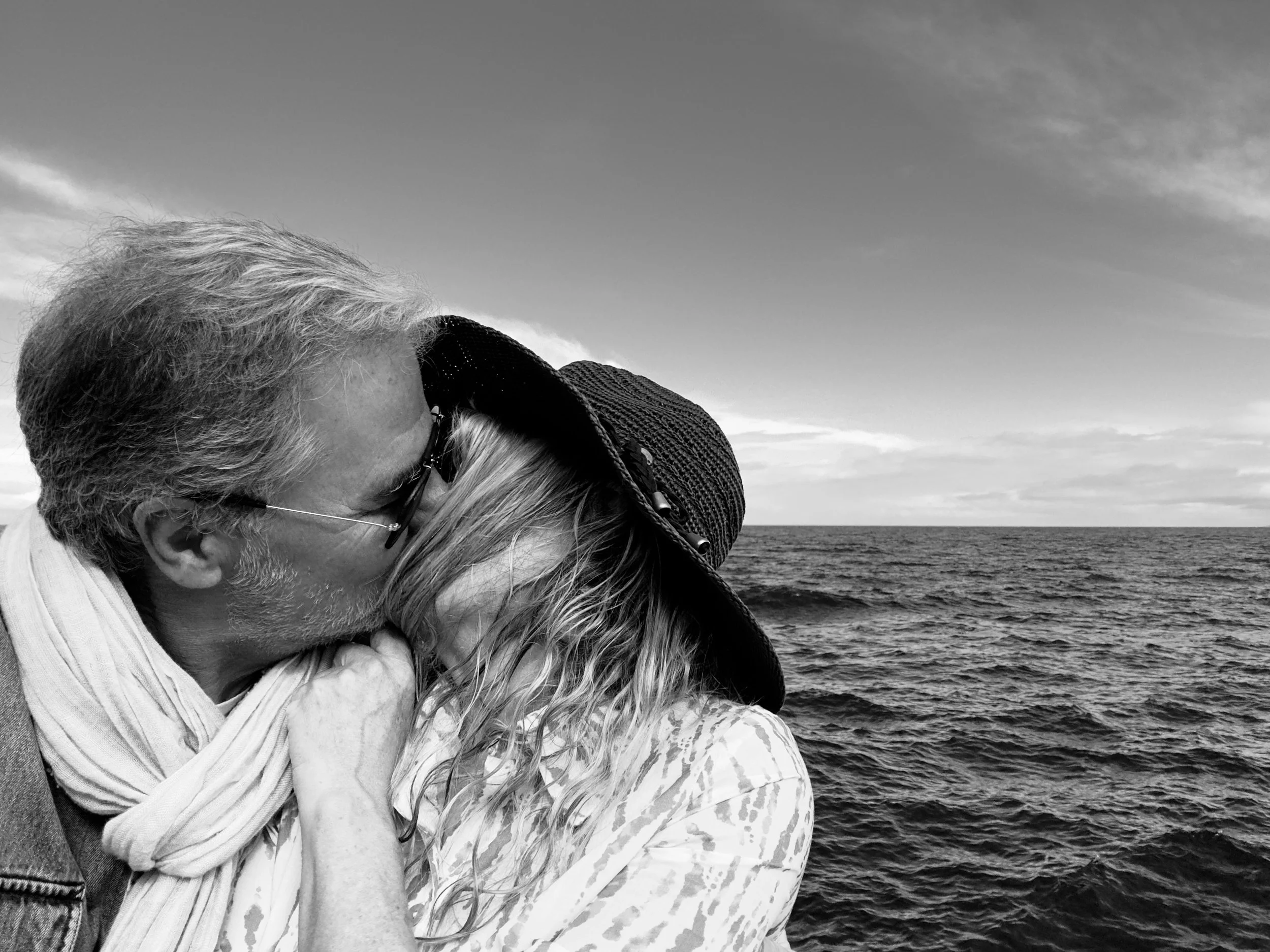
Carol & Richard by Richard

- The power of love -

What we lived was not light or casual.

It was a love that entered the body and stayed there.

In the castle, we loved each other in a way that felt ancient and safe. Stone walls, deep moats, shared mornings as if the world had finally agreed to leave us alone together.

There was tenderness there. Your dogs and our laughter. Silence that didn’t need filling. For a while, everything in me believed: this is where I stop searching.

Carol, you became my home in a life that was still finding its ground. I even allowed myself to imagine a deeper union and a shared future that crossed borders.

Richard loved you without defence, without calculation, with a devotion that asked only to stay, he had never felt this way before.

And that is where the pain began.

  • Because love arrived before safety could hold it.

  • Because care existed, but capacity faltered.

  • Because some wounds ask for distance when another heart asks for closeness.

The ending was devastating and it emotionally obliterated us.

Not dramatic just slow, heavy, and final.

Watching something alive fade while love was still present is a particular kind of grief.

Nothing shattered. Nothing exploded.

It simply slipped through our hands.

Nothing about us was false.

Nothing needs to be undone.

This was a real love.

One that changed how I understand tenderness, hope, and loss.

I let it rest now with gratitude, with sorrow, and with respect as one of those rare loves that were true, profound, and still could not stay.


Goodbye, my love.

I will miss you beyond words.

Forever.


This continent is not only the source of mankind but also the source of beauty by Richard

This continent is not only the source of mankind but also the source of beauty. 

Africa is the world’s second largest continent covering about over 30 million square kilometers. There are 54 countries and one “non-self governing territory”, the Western Sahara, in Africa. Before colonial rule Africa comprised up to 10,000 different states and autonomous groups with distinct languages and customs.

La Renaissance Américaine and the Silence of the World by Richard

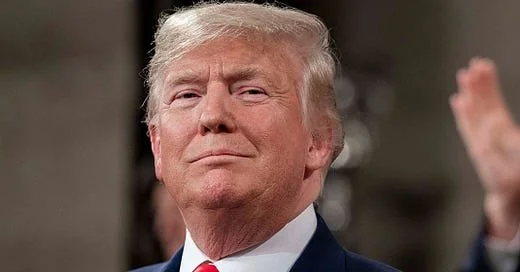
Where is America headed under Trump 2.0?

Eight years ago, he had little real power—just mean tweets. The economy thrived, but thanks to experienced professionals and a functioning administration around him.

Now, in his second run, he is surrounded by extremist loyalists, tech oligarchs, and enablers, ruling through fear, blackmail, and corruption. Yet, many Americans remain unaware of how their new mob boss is exploiting the country’s values. Will they realize that Trump only respects other gangsters—like Putin or Orbán?

Take his U-turn on Ukraine. The U.S. now seems to side with Russia rather than support Ukraine. Negotiations in Saudi Arabia focus on financial gain, not aid. And they don’t even hide it anymore!

Many poorer nations now resent the U.S. after Trump shut down USAID, while wealthier ones resent the U.S. for facing his 25% tariffs. Can America survive four more years of Trump selling off everything and making the World hating the U.S.?

  • Ukraine – Rare metals

  • Gaza – Real estate

  • Taiwan – Chips

  • Greenland – Energy

  • Canada – Land

When will Trump’s administration of unqualified loyalists collapse?

His former trade advisor, Peter Navarro—fresh out of prison—returns to the fold. John Ratcliffe, CIA director, now pushes anti-China rhetoric. JD Vance, Trump’s VP pick, advocates a radical Christian nationalist agenda. Pete Hegseth, a Fox News host with no experience, runs Defense. RFK Jr., a vaccine skeptic, dictates health policy. Oil executive Chris Wright drives energy policy under the "drill, baby, drill" mantra. WWE co-founder Linda McMahon oversees education. NFL veteran Scott Turner heads Housing and Urban Development.

Meanwhile, Trump plans to dismantle federal agencies, abolish the Department of Education, and withdraw from WHO—perhaps even NATO, just to mention a few.

America is at a crossroads, and the silence is deafening.

The world is screaming and no one seems to hear!

Exodus by Richard

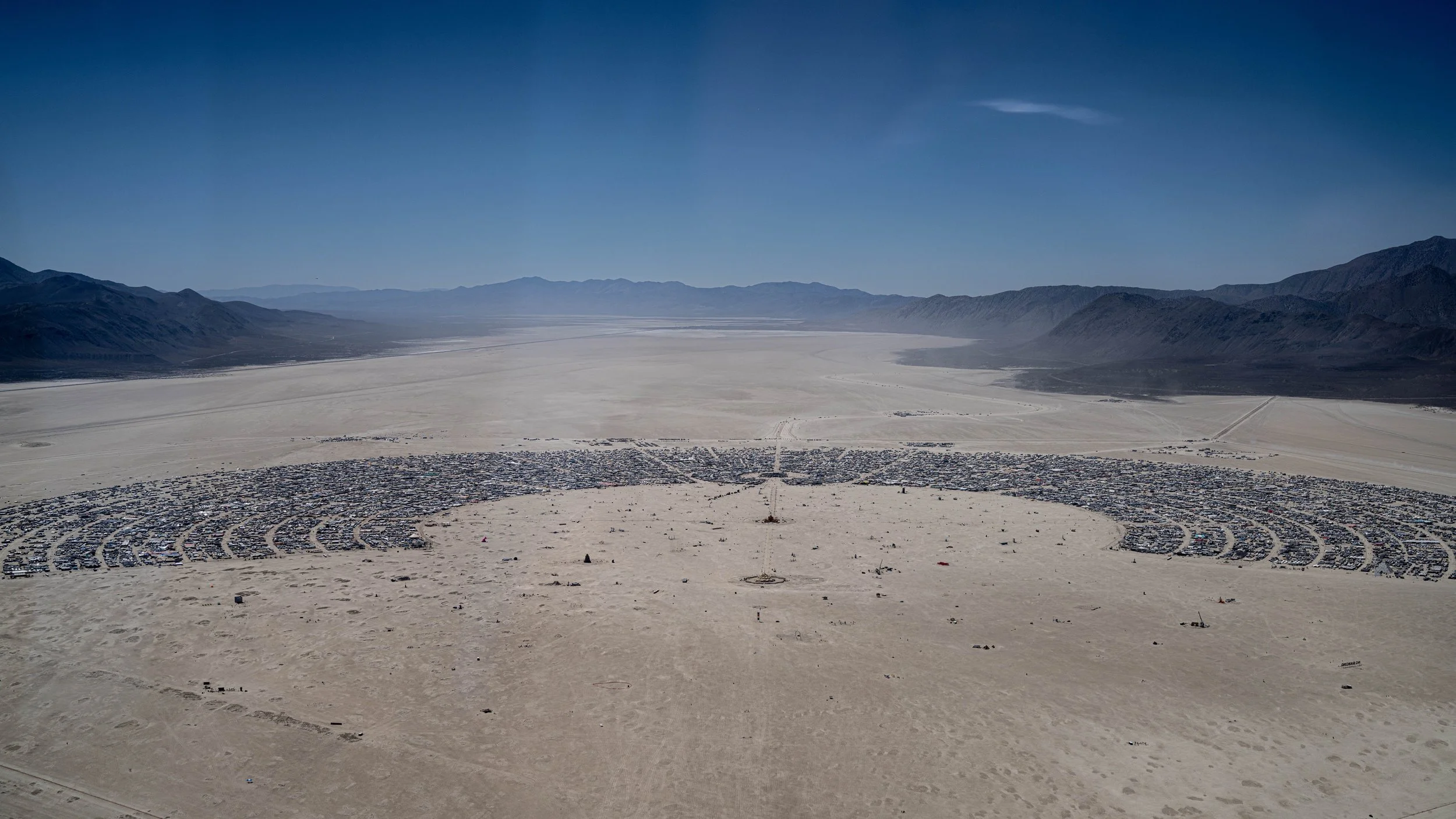
Burning Man burned down to ash, and the Sparkle Pony’s gone for good, and there’s not a damn dime left in BM's bank.

Black Rock City left stripped and empty, broke, too full of dull-eyed tourists who call themselves Virgins now, wandering the playa like a theme park attraction.

I used to believe in it, the magic and the madness, but year by year, the decay spread, and what’s left? No evolution, no pulse, just the ghost of what we built—radical inclusion, gifting, self-expression, communal effort, responsibility—all things once fierce, now faint echoes swallowed by dust.

I’ll miss the grip of the Playa Dust and the Moonwalkers dancing wild, even the WOOKs with their strange laughter and those godforsaken stinking PORTOS.

I healed my Playa foot and the goggles are put away. Maybe it’s time to think about Afrikaburn, see if there’s anything still burning worth a damn and be lekker!

Meanwhile, Black Rock City costs for toilets, medical resources, communications, and government fees increased from $23.3 million to $43.8 million in 2024…

Navigating the Evolving by Richard

In today’s digital era, photographers are compelled to adapt to new media landscapes. Many, for instance, have embraced the trend of crafting square photographs, a format that harmonizes well with platforms like Instagram.

This adaptation also confronts a changing landscape of expectations: some subjects in any street believe their digital likeness commands a price of $10,000 and demand a share, while others might suspect the photographer of espionage, bizarrely questioning like if I am working for the Israeli Mossad or NSA in West Linköping, Sweden…

Reflecting on this, I’m reminded of a photograph I took of a Hasidic Jew in Brooklyn during the 1980s — a shot that would be virtually impossible to capture in today’s climate.

Years ago, in either Malawi or Kenya, I encountered a medical man while taking photos. He insisted on overseeing which images I kept. Although I had to delete many pictures right in front of him, this process opened up an opportunity for meaningful interaction. Subsequently, I ended up capturing the entire village, which turned into a day filled with wonderful encounters and photos.

About four decades ago, a photo friend and I, driven by a spell of boredom, decided to traverse the “slow road” from Gstaad to Lausanne in Switzerland. Armed with a camera and a pack of Pampers, our aim was to photograph people holding an unused Pampers bag. This quirky endeavor led us to an American family on vacation. The father, upon learning our intentions were purely for fun and not commercial gain, displayed a look of utter astonishment when no money woes available.

Once, while photographing a gathering of WHO’s management and ambassadors in Jakarta, I noticed an African King guarded heavily by bodyguards. Undeterred by the intimidating presence, I approached him. He agreed to be photographed, and upon my suggesting he don a national costume, he returned an hour later in regal attire, albeit slightly marred by a flashy $100,000 gold watch. I tactfully suggested that a King need not adhere to the temporal display of time. To my surprise, he removed it, tossing it casually to a bodyguard. The resulting photograph was stunning — capturing his royal essence perfectly. Days later, a bodyguard mentioned it was rare to see the King smile as he did in that photo. It was a testament to the joy and connection we shared during that brief encounter.

Why am I elaborating on this? I believe in engaging with my subjects actively — playing, shouting, flirting — all to capture their true spirit. However, I acknowledge that people today are more cautious and often uncomfortable in front of the camera, which is a pity in this digital world.

As photographers, we adapt. Today, our photographs may be square, but our purpose remains — to capture the fleeting, candid moments of human experience, even with an iPhone.

From Wise to Foolish by Richard

My Misadventures with the Bank that Couldn’t

I was told Wise Europe SA was the answer to my banking and credit card woes, especially since I spend most of my life hopping between airports and dodging the mundane. WISE was the brainchild of two IT guys from Estonia, birthed just over a decade ago. These were the same folks who had a hand in Skype, the marvel that made telecom giants break a sweat. They had the right idea — take on the banks that specialize in “spending your money with slow, tired actions.”

But, oh, how WISE went so wrong! They turned out worse than my old, sluggish bank!

Five or six years ago, I opened an account with WISE. It seemed like a good idea until I realized juggling another credit card and account was a fool’s errand. So, I drained the account and let it gather digital dust. Then came COVID, a few new iPhones, and other life-altering events.

Fast forward to today. New address, new email, new phone number, and a brand-new iPhone. So, I decided to open a fresh account with WISE about a year ago. But the WISE system, in all its wisdom, found two Richards and locked both accounts. Understandable, maybe, but then the real fun began.

I emailed, called, and sent every ID under the sun, including pictures of my stunning 63-year-old mug. Every time, I got a new case manager — ranging from friendly to downright hostile. That’s the crux of the problem — no continuity. Plus, the first-line support is either locked out of the WISE system or just poorly trained. After a year of this circus, my issue remains unresolved.

Every interaction begins with, “But if you log in to your trusted device…” And my reply? “No, I can’t. I don’t have it anymore.” Then they ask for my address or email, and I give the same response. It’s a comedy of errors.

These companies grow too fast, outsourcing their support to some low-level, bargain-basement third party in India or Romania. Poor routines, worse attitudes, and customers start running for the hills.

Picture this: I’m stranded on South Korea’s Jeju Island, trying to rent a car with my WISE card. A year later, the issue’s still not solved. Well, I didn’t rent that car. Not sure a foreigner can anyway. So, I need to buy a plane ticket with my WISE card — NO. I’d probably die on Jeju Island or end up marrying a local.

I’m baffled that WISE’s management lets this happen in the name of profitability and flashy marketing ;)

So, these two Estonian fellows conjured up a beautifully simple multi-currency account that’s still blocked six years later. You’d think they were from Switzerland.

Justice and Greed in the Future by Richard

For years, Justice, the fragile bird fluttering against the winds of time, has been hunted and trapped by the snarling beast of greed. We once naively believed in justice, didn't we? We thought it was a cornerstone, a rock that would remain steadfast against the currents of human vice, wars, and the greed for power. Yet, that stone has been chipped away by the cold, calculating chisels of avarice.

It began with whispers in the halls of power, where Justice, meant to be blind, started peeking under her blindfold for a quick profit. Noble judges became brokers. Laws, once clear, twisted into convoluted contracts that only a lawyer could unravel for a hefty fee. The scales of justice tipped, not under the weight of evidence, but under the weight of gold. Yes, gold like in today's Olympics, can we truly trust the modern games and the legitimacy of gold medal winners?

Corporations, bloated with wealth, began writing regulations, funding campaigns, and lobbying for laws that favored their bottom lines over the welfare of the people. Politicians, the so-called servants of the public, turned into puppets with strings pulled by the rich. Justice was sold to the highest bidder, and we watched, some of us wide-eyed, as greed tightened its grip.

Consider the prisons. They are packed not mainly with the guilty but with the unlucky, the poor, the indispensable. Justice has become a commodity, a privilege of the wealthy. With money, one could buy freedom, even innocence. The rest? They rot away, mere statistics in a system that has forgotten its purpose, as exemplified by the Facebook and Cambridge Analytica scandal, among others.

And what about the environment? The earth has been ransacked, poisoned, and laid bare by those who seek profit at any cost. Justice for our planet is a joke, a punchline in a boardroom full of executives plotting their next big extraction, their next big dividend. The cries of nature, like the cries of the offended, remain unheard, drowned out by the clink of coins and the rustle of dollar bills.

So here we sit, decades later, staring at the ruins of what was once a promise of justice and fairness. Justice, now a ghost, haunts the corridors of our society, a reminder of what we have lost. We traded our souls for iPhone apps, for temporary gains, for the illusion of success. Greed, with its insatiable hunger, has consumed everything in its path, leaving us with hollow institutions and broken dreams.

How can we trust the future? How can we believe tomorrow's promises when today's truths have been bought and sold? We have seen what greed can do, how it can rot the core of our humanity, turn brother against brother, and mock our highest ideals.

Here we stand, at the crossroads, looking back on a road lined with betrayal and blood, and forward to a foggy future. We must ask ourselves, in an unfiltered view of the world, can we ever trust again? Can we ever believe in the purity of justice when it has become so thoroughly corrupted and is run by people like Trump?

The answer, my friend, is not in the stars, save for Mr. Musk and Mr. Bezos, but in our hearts. We must decide if we are content to let greed rule, or if we dare to reclaim justice, to clean the dirt from its wings and let it fly free again.

But how can we achieve this together, especially when everyone around us, including ourselves, tends to act primarily out of self-interest?

OK, this may seem naive and like a cry for help, but we must take action.

Please explain how we can restore justice and fairness now, so we can offer a better future to our children and the planet they will inherit.

Rethinking Urban Living by Richard

In today’s rapidly evolving work culture, people are already finding city life less appealing. Countries like Italy and South Africa could be at the forefront of this change, offering enticing opportunities for remote and digital work, particularly in regions like Tuscany and Cape Town, moreover, both have available but unused solar energy at their disposal, and both countries need future tax incomes.

Tuscany, a jewel in Italy’s crown, is renowned for its captivating villages breathtaking landscapes and healthy food. However, it faces the challenge of a declining population in small villages, predominantly ageing residents. This presents a unique opportunity to revitalize these small communities through remote work.

Simultaneously, Cape Town stands out with its mild climate, perfect for those who prefer warmer temperatures, coupled with its stunning natural beauty and cheap lifestyle in sync with European time zones. This would strengthen Cape Town’s economy, attract investment, and create new jobs badly needed.

Both locales are prime examples of ideal environments for the new trend of hybrid working. This approach reduces the need for daily office commutes and offers a more sustainable and balanced lifestyle.

The main challenge for these governments is to improve its infrastructure, like better fibre networks, clean water, and public transportation. Addressing these will make these regions ideal for remote workers. The good food, clean air, and sunshine is already in place.

Addressing these infrastructural needs is a crucial task that respective governments must carry out but it will be difficult and costly, especially considering both countries complicated relations with bribery.

But at the same time, it would enable a wide range of new professionals, especially those whose work is tied to computers, to lead productive, high-quality lives, free from the stress and health drawbacks of long commutes as well as urban pollution.

Furthermore, Italy and South Africa are uniquely positioned to capitalize on the emerging AI-related workforce. These regions could become hubs for technological innovation, bringing significant tax revenue and economic growth.

An admittedly sidetracked but notable commonality between Tuscany and Cape Town is their affinity for wine production and possibilities for organic farming and sustainable farming practices.

In conclusion, as we embrace the new era of remote work, regions like Tuscany and Cape Town are not just attractive alternatives to city life; they could represent the future of a balanced, productive, and sustainable way of living and working.

Are Italy and South Africa’s governments capable of achieving this opportunity?

The Hidden Costs of the ŌURA Ring: A Cautionary Tale of Modern Business Models by Richard

The ŌURA ring emerges as a notable product in the wellness technology market, offering innovative features and promising a healthier lifestyle. Priced between $350 to $400, its initial cost is seemingly justified. However, the ring’s appeal is tarnished by a business model that raises significant concerns.

Soon maybe the Samsung Galaxy Ring: Everything we know so far

In the first year, users enjoy full access to the ring’s data without extra charges. The real shock comes in the second year when a $75 annual fee is introduced for data access. This practice is alarmingly similar to buying a Mercedes for $60,000 and then being billed $15,000 yearly by Mercedes just to use it. Such a comparison highlights the absurdity of the pricing structure.

This strategy reflects a broader trend in consumer culture. Gone are the days when purchasing a record meant ownership. Nowadays, we’re more likely to rent music through streaming services. The idea of ownership is becoming increasingly rare. Similarly, essential urban living now seemingly requires not just a must-cellphone, must-number and a must-credit card, but also an active presence on social media platforms like Facebook.

In this context, the ŌURA ring is more than a health gadget; it’s a symbol of the evolving consumer landscape where ongoing payments and dependence on digital services become the norm. It raises important questions about consumer rights and the transparency of businesses in the digital age. As such, it serves as a cautionary tale, urging consumers to be vigilant about the long-term financial commitments and dependencies that modern products and services may entail. And above all, let’s not forget our privacy that disappeared a few years ago.

My question is are we, and future generations prepared for these not so new models?

Netanyahu will probaby try to kill the Palestinians and in the same time Israels future. by Richard

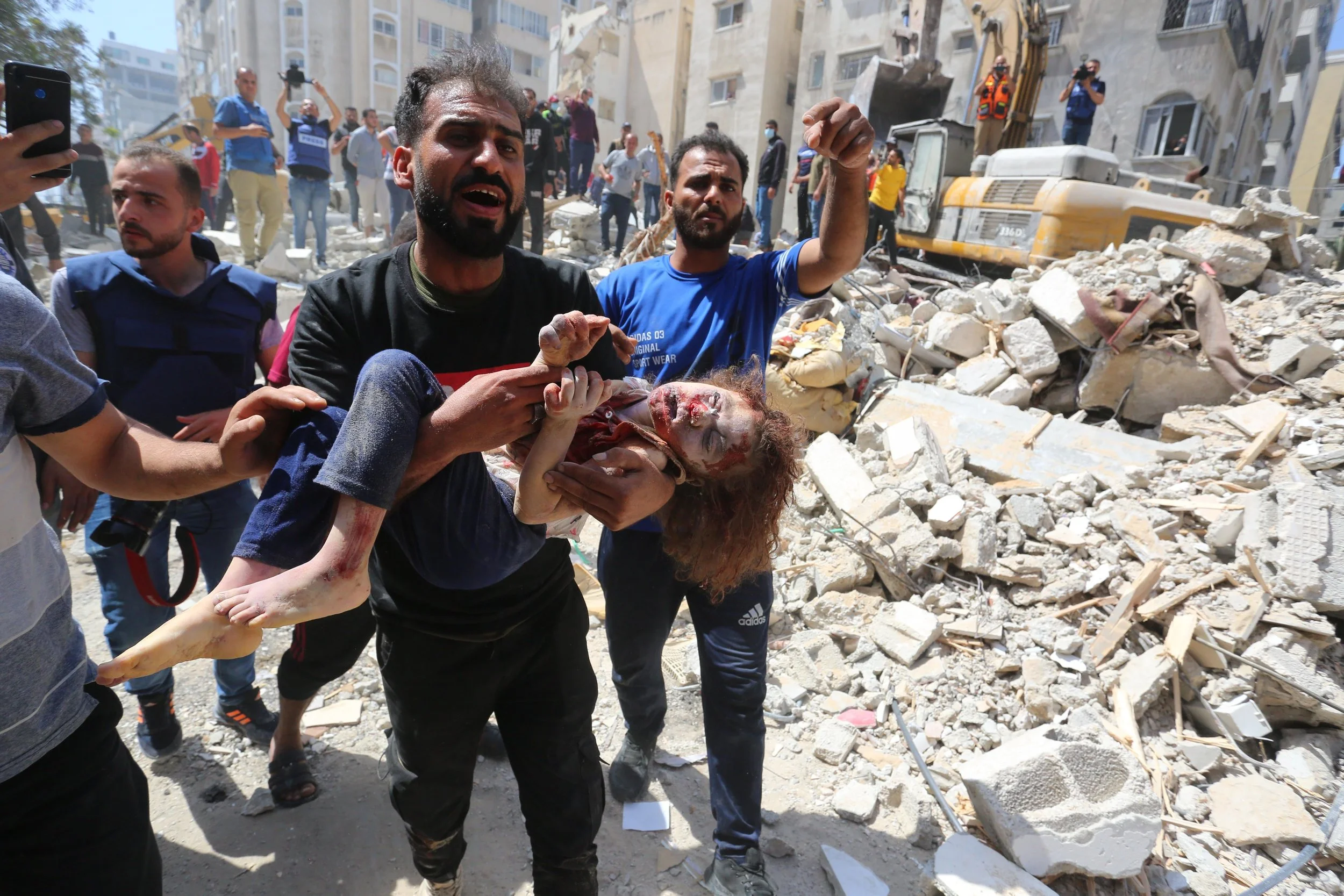
Recent actions by Israel's military, under Prime Minister Benjamin Netanyahu's leadership, particularly in response to Hamas activities on October 6th, but now the world is starting to hate Israel and Judaism again, unfortunately.

Hamas killed the possibility of peace, so is Israel doing now!

Israeli authorities had a detailed 40-page plan, known as “Jericho Wall,” outlining a potential Hamas assault on southern Israeli towns. Interestingly, a significant portion of the Israeli military was concurrently redeployed to the north.

There are claims that Israel indirectly supported Hamas to undermine the broader Palestinian liberation movement. Allegedly, Prime Minister Netanyahu played a direct role in maintaining Hamas's presence, evidenced by permitting Qatari officials to transport cash into Gaza before the attacks on October 7th.

The situation in Gaza is a reflection of a larger pattern of global conflicts, where superpowers often play significant roles. This pattern is evident in various regions, from Iraq and Afghanistan to Ukraine and the broader Middle East, each bearing a unique human cost. At the United Nations, Palestinian representatives have sought recognition of Palestine as a state under occupation. However, this move has faced resistance, notably from Washington.

Statements by Israeli Finance Minister Bezalel Smotrich, particularly his call to "erase" the Palestinian town of Hawara and his denial of Palestinian identity and rights, have added to the controversy. Such extreme views contribute to escalating tensions and exacerbate issues like water allocation – where Israelis receive the majority – and restricted building permits for Palestinians, today less than 1% a stark contrast to the over 90% building permits policies of the 1970s.

The potential succession of Benjamin Netanyahu by figures like Benny Gantz, the former IDF chief and leader of the National Unity party, is notable. Gantz, a lifelong soldier, is primarily experienced in managing the occupation, suggesting that he might continue similar policies. The events of October 7th, marked by extreme views and actions, have further polarized the situation.

But what if all this is Netanyahu's plan how to make Palestinian territory completely uninhabitable, by bombing it back to the Middle Ages? Remember that Hamas is mainly an idea and you will never destroy an idea.

OK, we’re probably too many of us on this blue planet, but must we kill each other in the name of God? Unfortunately, this is the story of two people, two gods and two point of views without a viable solution today?

Israel is undeniably a beautiful country, populated by wonderful people whom I've had the pleasure of visiting and appreciating. Their desire for a compassionate government and a peaceful coexistence with their neighbors is commendable.

However, it's essential to broaden our perspective and acknowledge that issues of indigenous peoples extend beyond Israel. In countries like America, England, and Russia, the annals of world history are replete with examples of strong powers attempting to disintegrate indigenous populations unfortunately.

In conclusion, the complexities of the Gaza Strip and the occupied West Bank extend beyond simple narratives. Terror attacks like the Hamas attacks on October 7th are tragically destructive and undermine regional stability. A resolution requires Israeli initiative and international cooperation to foster lasting peace.

My Note:

And today, December 16, we have protests in Tel Aviv after the Israel's military admitted to accidentally killing three Israel hostages in Gaza in their killing spree.